
📋 Table of Contents
According to the U.S. Department of Energy, water heating is the second largest energy expense in most homes, accounting for roughly 18% of your utility bill. In the Bay Area, we frequently see two-person households maintaining 50-gallon tanks, effectively paying a ‘phantom tax’ on energy they never actually consume.
This water heater sizing guide is designed to help you identify if your current system is an oversized liability. Most homeowners believe ‘bigger is better’ to avoid cold showers, but modern engineering has rendered that logic obsolete. By understanding first hour rating and the physics of standby heat loss, you can reclaim both basement square footage and monthly savings.
Key Takeaways for Bay Area Homeowners
- Oversized tanks lose significant energy through the tank walls, a phenomenon known as standby loss.
- First Hour Rating (FHR) is a more accurate measure of performance than total tank capacity.
- Transitioning to a right-sized Heat Pump Water Heater (HPWH) can access up to $4,900 in local rebates.
- Low-flow fixtures and smart mixing valves allow for smaller, more efficient tanks without sacrificing comfort.
The Hidden Cost of Standby Heat Loss
Every gallon of water you store but don’t use acts as a battery that slowly leaks energy into your garage or closet. This is standby heat loss, and in older, poorly insulated tanks, it can account for 10% to 20% of your total water heating costs.
The real kicker? The larger the tank’s surface area, the faster it loses heat. A 50-gallon tank has significantly more surface area than a 30-gallon tank, meaning you are paying PG&E to keep an extra 20 gallons hot 24 hours a day, even while you sleep or work in Palo Alto. For a typical Bay Area mid-market home where kids have moved out, this is essentially burning money.
- Thermal Efficiency: Modern tanks have better foam insulation, but physics still dictates that more volume equals more loss.
- Energy Factor (UEF): Always check the Uniform Energy Factor; a higher number means less standby waste.
- The ‘Empty Nest’ Penalty: Households that haven’t resized their water heater after family members move out are the biggest victims of standby loss.
Understanding First Hour Rating (FHR) Over Tank Size
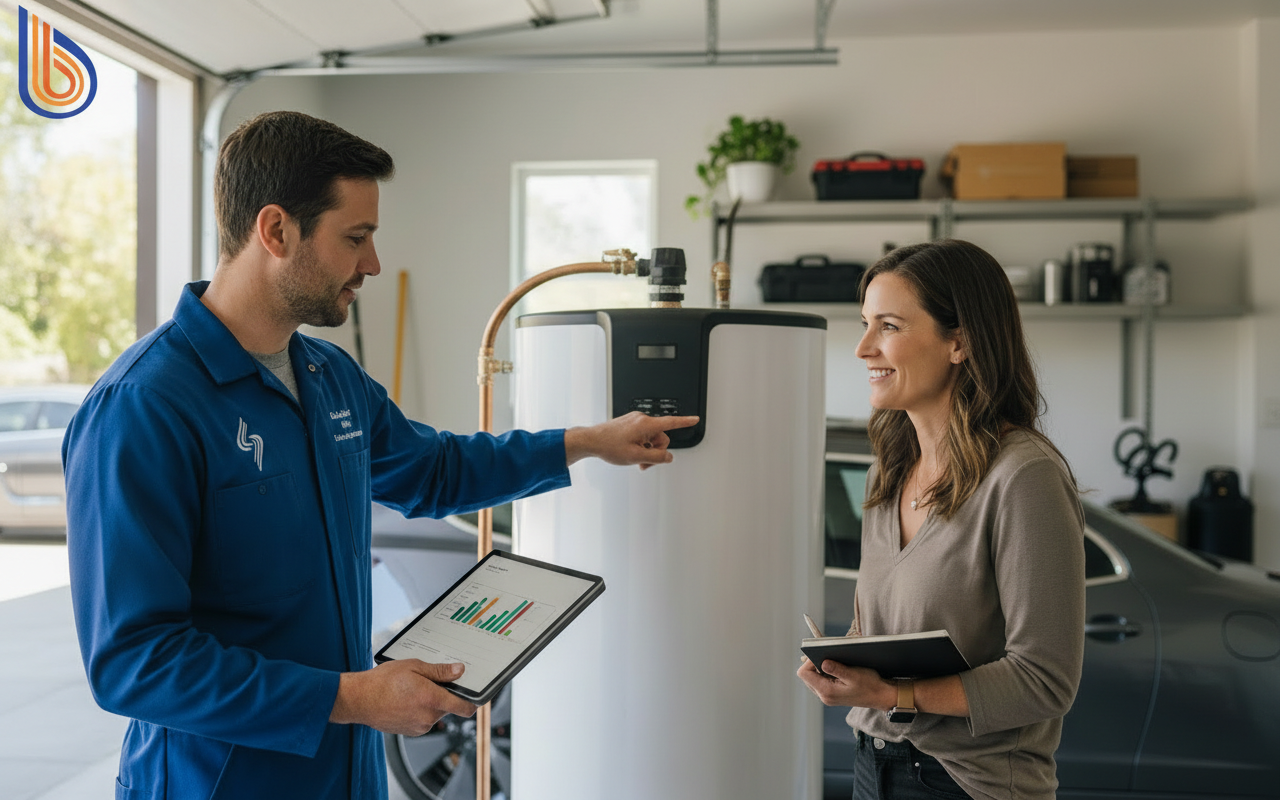
Stop looking at the gallon capacity on the yellow EnergyGuide label and start looking for the First Hour Rating. This metric tells you exactly how much hot water the unit can deliver during a busy hour of usage when starting with a full tank.
Think of FHR as the true performance benchmark. A highly efficient 40-gallon tank with a high recovery rate can often outperform an older 50-gallon tank. When we perform a water heater sizing guide audit for clients in San Jose or Fremont, we calculate peak hour demand based on your specific appliances.
How to Calculate Your Peak Hour Demand
- Shower (12 gallons per person)
- Dishwasher (6 gallons per load)
- Clothes Washer (7 gallons per load)
- Shaving/Sinks (2 gallons per use)
If your peak hour (usually 7:00 AM) requires 45 gallons, you need a unit with an FHR within 2-3 gallons of that number. Buying a unit with an 80-gallon FHR for a 45-gallon need is like buying a semi-truck to commute to a tech campus—it’s overkill and expensive to fuel.
Need a professional eye to run these numbers? Schedule a free right-sizing audit with our specialists today.
The Heat Pump Pivot: Sizing in the Age of Electrification
Heat pump water heaters are the gold standard for efficiency, but they require a different approach to sizing because they heat water more slowly than gas burners. To maximize efficiency, we often recommend a slightly larger, well-insulated tank for heat pumps to act as a buffer during peak times.
However, this doesn’t mean you should go back to the ‘bigger is better’ mindset. Because HPWHs use ambient air to heat water, their standby heat loss is much lower than electric resistance tanks. In our work with environmentally-minded residents in San Mateo, we find that a 50-gallon Heat Pump unit often replaces a 40-gallon gas unit perfectly while slashing carbon footprints.
| Feature | Standard Gas Tank | Heat Pump (HPWH) | Tankless (Electric/Gas) |
|---|---|---|---|
| Standby Loss | Moderate to High | Very Low | None |
| Recovery Speed | Fast | Slow | Instant/Continuous |
| Bay Area Rebates | Minimal | Up to $4,900+ | Up to $1,000 |
Why ‘Bigger’ Can Actually Be Less Healthy
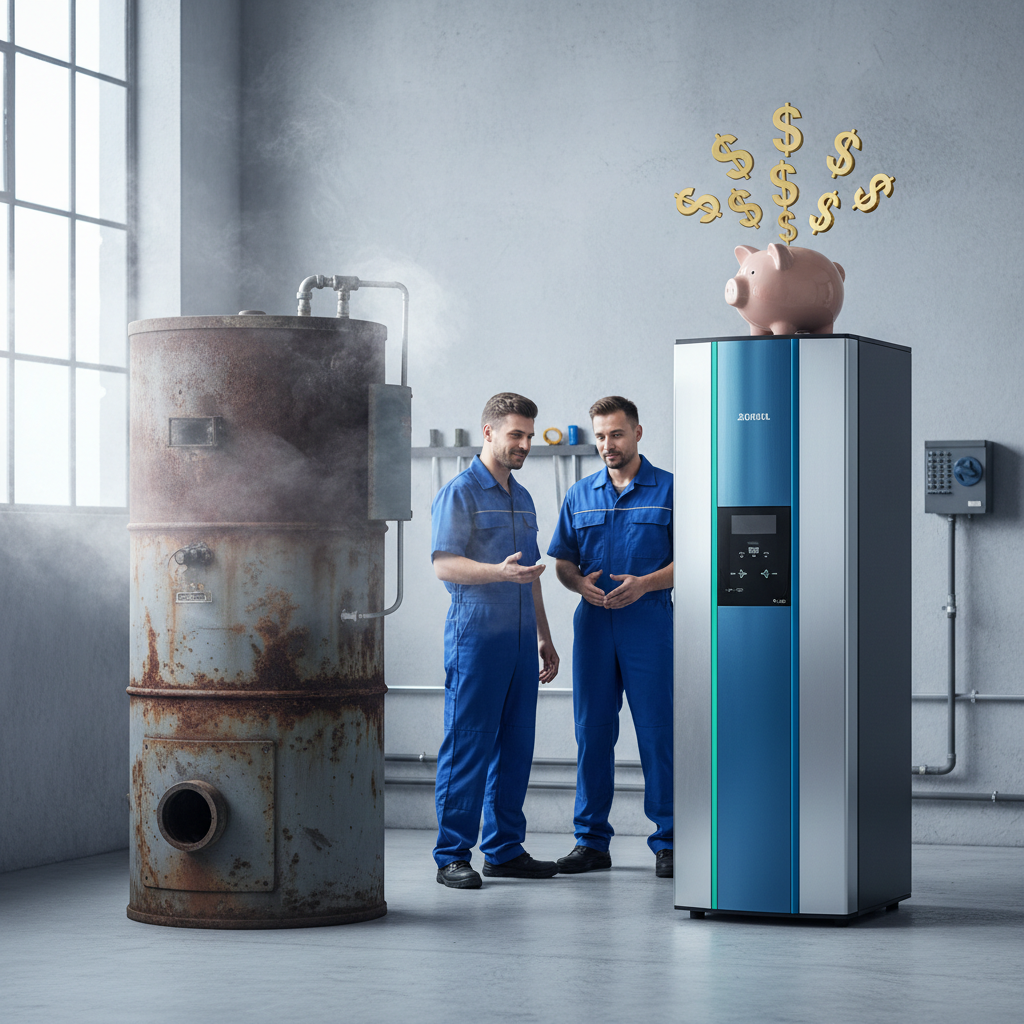
Here is a contrarian insight: oversized tanks aren’t just a financial drain; they can be a health hazard. When water sits stagnant in a large tank for too long because the household doesn’t use the full volume, it encourages sediment buildup and bacterial growth.
What most people miss is that a right-sized tank ensures ‘fresh’ water turnover. In a typical Bay Area mid-market services home, a 50-gallon tank might only cycle its volume once every two days. A right-sized 30 or 40-gallon tank cycles daily, preventing the stagnation that leads to ‘rotten egg’ odors and tank corrosion. Using our internal AI content engine at Ingest.blog to analyze local water quality reports, we’ve found that high-sediment areas like parts of the East Bay benefit significantly from smaller tanks that flush more frequently.
- Sediment Buildup: Excess volume allows minerals to settle, reducing the unit’s lifespan.
- Legionella Risk: Stagnant, lukewarm water in oversized tanks is a breeding ground for bacteria if the temperature isn’t perfectly maintained.
- Structural Weight: A 50-gallon tank weighs over 450 lbs when full; downsizing reduces the load on your home’s structure—critical for seismic safety.
The ROI of Downsizing: Doing the Math
If you’re replacing an aging unit, downsizing to a high-efficiency model isn’t just about the monthly bill; it’s about the total cost of ownership. By reducing standby heat loss, a right-sized Energy Star 5.0 unit can pay for the price difference in as little as 3-4 years.
But wait—what if you have guests occasionally? Instead of buying a massive tank for the 5 days a year your relatives visit, consider a ‘smart mixing valve.’ This allows you to set your tank temperature higher (storing more energy) and mix it with cold water at the outlet. It effectively turns a 40-gallon tank into a 55-gallon performer only when you need it.
Ready to stop overpaying for hot water you never use? Explore Bay Area rebates and see how much you can save on a right-sized system.
Strategic Steps for Your Sizing Audit This Week
You don’t need to be an engineer to start this process. Here is how you can audit your home’s efficiency before Monday morning:
- Check the Label: Find the FHR on your current water heater’s EnergyGuide label.
- Track Your ‘Power Hour’: Note when your family uses the most hot water. Is it three back-to-back showers? Or a dishwasher and laundry run?
- Measure the Footprint: If you’re in a tight San Francisco utility closet, right-sizing could reclaim valuable storage space.
- Consult the Pros: Sizing for heat pumps or tankless conversions requires technical expertise on gas line diameters and electrical panels.
Frequently Asked Questions
How do I know if my water heater is oversized?
If you have a 50-gallon tank but only two people live in your home and you never run out of hot water even during heavy use, your tank is likely oversized. You are paying for unnecessary standby heat loss. A professional water heater sizing guide audit can confirm your actual peak demand versus your storage capacity.
Does a smaller tank mean I’ll run out of hot water?
Not if it is right-sized based on your First Hour Rating (FHR). A modern, high-recovery 40-gallon tank can often provide more hot water in an hour than an old, sediment-filled 50-gallon tank. We focus on performance metrics rather than just volume to ensure your comfort.
What is the most energy-efficient water heater for the Bay Area?
Currently, Heat Pump Water Heaters (HPWH) are the most efficient option for our moderate climate. They offer the lowest operational costs and qualify for massive local and federal rebates. When right-sized, they eliminate the ‘phantom load’ of traditional electric resistance heaters.
How does standby heat loss affect my monthly bill?
In older systems, standby loss can cost between $40 and $80 per year depending on your local utility rates and the tank’s insulation quality. While it sounds small, over the 12-15 year life of a water heater, that is nearly $1,000 spent on water that was never used.
Don’t let an oversized tank drain your budget. At Better Water Heaters, we’ve spent 20 years helping Bay Area families find the perfect balance of comfort and efficiency. Call us at (408) 250-6672 or contact us online for your professional sizing audit today.