
📋 Table of Contents
- 1. Step One: Micro-Climate Calibration and Dew Point Tuning
- 2. Step Two: Infrastructure Insulation and the 24-Hour Thermal Buffer
- 3. Step Three: Smart Scheduling and the Shift to Electrification
- 4. Overcoming the ‘Cold-Start Lag’ in Coastal Zones
- 5. The Honest Truth About Tankless in the Fog
- 6. Navigating Rebates and Local Regulations
- FAQs
According to the U.S. Department of Energy, water heating accounts for nearly 20% of the average home’s energy use, yet most homeowners ignore the impact of Bay Area micro-climates on system performance. Your water heater in the foggy Sunset District faces radically different operational stressors than a unit in the blistering heat of Walnut Creek.
Key Takeaways for Bay Area Homeowners
- Calibration is Local: Dew points in coastal zones like Daly City require specific combustion air adjustments.
- Insulation Matters: Uninsulated crawlspaces in older San Francisco homes lead to massive thermal loss.
- Smart Timing: Aligning heating cycles with Time-of-Use (TOU) rates can save middle-to-upper-income households hundreds annually.
- Future-Proofing: Understanding SB 1414 and upcoming 2027 regulations is vital for property value.
1. Step One: Micro-Climate Calibration and Dew Point Tuning
The first step in our framework is acknowledging that “factory settings” are rarely optimized for the hyper-local humidity of a coastal fog belt. In areas like Pacifica or Daly City, high ambient moisture can lead to excessive condensation in high-efficiency venting systems.
What most people miss is the “Fog-to-Fuel” ratio. When the air is saturated with moisture, your water heater’s atmospheric or direct vent system has to work harder to maintain proper combustion. For localized plumbing maintenance, we recommend adjusting the air intake to prevent moisture from corroding the burner assembly.
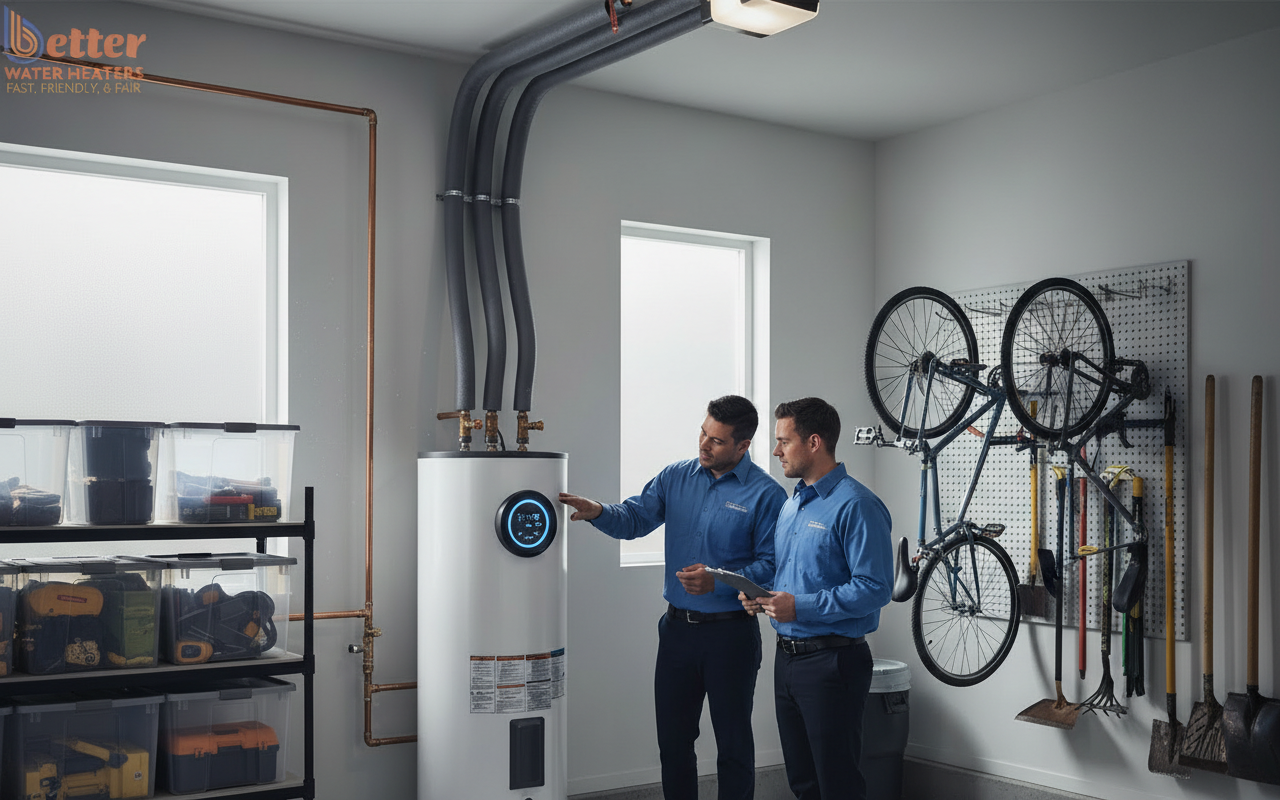
Consider these climate-specific adjustments:
- Coastal Zones (Daly City, Pacifica): Prioritize condensation management and stainless steel venting to combat salt-air corrosion.
- Inland Valleys (Livermore, Concord): Focus on sediment flush frequency due to higher mineral content in harder valley water.
- The Peninsula (San Mateo, Redwood City): Balance temperature settings to handle the 30-degree diurnal temperature swings.
Here’s the thing: a water heater is essentially a giant battery. If the environment around it is damp and cold, that battery leaks energy before the water even hits your showerhead. In our work with established homeowners in the hills, we often find that simply recalibrating the gas valve for local elevation and humidity improves water heater efficiency by up to 8%.
2. Step Two: Infrastructure Insulation and the 24-Hour Thermal Buffer
Strategic insulation is the most undervalued component of Bay Area micro-climates management, especially in homes with uninsulated 1920s-era crawlspaces. The 24-hour thermal buffer strategy involves pre-heating water during warmer daylight hours to mitigate the “cold-start lag” common in uninsulated San Francisco garages.
We often see a typical Bay Area mid-market client lose significant heat through “thermal siphoning” in long pipe runs. By installing high U-Factor insulation ratings on the first six feet of both hot and cold water lines, you create a barrier that keeps the “slug” of water in the pipe from freezing overnight.
| Feature | Coastal (Foggy) | Inland (Hot) |
|---|---|---|
| Venting Needs | Direct Vent / High Condensation | Atmospheric Vent / High Heat |
| Corrosion Risk | High (Salt Air) | Low | R-8 Pipe Wrap | Tank Jacket |
But wait—don’t just wrap everything in fiberglass. In high-humidity areas, improper insulation can actually trap moisture against the tank, leading to premature rust. This is where localized plumbing maintenance becomes an art form; you need breathable, mold-resistant wraps in Pacifica, but high-density foam in San Jose.
Need a professional eye on your setup? Schedule your micro-climate audit with Better Water Heaters today to ensure your system is optimized for your specific ZIP code.
3. Step Three: Smart Scheduling and the Shift to Electrification
The final step involves aligning your system with the reality of California’s energy grid and the Title 24 water heater requirements. With the push toward electrification, many homeowners are transitioning to Hybrid Heat Pump systems. These units are incredibly efficient but require specific “smart scheduling” to avoid high peak-hour costs.
The real kicker? Heat pumps actually act as dehumidifiers. If you live in a damp part of the Bay Area, installing a heat pump water heater in your garage or basement can actually help protect your home’s structure while providing hot water. This dual-benefit is a cornerstone of maximizing water heater efficiency in the region.
To optimize your schedule, consider these steps:
- Set a 2:00 PM Pre-heat: Use solar gain or lower mid-day rates to boost tank temperature.
- Implement a Tankless Cold Start Bypass: If you use a tankless system, a small recirculation loop prevents that “cold water sandwich” during morning showers.
- Leverage Rebates: Access heat pump water heater CA rebates which can often offset the higher upfront cost of these smart systems.
What most people miss is that California’s SB 1414 is rapidly changing the landscape for replacements. By 2027, the transition away from gas will be in full swing. Investing in a smart, grid-resilient electric system now—potentially backed by a home battery—ensures your hot water stays on during PG&E public safety power shutoffs.
4. Overcoming the “Cold-Start Lag” in Coastal Zones
In our work with first-time homebuyers in San Francisco, we frequently encounter the frustration of the “cold-start lag.” This is when it takes minutes for hot water to reach the second floor because the pipes are chilled by the Pacific breeze. The solution isn’t just turning up the thermostat; that’s a recipe for high bills and scalding.
Instead, we recommend a point-of-use recirculation loop. This technology keeps a small amount of water moving, ensuring that Bay Area micro-climates don’t dictate your morning routine. It’s a sophisticated fix that addresses the geographic tension between our beautiful coast and our need for modern comfort.
Ready to upgrade? Check out our guide on tankless options or call us at (408) 250-6672 for a custom estimate.
5. The Honest Truth About Tankless in the Fog
Here is a contrarian insight: Tankless water heaters aren’t always the “best” choice for every Bay Area home. While they are marketed as the pinnacle of water heater efficiency, in extremely high-humidity coastal zones, the sensitive electronics and complex venting can require more frequent localized plumbing maintenance than a robust, well-insulated tank.
If you are a property manager in Daly City, a high-end heat pump might actually offer better long-term ROI than a tankless unit because it handles the ambient moisture better. We believe in transparency over trends—sometimes the “older” tech, upgraded with modern insulation, is the smarter play for your specific micro-climate.
6. Navigating Rebates and Local Regulations
Maximizing your investment means tapping into the BayREN and TECH Clean California incentives. Currently, homeowners can access significant heat pump water heater CA rebates, sometimes totaling over $4,000 when combined with federal tax credits.
Our internal AI content engine, Ingest.blog, helps us stay updated on these rapidly changing local ordinances across all three major counties. Whether you’re dealing with seismic strapping codes in Santa Clara or specific permit requirements in Oakland, our team handles the bureaucracy so you don’t have to.
Don’t leave money on the table. Contact us to find out which rebates apply to your specific city and system type.
Frequently Asked Questions
How do Bay Area micro-climates affect water heater lifespan?
Coastal micro-climates like those in Pacifica or San Francisco introduce salt air and high humidity, which can accelerate exterior corrosion and burner degradation. Conversely, inland areas like San Jose have higher mineral content in the water, leading to faster sediment buildup. Regular localized plumbing maintenance tailored to these factors can extend a unit’s life by 3-5 years.
Are heat pump water heaters effective in foggy areas?
Yes, heat pump water heaters are highly effective in foggy areas. While they pull heat from the ambient air, even “chilly” 50-degree fog contains enough thermal energy for modern units to operate efficiently. Furthermore, they act as a dehumidifier, which is a massive secondary benefit for damp Bay Area garages and basements.
What are the current Title 24 water heater requirements for 2024?
California’s Title 24 currently mandates high-efficiency standards for all new installations, often requiring specific insulation levels and favoring electric heat pump technology in new constructions or major remodels. It also includes strict requirements for localized plumbing maintenance access and seismic bracing to protect against earthquake damage.
Can I get a rebate for switching from gas to electric?
Absolutely. Through programs like TECH Clean California and local utility incentives (like Peninsula Clean Energy or Silicon Valley Clean Energy), Bay Area residents can access thousands of dollars in heat pump water heater CA rebates. These programs are designed to help homeowners meet the state’s 2030 decarbonization goals.
Finish this week strong: Walk into your garage tonight and check the first few feet of your hot water pipe. If it’s bare metal, you’re losing money every minute. Buy some simple R-8 wrap tomorrow, or call Better Water Heaters to handle a full system optimization for you. Your wallet—and the planet—will thank you.