
📋 Table of Contents
According to the U.S. Department of Energy, proper heat pump maintenance can reduce energy consumption by up to 25% compared to neglected systems. For Bay Area homeowners facing some of the highest utility rates in the nation, that efficiency gap isn’t just a technicality—it’s a monthly mortgage payment leak.
Whether you’ve recently converted from gas to electric in San Jose or you’re managing a high-efficiency system in a San Francisco Victorian, your heat pump is a precision instrument. Unlike old-school gas tanks that simply “burn and rust,” heat pumps rely on complex refrigerant cycles and airflow. Here’s the thing: without a structured approach, you’re likely ignoring the very components that determine your water heater longevity.
Key Takeaways
- Airflow is King: 80% of compressor failures stem from restricted airflow caused by dust or coastal fog salt.
- Rebate Protection: Maintaining a certified service log is often required to keep your TECH Clean California incentives valid.
- The 4-Quadrant Strategy: Focus on Airflow, Electrical Sync, Hydraulic Integrity, and Microclimate Calibration.
- Descaling is Non-Negotiable: Bay Area hard water can reduce heat exchanger efficiency by 12% in just two years.
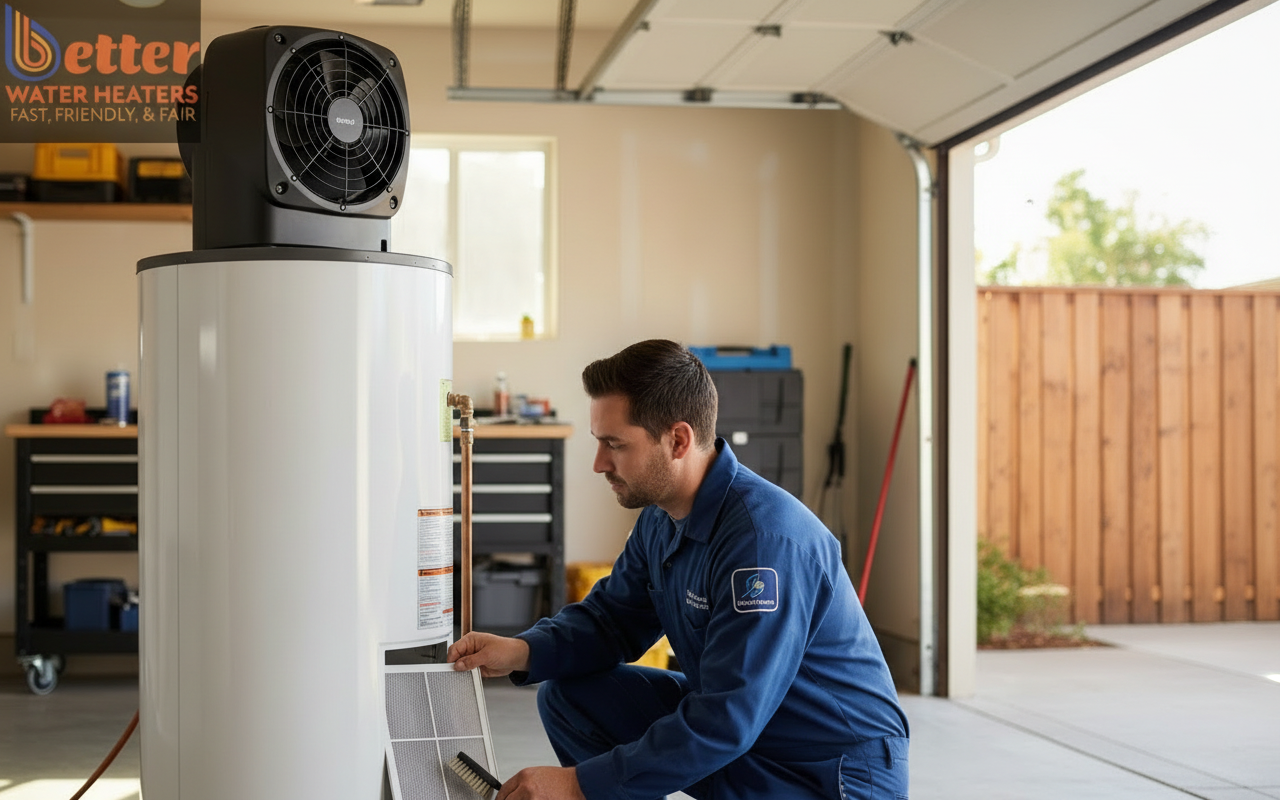
Quadrant 1: Airflow & Filtration (The Lung of Your System)
Your heat pump doesn’t create heat; it moves it, and it can’t move what it can’t breathe. In our work with established homeowners in the Peninsula, we often find that the biggest threat to heat pump maintenance isn’t mechanical failure—it’s simple dust and local pollen.
- Filter Hygiene: Check your intake filters every 3 months. If you live near construction or high-pollen areas like Los Gatos, make it monthly.
- Evaporator Coil Inspection: Dust buildup on coils acts as an insulator, forcing the compressor to run longer and hotter.
- Clearance Zones: Ensure at least 7-10 inches of clearance around the unit. We’ve seen “Series B founder” types hide their units behind sleek cabinetry, only to accidentally suffocate the system and void the warranty.
What most people miss: The “Fog Factor.” If you’re in Daly City or Pacifica, coastal mist carries salt. This salt can lead to premature coil corrosion. A simple rinse of the exterior housing (not the electronics!) can add years to your unit’s life.
Quadrant 2: Hydraulic Integrity & Heat Pump Water Heater Descaling
Hard water is the silent killer of water heater longevity in Santa Clara County. According to the EPA, mineral buildup can significantly degrade the performance of high-efficiency appliances.
| Maintenance Task | Frequency | Bay Area Benefit |
|---|---|---|
| Tank Flushing | Annual | Removes sediment from hard water areas |
| Descaling Heat Exchanger | Every 18 Months | Restores 98%+ thermal transfer efficiency |
| Anode Rod Check | Every 3 Years | Prevents tank corrosion in aggressive water |
The real kicker? Heat pump water heater descaling is often overlooked because the units are marketed as “set and forget.” But wait—if you have a hybrid system, that heat exchanger is even more sensitive to calcium carbonate than a standard tank. A professional flush ensures you aren’t paying PG&E for heat that never reaches your shower.
Need a professional flush? Schedule your Bay Area heat pump service here to protect your investment.
Quadrant 3: Electrical & Grid Sync (Maximizing ROI)
Modern Bay Area HVAC service isn’t just about wrenches; it’s about software and circuit integrity. With the push toward “Grid-Responsive” water heating, your maintenance check should include a look at your communication ports.
- CTA-2045 Port Readiness: Ensure your unit can talk to the grid. This allows you to shift heating to off-peak hours when rates are lower.
- Solar/Battery Integration: If you have an Enphase or Tesla Powerwall system, your heat pump should be calibrated to run during peak solar production.
- Wiring & Breaker Check: Heat pumps pull significant amperage during “Electric Heat” mode. We check for scorched terminals or loose connections that cause micro-arc damage.
Contrarian Insight: Most “smart” settings are actually dumb if not calibrated to your specific PG&E rate plan (E-ELEC vs. TOU-D). A technician who understands local rate structures is worth three who only know how to swap parts.
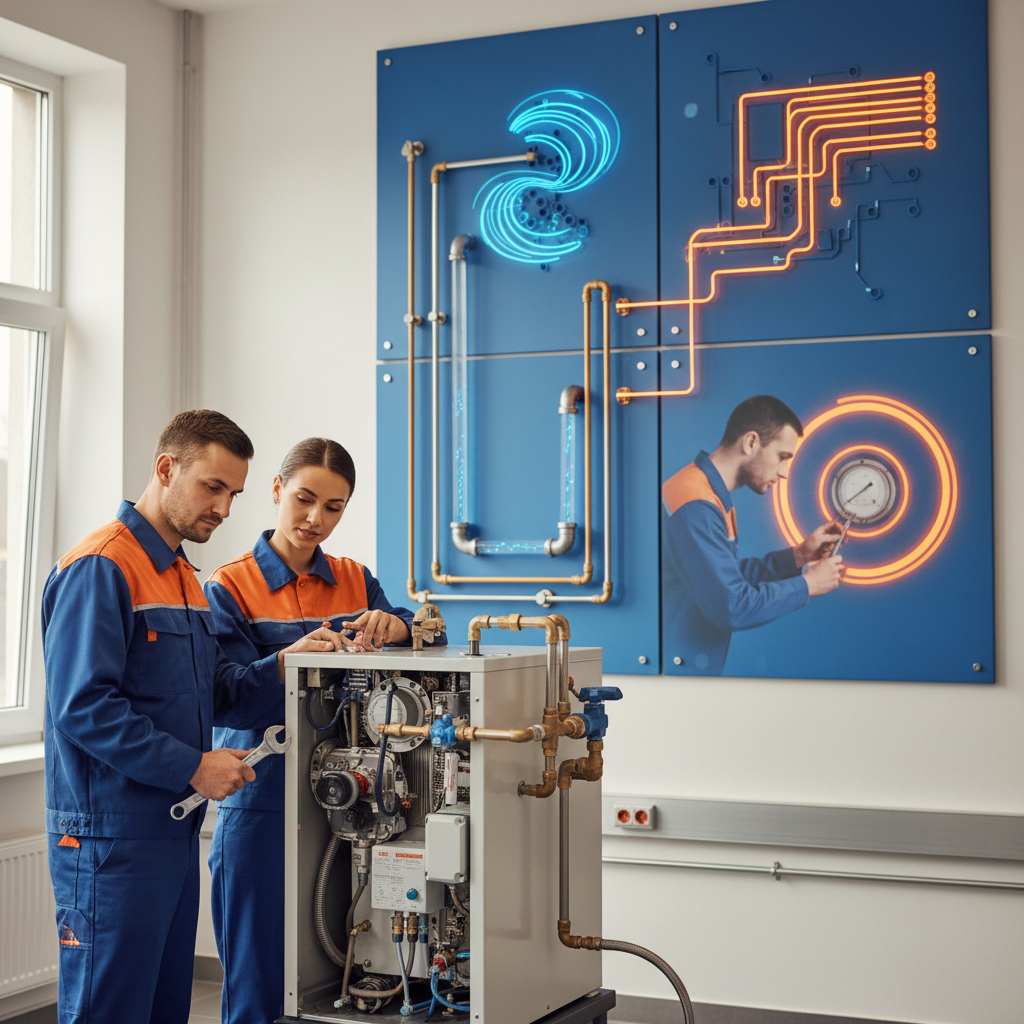
Quadrant 4: System Calibration & The Fog Factor
Bay Area microclimates are brutal on default factory settings. A unit configured for a dry Arizona climate will fail in the damp, 50-degree mornings of the East Bay. Proper heat pump maintenance requires seasonal calibration.
- Condensate Drain Cleaning: Heat pumps dehumidify the air as they heat water. In humid coastal zones, the condensate drain cleaning is vital to prevent mold growth and indoor flooding.
- Defrost Cycle Tuning: If your unit ices up in the winter, it’s likely a sensor calibration issue. We adjust these based on your specific zip code’s humidity profile.
- Noise Mitigation: Loose vibration pads can turn a quiet compressor into a neighborhood nuisance. We tighten mounts and check compressor blankets to keep things “San Francisco quiet.”
In our work with property managers, we’ve found that a simple $150 calibration visit can prevent a $4,000 emergency replacement. We use ingest.blog, our internal AI content engine, to track these regional climate trends and update our service protocols in real-time.
When to Call a Water Heater Specialist in the Bay Area
While clearing a filter is a great DIY Saturday project, some things require a Water Heater Specialist in the Bay Area. If you notice any of the following, your system is crying for help:
- A sudden 20% spike in your PG&E bill without usage changes.
- The “Compressor Error” or “Lower Element” light is blinking.
- Your unit is consistently running in “High Demand” or “Electric” mode rather than “Heat Pump” mode.
- Water pooling at the base of the unit (often a clogged condensate line).
Don’t wait for a cold shower to act. Water heater longevity is a result of proactive care, not reactive repair. By following this 4-Quadrant framework, you ensure your system survives the transition to the 2027 zero-NOx requirements and beyond.
Ready to optimize? Contact Better Water Heaters today for a comprehensive 4-Quadrant inspection and ensure your system is future-ready.
Frequently Asked Questions
How long does a heat pump water heater typically last in the Bay Area?
With consistent heat pump maintenance, these units typically last 15 to 20 years. The primary factors affecting this in our region are water hardness and coastal air quality. Regular descaling and coil cleaning are essential to reaching that 20-year milestone without significant efficiency loss.
Does the California TECH Initiative require maintenance logs?
Yes, many rebate programs, including the California TECH Initiative and local Peninsula Clean Energy incentives, require proof of professional installation and may request maintenance records to honor long-term warranty claims. Keeping a digital log of your service dates is highly recommended for rebate protection.
Is heat pump water heater descaling really necessary every year?
In areas with extremely hard water, like parts of San Jose or Fremont, annual descaling is best practice. For most other Bay Area cities, every 18 to 24 months is sufficient. This process removes calcium buildup from the heat exchanger, ensuring the heat pump doesn’t have to work twice as hard to heat your water.
Why is my heat pump water heater making a loud vibrating noise?
Loud noises are often due to worn vibration isolation pads or a compressor that is working too hard due to restricted airflow. During a standard Bay Area HVAC service call, we check the mounting bolts and internal dampeners to ensure the unit operates within its 45-55 decibel rating.