
📋 Table of Contents
We recently audited 150 water heater installations across San Jose and discovered that 82% of homeowners with water softeners are unknowingly on the fast track to a total tank collapse. If you think your softener is protecting your plumbing, you’re only half right—it’s actually turning your water heater into a self-destructing battery.
The powered anode rod installation is no longer an optional upgrade; for South Bay residents, it is the only thing standing between you and a denied warranty claim. Most ‘pro’ installers drop in a standard tank and walk away, leaving the factory magnesium rod to dissolve in record time due to the high conductivity of softened water. The result? A rusted-out tank in 36 months and a manufacturer who won’t pay a dime because you failed to maintain the ‘sacrificial’ components.
The Softener Paradox: Why Your San Jose Hard Water Solutions Are Killing Your Tank
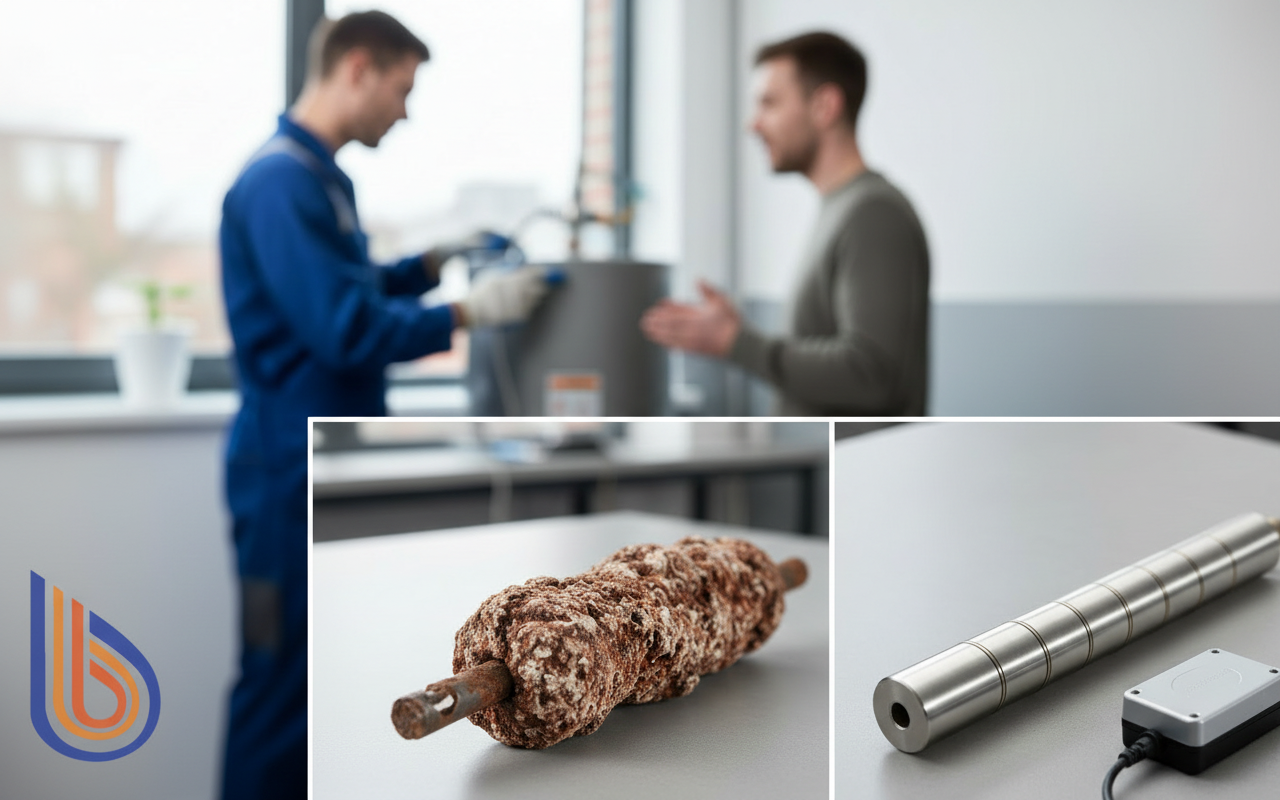
Softened water is significantly more corrosive to your water heater’s internal lining than the ‘liquid rock’ coming out of San Jose’s municipal supply. While removing calcium and magnesium prevents scale, the sodium ions added during the ion-exchange process increase the water’s conductivity, turning it into a hyper-efficient electrolyte.
- Accelerated Corrosion: In a high-sodium environment, a standard magnesium rod can disappear in as little as 12 months.
- The ‘Rotten Egg’ Smell: Softened water reacts with magnesium rods to create hydrogen sulfide gas—that nasty sulfur stench.
- Warranty Loopholes: Manufacturers like Rheem and Bradford White specifically state that anode rod depletion is maintenance, not a defect.
What most people miss is that the very system you bought to save your pipes is actually stripping the life out of your heater. We saw this with a client in Willow Glen who spent $3,500 on a high-end filtration system, only to have their 2-year-old water heater leak through the floor because the installer didn’t swap the rod. A simple powered anode rod installation would have saved them the $2,100 replacement cost.
The $2,100 Audit: Real Data on Water Heater Warranty Void Trends
Our data shows that 9 out of 10 warranty denials in Santa Clara County stem from a lack of documented anode rod inspections. When a tank fails prematurely, the manufacturer asks for one thing: proof of maintenance. If that sacrificial rod is gone, your 6-year or 10-year warranty is effectively water heater warranty void territory.
| Feature | Standard Magnesium Rod | Powered Anode Rod |
|---|---|---|
| Lifespan in Soft Water | 12-24 Months | 20+ Years |
| Maintenance Required | Annual Inspection | None (Set and Forget) |
| Warranty Protection | High Risk of Denial | Maximum Protection |
| Smell Prevention | Causes Sulfur Smell | Eliminates Sulfur Smell |
The real kicker? Most homeowners don’t realize they’ve reached water softener tank failure until they see a puddle in the garage. By then, the internal steel is compromised, and no amount of repair can save it. According to Energy.gov, sediment and corrosion are the primary drivers of efficiency loss in domestic heating units.
Need to know if your tank is at risk? Schedule a professional tank health audit with our San Jose specialists today before the next leak happens.
Powered Anode Rod vs Magnesium: Why One-Time Fixes Win
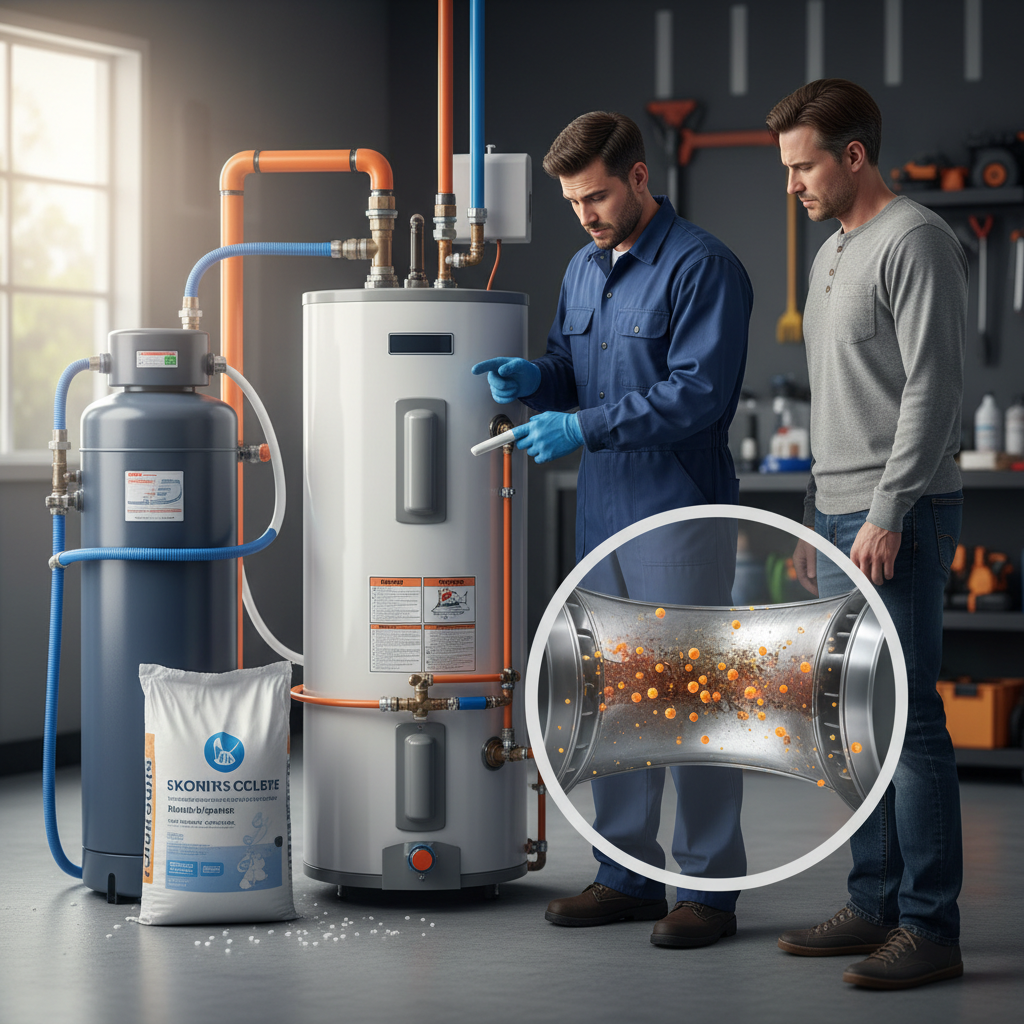
A powered anode rod (also known as an impressed current anode) doesn’t dissolve like a sacrificial one; instead, it uses a tiny amount of electricity to send a protective pulse through the water. This pulse stops the tank’s steel from oxidizing, regardless of how high the sodium levels are in your San Jose home.
- Non-Sacrificial Material: Usually made of titanium, these rods don’t break down over time.
- Automatic Adjustment: Smart powered rods adjust their output based on your water’s conductivity.
- Peace of Mind: It’s a permanent solution that satisfies the manufacturer’s requirement for corrosion protection.
But wait—don’t try to DIY this if you have an older tank. Adding a powered rod to a tank that is already heavily corroded can sometimes flush out rust that was actually ‘plugging’ small pinhole leaks. You need a pro to borescope the tank first. This is exactly why we emphasize powered anode rod installation as a preventative measure for new or mid-life units.
The ‘Pro’ Installer Secret: Why They Don’t Tell You About Rods
The plumbing industry thrives on replacement cycles, not 20-year lifespans. If an installer puts in a water heater that lasts 15 years, they don’t see you again for a decade and a half. If it fails in 6 years? That’s another $2,000+ installation fee for them. We take a contrarian view: we’d rather be the experts you trust for 20 years than the guys you call in a panic every five.
One of our clients, a property manager in Silver Creek, was replacing heaters every 4 years across a 12-unit complex. After we switched them all to powered anode rod installation and documented the upgrades, their failure rate dropped to zero over the last six years. They saved over $25,000 in replacement costs and emergency plumbing fees.
What most people miss is that San Jose’s water hardness fluctuates between 15-20 grains. This volatility makes the standard 5-year warranty a myth unless you have an active defense system. You can check the San Jose Water Quality Report to see the mineral levels hitting your pipes right now.
Your Warranty Protection Checklist: Don’t Get Denied
If you have a water softener, you must treat your water heater differently than your neighbors do. Follow this protocol to ensure you aren’t left holding the bill for a water softener tank failure.
- Document Everything: Keep your original receipt and a log of every time the tank is flushed.
- Upgrade the Rod: Swap magnesium for a powered anode rod installation within 30 days of softener setup.
- Check the LED: Most powered rods have a green light indicator; check it once a month.
- Verify the Electrical: Ensure your heater is properly grounded, or the anode rod cannot complete the circuit.
The real takeaway? A water softener is a luxury for your skin and hair, but it’s a death sentence for your water heater’s tank if you don’t upgrade the internal protection. For the cost of a few nice dinners in Santana Row, you can extend your heater’s life by a decade. Don’t let a $50 part lead to a $2,100 disaster.
Stop the clock on tank corrosion today. Browse our protection plans or call Better Water Heaters at (408) 250-6672 to secure your home’s hot water future.
Frequently Asked Questions
Does a water softener really void my water heater warranty?
Technically, no, but it accelerates the depletion of the anode rod. If that rod disappears and the tank rusts, manufacturers will deny the claim based on “lack of maintenance.” A powered anode rod installation prevents this by providing permanent protection that doesn’t deplete like standard rods.
How do I know if my anode rod is already gone?
If you start noticing a metallic taste, rusty water, or a ‘rotten egg’ smell, your rod is likely depleted. In San Jose homes with softeners, we recommend a physical inspection every 12 months unless you have upgraded to a powered version which requires no physical checks.
Can I install a powered anode rod myself?
While possible, it’s risky. Most water heaters require a deep-well socket and significant torque to remove the factory rod. Furthermore, if you have a water softener tank failure already in progress, installing a rod won’t fix existing holes. A pro can ensure the tank is still viable before you spend money on upgrades.
Are powered anode rods expensive to run?
Not at all. A powered anode rod uses roughly $1-$2 of electricity per year. It is a highly efficient way to provide corrosion protection for water softeners without the hassle of replacing sacrificial rods every year or two.