
📋 Table of Contents
- The Physics of Failure: How Recirculation Destroys Stratification
- Why Your Heat Pump Warranty is Already in Jeopardy
- The $1,900 Comfort Trap: Breaking Down the Costs
- The New School Solution: On-Demand Recirculation
- Retrofit Regret: Why Plumbers Get This Wrong
- How to Save Your Heat Pump Before It’s Too Late
- FAQs
Your plumber just sold you a $1,900 lie wrapped in the promise of ‘luxury’ convenience. If you’ve recently upgraded to a high-efficiency heat pump and kept your traditional hot water recirculation loop running 24/7, you aren’t just wasting energy—you are actively murdering your $4,000 investment from the inside out.
Here is the cold, hard truth: most Bay Area plumbing contractors are still installing 1990s technology on 2025 appliances. We recently visited a homeowner in Los Gatos who couldn’t understand why their brand-new Rheem hybrid system was driving their PG&E bill higher than their old gas unit. The culprit? A standard $200 bronze circulation pump that was forcing the heat pump compressor to run 22 hours a day, effectively causing a heat pump warranty void before the first service interval.
The Physics of Failure: How Recirculation Destroys Stratification
The secret to a heat pump’s efficiency is a phenomenon called thermal stratification, where hot water floats perfectly on top of cold water. When a hot water recirculation loop is constantly pumping, it creates high-velocity turbulence that acts like a giant whisk inside your tank.
- Thermal Stratification Disruption: Constant flow mixes the temperature layers, preventing the heat pump from sensing a clear ‘hot’ zone.
- Compressor Short-Cycling: The system detects a slight temperature drop and kicks the compressor back on dozens of times per hour.
- UEF Rating Degradation: That 3.8 Uniform Energy Factor you paid for? It drops to a 1.2 the moment that pump starts spinning.
- Backup Element Activation: When the compressor can’t keep up with the constant heat loss from the pipes, the expensive electric resistance elements kick in.
What most people miss is that a standard copper pipe loses heat to the surrounding air every second water sits in it. According to Energy.gov, uninsulated recirculation lines can account for more than 30% of a home’s total water heating energy loss. In the Bay Area, where electricity rates are some of the highest in the nation, this ‘convenience’ can add $40-$60 to your monthly bill.
Why Your Heat Pump Warranty is Already in Jeopardy
Manufacturers aren’t stupid; they know that continuous circulation is the leading cause of premature compressor failure. If a technician arrives to find a non-compliant hot water recirculation loop attached to a failed unit, they can deny your claim on the spot.
But wait—it gets worse. Most major brands like Rheem, Bradford White, and AO Smith explicitly state in their installation manuals that continuous recirculation is prohibited. The real kicker? They can track the run-time data on the control board. If the logs show the compressor has been running 90% of the time, they know exactly what you did.
- Check your manual: Look for the section on ‘Recirculation.’ It usually requires a timer or a temperature-based aquastat.
- Identify the pump: If you see a small green or red pump near your heater that is plugged directly into a wall outlet, you are at risk.
- Audit the run-time: Modern smart heat pumps will show you ‘Compressor Hours’ vs. ‘Element Hours.’
Need to know if your current setup is a ticking time bomb? Schedule a professional system audit with our Bay Area experts today.
The $1,900 ‘Comfort’ Trap: Breaking Down the Costs
The instant hot water energy cost is far higher than the initial installation price of the loop. One of our clients, a tech executive in Palo Alto, was told by a general contractor that a continuous loop was ‘standard’ for a home of their size. Six months later, the system’s efficiency had tanked so hard they were paying more for hot water than they were for their Tesla’s charging.
| Feature | Continuous Recirculation | On-Demand Smart Pump |
|---|---|---|
| Annual Energy Cost | $600 – $900 | $50 – $100 | Warranty Status | Likely Voided | Protected | System Lifespan | 5-7 Years | 10-15 Years | Bay Area Rebate Eligible | No | Yes (via TECH Clean CA) |
The contrarian insight here is that ‘instant’ hot water isn’t actually about the pump; it’s about the volume of water held in the pipes. By forcing that water to move 24/7, you are essentially using your entire house’s plumbing as a giant radiator, heating your crawlspace or attic while cooling your water tank.
The ‘New School’ Solution: On-Demand Recirculation
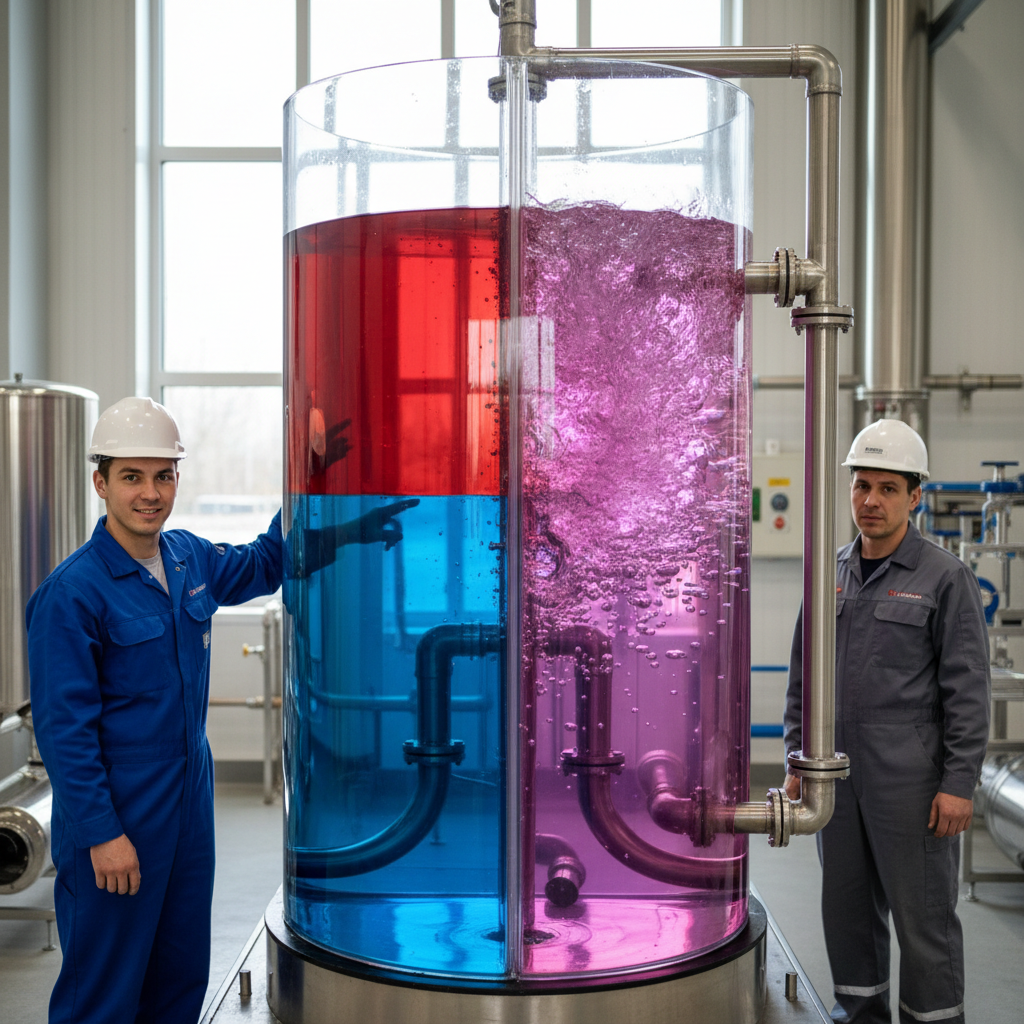
The only way to keep your warranty and your sanity is to switch to a smart, on-demand recirculation pump. These systems only move water when you actually need it, keeping the tank stratified and the compressor happy.
- Push-Button Activation: A small button under the sink triggers a 30-second burst of hot water.
- Motion Sensors: The pump kicks on when you walk into the bathroom, ensuring water is ready by the time you turn the tap.
- Smart Learning: Systems like the Taco SmartPlus learn your habits and only circulate water during your typical shower window.
- Temperature Sensing: The pump shuts off the moment it detects 100°F water at the return line, preventing ‘slugs’ of hot water from entering the cold line.
Here’s the thing: switching to an on-demand system can qualify you for additional Bay Area energy rebates. Programs like TECH Clean California and local CCA incentives are designed to reward true efficiency, not just ‘green’ appliances that are being misused.
Retrofit Regret: Why Plumbers Get This Wrong
Most plumbers are trained in ‘wet’ physics, not ‘electronic’ physics. They understand how to move water, but they don’t always understand the logic boards inside a hybrid water heater. They see a hot water recirculation loop as a standard comfort feature, unaware that it’s the biggest obstacle to home electrification success.
The ‘Cold Water Sandwich’ effect is a common complaint after a bad heat pump install. This happens when the recirculation pump is improperly balanced, causing a burst of hot water followed by a minute of cold, then hot again. This isn’t a heat pump problem; it’s a plumbing geometry problem. We specialize in heat pump retrofits that actually work in the unique architectural footprints of San Jose and San Mateo homes.
How to Save Your Heat Pump Before It’s Too Late
If you already have a recirculation loop, don’t panic—but do act. The first step is to unplug the pump. Yes, you’ll have to wait 45 seconds for hot water tomorrow morning, but you’ll also stop the hybrid water heater compressor short-cycling that is eating your compressor’s life expectancy.
What most people miss is that a simple $50 smart plug and a temperature sensor can often bridge the gap between ‘dumb’ continuous pumping and ‘smart’ demand-based flow. However, for a permanent fix that satisfies Title 24 requirements and protects your 10-year warranty, a dedicated smart controller is the only professional choice.
Ready to stop the ‘Efficiency Killer’ from draining your bank account? Contact Better Water Heaters for a diagnostic visit. We’ll verify your loop’s configuration, check your compressor health, and ensure your system is optimized for the Bay Area’s specific climate and utility rates.
Frequently Asked Questions
Can I use a timer on my hot water recirculation loop?
A timer is better than 24/7 operation, but it still risks a heat pump warranty void if not set correctly. Most manufacturers require an ‘on-demand’ or ‘temperature-actuated’ system. A timer still causes significant thermal stratification disruption during its ‘on’ windows, which can lead to inefficient heating cycles.
How much does an on-demand recirculation pump cost to install?
In the Bay Area, a professional installation of a smart, on-demand pump typically ranges from $800 to $1,400. While this seems high, the instant hot water energy cost savings usually result in a payback period of less than 24 months when compared to a continuous pump running on PG&E rates.
Does a recirculation loop affect the life of a tankless water heater?
Yes, but differently. In tankless systems, continuous flow causes the heat exchanger to fire constantly, leading to premature scale buildup. For heat pumps, the issue is the compressor and the loss of stratification. Both technologies require smart, demand-based controls to reach their advertised lifespans.
Will my heat pump still be efficient without a recirculation loop?
Absolutely. Heat pumps are most efficient when the water in the tank remains still. Without a hot water recirculation loop mixing the water, the heat pump can maintain its high UEF rating and provide consistent hot water while using roughly 70% less energy than a traditional electric tank.
The Bottom Line: Don’t let a $200 part destroy a $4,000 investment. Your ‘instant’ hot water shouldn’t come at the cost of your equipment’s life. Make the switch to smart recirculation and keep your warranty intact.