
📋 Table of Contents
In 2026, a brand-new gas water heater won’t be an asset; it will be a $5,000 line-item deduction on your home’s inspection report. As the gas water heater phase out approaches the 2027 deadline set by the Bay Area Air Quality Management District, savvy buyers are already treating fossil-fuel appliances like asbestos—a liability they’ll have to pay to remove.
Key Takeaways for Bay Area Homeowners
- The $14,200 Hit: This figure combines lost federal tax credits, 10 years of higher utility bills, and the ‘future-proofing’ discount buyers demand.
- Stranded Assets: Installing gas in 2026 means installing technology that will be illegal to replace like-for-like by 2027.
- Real Estate Leverage: Homes with Heat Pump Water Heaters (HPWH) are beginning to command premiums in Peninsula markets like Palo Alto and Menlo Park.
How the Gas Water Heater Phase Out Creates ‘Tech Debt’
Think of your home’s infrastructure like a computer operating system; gas is Windows 95, and the world has moved to the cloud. When you install a gas unit today, you are essentially borrowing against your future home resale value by committing the next owner to an inevitable, expensive retrofit.
What most people miss is that the cost of switching from gas to electric isn’t just the unit itself—it’s the electrical panel upgrades and venting changes. By waiting, you’re forcing a future buyer to take on that ‘Hidden Retrofit Tax.’ In a cooling market, that’s the first thing a buyer’s agent will use to shave $7,000 to $10,000 off an offer. We recently saw a client in Redwood City lose an over-asking bid because the buyer balked at the ‘outdated’ gas infrastructure in an otherwise modern kitchen remodel.
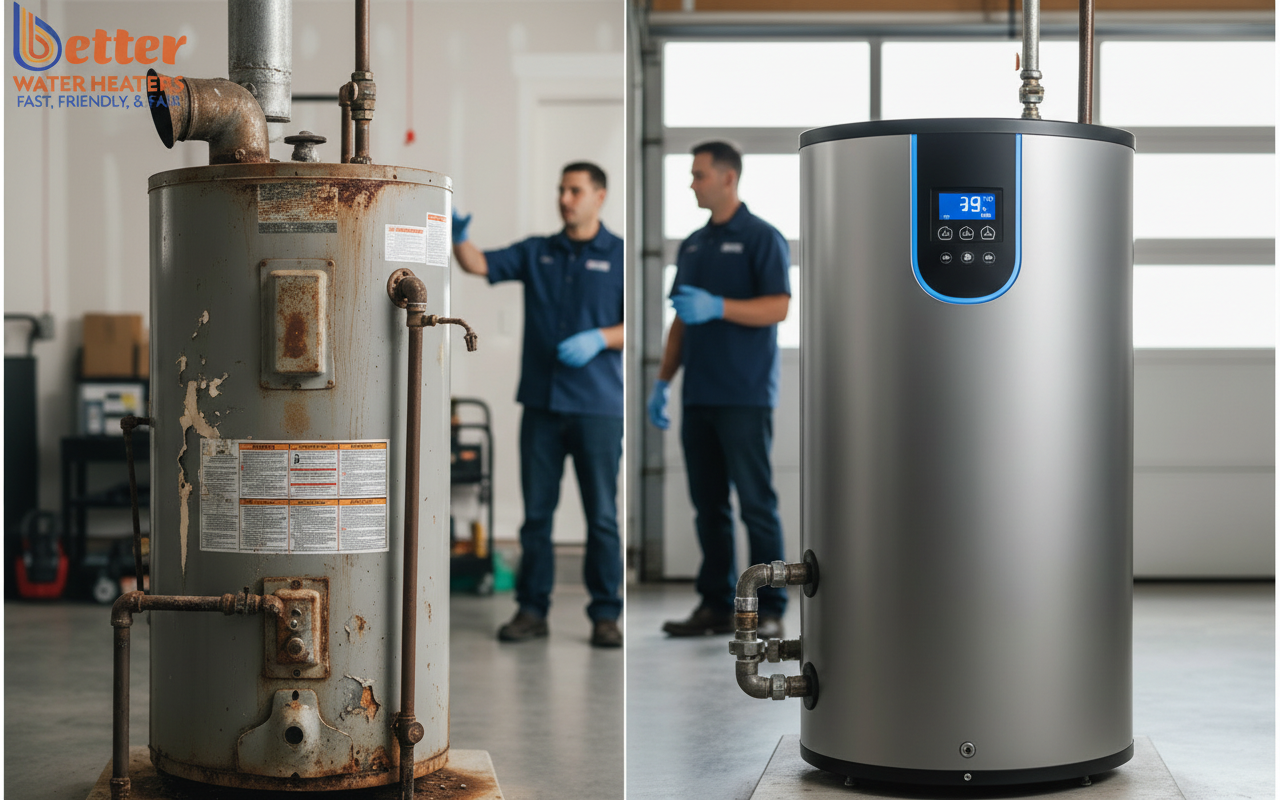
The Math Behind the $14,200 Resale Penalty
The numbers aren’t pulled from thin air; they are a calculated reflection of Bay Area real estate trends and federal policy. Here is how staying with gas actually drains your bank account over a 10-year period:
| Factor | Gas Legacy Cost | Heat Pump Advantage |
|---|---|---|
| Federal Tax Credits (IRA) | $0 | Up to $2,000 |
| Local Bay Area Rebates | $0 | Up to $3,100+ |
| 10-Year Energy Savings | $0 (Baseline) | $4,500 – $6,000 |
| Resale ‘Tech-Debt’ Discount | -$5,000 | +$2,500 (Premium) |
| Total Impact | -$5,000 | +$9,200+ Value |
The real kicker? The gap between these two options is exactly $14,200. According to Energy.gov, heat pump technology is up to 4x more efficient than gas, making the operational savings undeniable as PG&E gas rates continue to climb faster than electricity costs.
Why 2026 is the Most Dangerous Year to Buy Gas
Installing a gas unit in 2026 is a contrarian move that fails because you’re buying at the tail end of a dying supply chain. Once the 2027 ban hits, parts for these ‘legacy’ units will become scarcer, and specialized labor will become more expensive as the industry pivots fully to electrification.
One of our customers, a property manager in San Jose, tried to save $1,500 by installing a standard gas tank in a rental unit last year. When they went to refinance the property, the appraiser noted the ‘non-compliant’ future status of the water heater, affecting the final valuation more than the initial savings. It’s a classic case of stepping over a dollar to pick up a dime.
Need to know if your home is ready for the switch? Schedule a free site assessment with our experts to avoid the legacy trap.
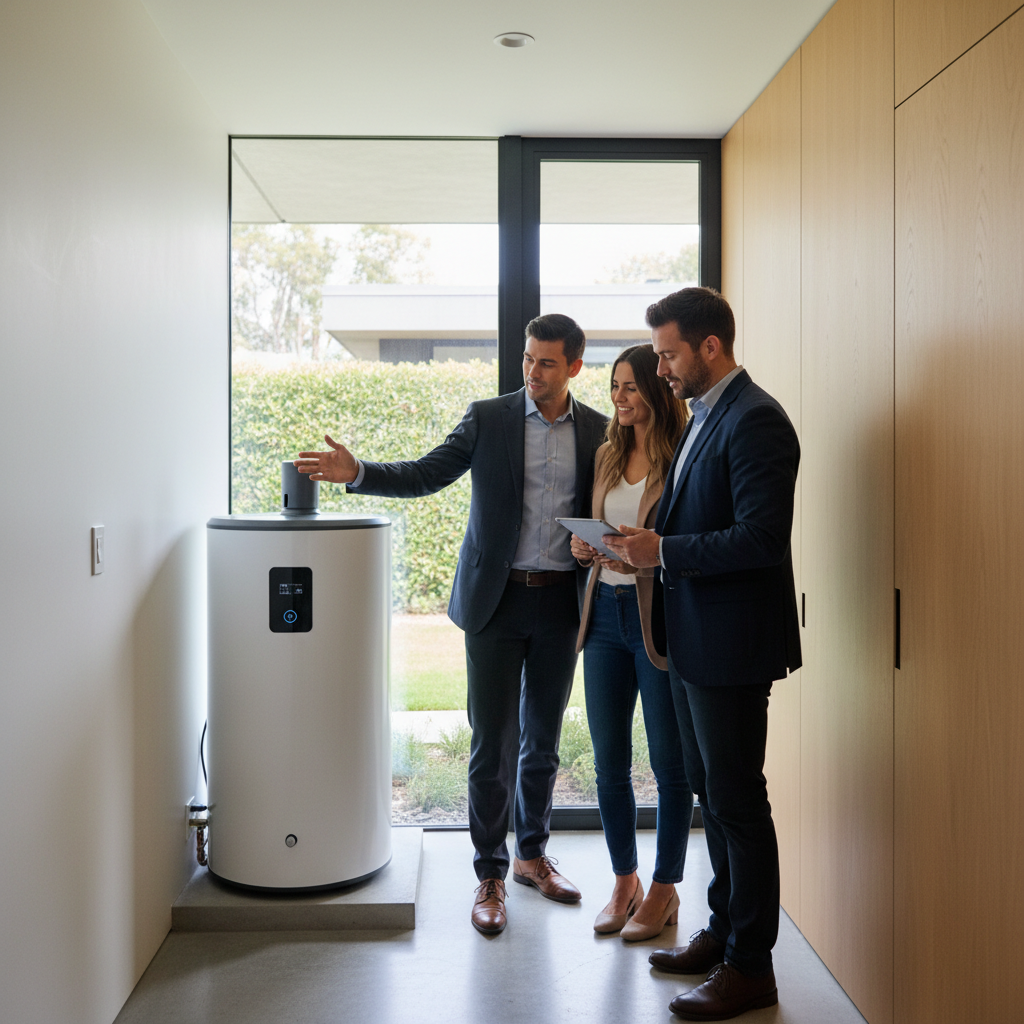
Bay Area Real Estate Trends: The ‘Green’ Appraisal Premium
The shift isn’t just coming from regulators; it’s coming from the buyers moving into Sunnyvale and Mountain View who view stranded gas assets as an environmental and financial red flag. These tech-savvy buyers look for ‘all-electric’ homes to maximize their solar investment and EV charging capabilities.
- Insurance Risks: We are already hearing whispers in the industry that high-efficiency electric homes may eventually see lower homeowners insurance premiums due to the elimination of gas leak risks.
- HERS Ratings: Home Energy Rating System scores are becoming a standard part of high-end listings. A gas water heater is a massive anchor on that score.
- The Hybrid Advantage: Modern heat pumps are seen as a luxury tech upgrade, similar to smart lighting or high-end HVAC systems.
Internal data from our rebate tracking system shows that homeowners who upgrade now are recouping nearly 100% of the installation cost through a combination of immediate incentives and increased equity.
The ‘Hidden Retrofit Tax’ of Waiting Until 2027
If you think waiting until the last minute is a smart strategy, think again. By 2027, every plumber in the Bay Area will be backlogged with mandatory conversions, and the electric conversion costs will skyrocket due to demand. Proactive homeowners are taking advantage of the Inflation Reduction Act plumbing rebates now, while the funds are flush and the labor market is stable.
What most people miss: The electrical infrastructure is the bottleneck. If your panel is maxed out, you need a sub-panel or a service upgrade. Doing this as part of a planned upgrade is a strategic investment; doing it during a 2:00 AM emergency leak in 2027 is a financial disaster.
The Final Verdict: Future-Proof or Fail
The gas water heater phase out isn’t a suggestion; it’s a market shift that is already being priced into Peninsula and South Bay homes. You can either be the homeowner who sells a ‘future-ready’ smart home, or the one who has to cough up a $5,000 credit at the closing table because your water heater belongs in a museum.
Don’t let a $2,000 appliance cause a $14,200 headache. Whether you’re in San Mateo, Fremont, or San Jose, the transition to heat pump technology is the single most effective way to protect your home’s equity this decade.
Ready to maximize your home’s value? Contact Better Water Heaters today to see how much you can save in federal and local rebates before the 2026 rush begins.
Frequently Asked Questions
Does the 2027 ban mean I have to rip out my working gas heater?
No, the regulation applies to the sale of new units. You can keep your existing gas heater until it dies, but after 2027, you won’t be able to buy a gas replacement in the Bay Area. This is why buyers devalue homes with older gas units—they know a mandatory electric conversion is coming.
How much are the total Heat Pump Water Heater incentives in the Bay Area?
Between the federal tax credit ($2,000), TECH Clean California rebates (up to $3,100), and local utility programs from providers like SVCE or Peninsula Clean Energy, some homeowners can offset over $5,000 of the installation cost. These programs are designed to make the switch nearly cost-neutral.
Will a heat pump water heater work in my cold garage?
Absolutely. Heat pumps are designed to extract heat from the surrounding air even in temperatures down to 40°F. In our moderate Bay Area climate, they are exceptionally efficient year-round. We specialize in garage installations that optimize airflow for maximum performance.
Are electric conversion costs higher than just replacing a gas unit?
Initially, yes, because you may need to run a new 240V circuit. However, when you factor in the gas water heater phase out and the fact that you’ll never have to pay for gas venting or pilot light repairs again, the long-term ROI is significantly higher than a standard gas replacement.