
📋 Table of Contents
For homeowners in Marin and Contra Costa counties, a water heater during power outage scenarios is more than a minor inconvenience—it is a critical component of family safety. As PG&E expands its Public Safety Power Shutoff (PSPS) program to mitigate wildfire risks near Mt. Tam and the Diablo Range, understanding how your system reacts to grid instability is essential for long-term reliability.
Key Takeaways for PSPS Preparedness:
- Heat Pumps: Require a dedicated battery backup for heat pump water heater systems to function during outages.
- Tankless Units: Will not ignite without electricity; consider a small UPS (Uninterruptible Power Supply) for the control board.
- Emergency Water: Your storage tank holds 40-50 gallons of potable water that can be accessed during evacuations.
- Post-Outage: Always flush your system after power returns to clear sediment stirred up by pressure fluctuations.
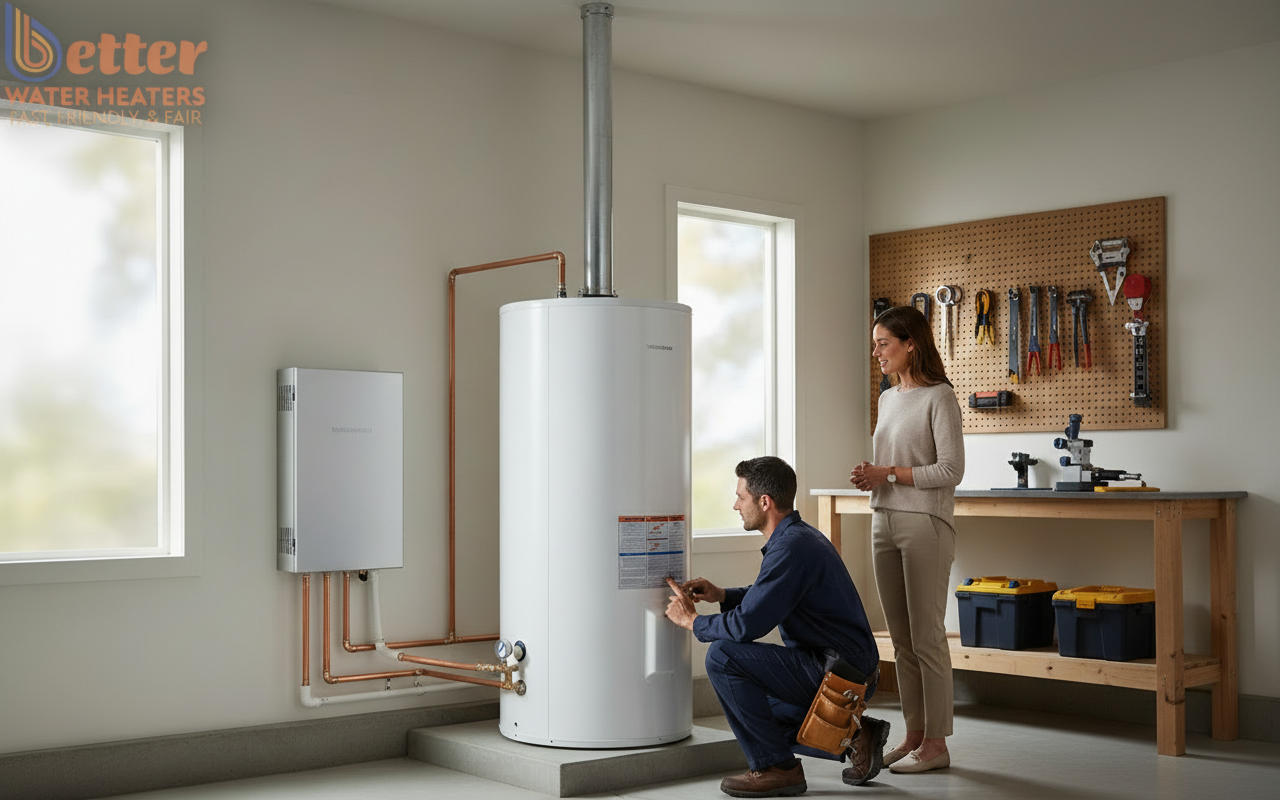
How a Water Heater During Power Outage Varies by Technology
The impact of a PSPS event depends heavily on whether you have a traditional tank, a high-efficiency tankless system, or a modern heat pump. While many Marin residents have transitioned to eco-friendly options, these sophisticated units often have a “hidden vulnerability”: they require electricity to manage sensors and ignition.
Consequently, even gas-powered tankless units will fail to provide PG&E PSPS hot water because their electronic control boards and exhaust fans go dark. Understanding these distinctions allows you to plan effectively before the next Red Flag Warning is issued by the Bay Area Air Quality Management District.
- Standard Gas Tanks: Usually continue to work if they have a standing pilot light, though modern electronic ignition models will not.
- Tankless Gas: Requires roughly 150-200 watts of power to operate the computer and spark the burner.
- Heat Pump (Hybrid): These are essentially large batteries of thermal energy, but they need a 240V battery backup for heat pump water heater support to keep the compressor running.
The Vulnerability of High-Efficiency Control Boards
Sophisticated systems in cities like San Ramon or Novato are susceptible to power surges when the grid is re-energized. We recommend installing a dedicated surge protector at the electrical sub-panel to prevent fried circuits. If you are concerned about your unit’s resilience, you can schedule a professional safety inspection to ensure your system is surge-ready.
Strategic PSPS Preparedness: The Pre-Shutoff Checklist
Preparation is the hallmark of a sophisticated homeowner. Before the winds pick up in the East Bay hills, taking these specific steps can prevent thousands of dollars in repair costs and ensure your family has access to warm water for hygiene.
- Max-Heat Strategy: If a PSPS is announced, turn your water heater temperature up to 140°F (temporarily) to “bank” extra thermal energy in the tank.
- Check Your Battery: Ensure your battery backup for heat pump water heater is fully charged and the transfer switch is operational.
- Locate the Gas Shutoff: Know exactly where your dedicated gas valve is located in case of a local evacuation order.
- Inventory Your Tools: Keep a long-reach lighter and a flathead screwdriver nearby if you have an older unit that requires manual pilot relighting.
| Heater Type | Power Needed? | Backup Solution | PSPS Reliability |
|---|---|---|---|
| Standard Gas Tank | No (if pilot is standing) | None needed | High |
| Tankless Gas | Yes (for ignition) | Small 1500VA UPS | Medium |
| Heat Pump (HPWH) | Yes (240V) | Tesla Powerwall / EcoFlow | Low (without backup) |
Need a customized backup plan for your home? Explore our heat pump installation options designed for California’s unique energy landscape.
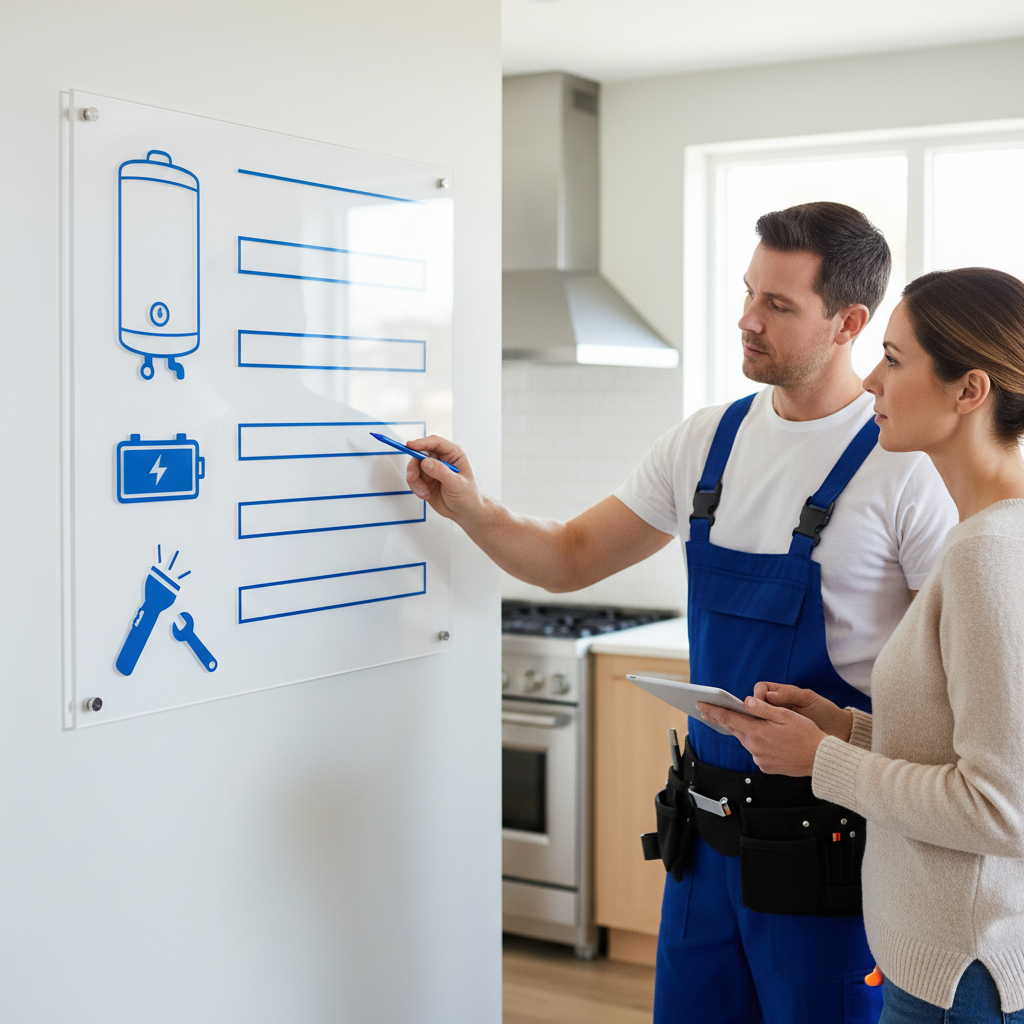
The ‘Hidden Hydration’ Hack: Using Your Tank for Survival
During extreme wildfire events in Contra Costa or Marin, municipal water lines may lose pressure or become contaminated. Your water heater during power outage events acts as a 50-gallon emergency reservoir of clean, potable water. This is a critical survival asset that many homeowners overlook during the stress of a Red Flag Warning.
To access this water safely, you must first turn off the gas or electricity to the unit to prevent the heating elements from burning out if the tank empties. According to Energy.gov, maintaining your tank’s health through annual flushing ensures this water remains free of heavy sediment and bacteria.
- Step 1: Close the cold water intake valve at the top of the heater.
- Step 2: Open a hot water faucet elsewhere in the house to break the vacuum.
- Step 3: Attach a garden hose to the drain valve at the bottom and dispense water into clean containers.
Post-PSPS Maintenance: Protecting Your Investment
Once PG&E restores power to your neighborhood, your job isn’t finished. The process of re-pressurizing municipal lines often dislodges sediment and creates air pockets that can damage high-efficiency components. This is why many Contra Costa emergency plumbing calls peak in the 48 hours following a power restoration.
Furthermore, air trapped in the lines can cause “dry firing” in tankless units, which destroys the heat exchanger instantly. Always run your cold water taps for 5 minutes to clear debris before turning your water heater back to its standard operating mode. If you notice a clicking sound or an error code on your display, you may need a professional diagnostic service to reset the internal sensors.
- Flush the Tank: Clear out sediment that may have settled during low-pressure periods.
- Inspect the Pilot: Ensure the flame is blue and steady; a yellow flame indicates a gas mixture issue.
- Check the Anode Rod: Grid instability can accelerate galvanic corrosion if your rod is already depleted.
Why Marin and Contra Costa Homeowners Trust Better Water Heaters
Navigating the intersection of wildfire safety and home efficiency requires local expertise. At Better Water Heaters, we have spent 20+ years serving the Bay Area, ensuring that our neighbors are never left in the dark—or the cold. Whether you are looking for a battery backup for heat pump water heater or need an emergency replacement after a surge, our team is ready to help.
We understand the specific building codes in San Rafael, the rebate structures in Walnut Creek, and the seismic strapping requirements mandatory across California. Our goal is to provide you with a “future-ready” system that complies with the upcoming 2027 zero-NOx regulations while keeping your family safe today.
Don’t wait for the next Red Flag Warning. Contact us today at (408) 250-6672 for a comprehensive PSPS readiness audit and ensure your hot water stays on when the grid goes off.
Frequently Asked Questions
Can I use a portable generator for my water heater during power outage?
Yes, but with caution. A standard gas water heater with electronic ignition only needs a small amount of power, but a heat pump water heater requires a 240V connection and significant amperage. Always use an inverter generator to provide “clean” power to the sensitive circuit boards found in modern high-efficiency units.
How long will hot water last in a tank during a PSPS?
In a well-insulated tank, water will stay at a usable temperature for 12 to 24 hours if no new cold water is introduced. To maximize this, avoid using hot water for non-essential tasks like dishwashing or laundry immediately after the power goes out in your Marin or Contra Costa home.
Will my tankless water heater work if I have a gas line but no power?
No. Tankless water heaters require electricity to operate the digital control board, the electric ignition, and the exhaust fan. Without a small battery backup or UPS, your tankless unit will not provide PG&E PSPS hot water even if your gas service is uninterrupted.
Is a battery backup for heat pump water heater worth the investment?
For residents in high-risk wildfire zones like Orinda or Mill Valley, it is a vital investment. Beyond PSPS events, these batteries can often be integrated with solar arrays to shift energy usage to off-peak hours, providing both emergency resilience and long-term ROI on your utility bills.