
📋 Table of Contents
Key Takeaways:
- High humidity and coastal salt air accelerate thermocouple oxidation, leading to pilot failure.
- Atmospheric rivers create pressure imbalances that can blow out pilot lights in poorly vented systems.
- Checking your system before the 48-hour storm window can prevent cold shower emergencies.
- Upgrading to electronic ignition eliminates many moisture-related pilot issues.
When the first atmospheric river hits the coast, many homeowners discover a frustrating reality: their water heater pilot light keeps going out just when they need hot water most. In the Bay Area, our unique microclimates—from the heavy fog of Pacifica to the damp winters in San Jose—create a perfect storm for mechanical failure. Understanding the intersection of humidity, salt air, and combustion physics is essential for maintaining a reliable home.
The Science of Humidity: Why Your Water Heater Pilot Light Keeps Going Out
High humidity levels do more than just make the morning air feel heavy; they fundamentally alter the environment inside your water heater’s combustion chamber. When moisture-laden air enters the burner assembly, it can interfere with the delicate balance required to maintain a steady flame. This is particularly common during the “48-hour rule” window—the period immediately preceding a major winter storm when barometric pressure drops rapidly.
Furthermore, moisture can lead to a variety of internal issues:
- Oxygen Displacement: Extremely high humidity can slightly displace the oxygen necessary for a clean, blue pilot flame.
- Condensation Drip: Cold snaps cause condensation to form inside the vent pipe, which can drip down and extinguish the pilot.
- Combustion Air Quality: Damp air is denser and can struggle to flow through the narrow intake screens of modern ultra-low NOx heaters.
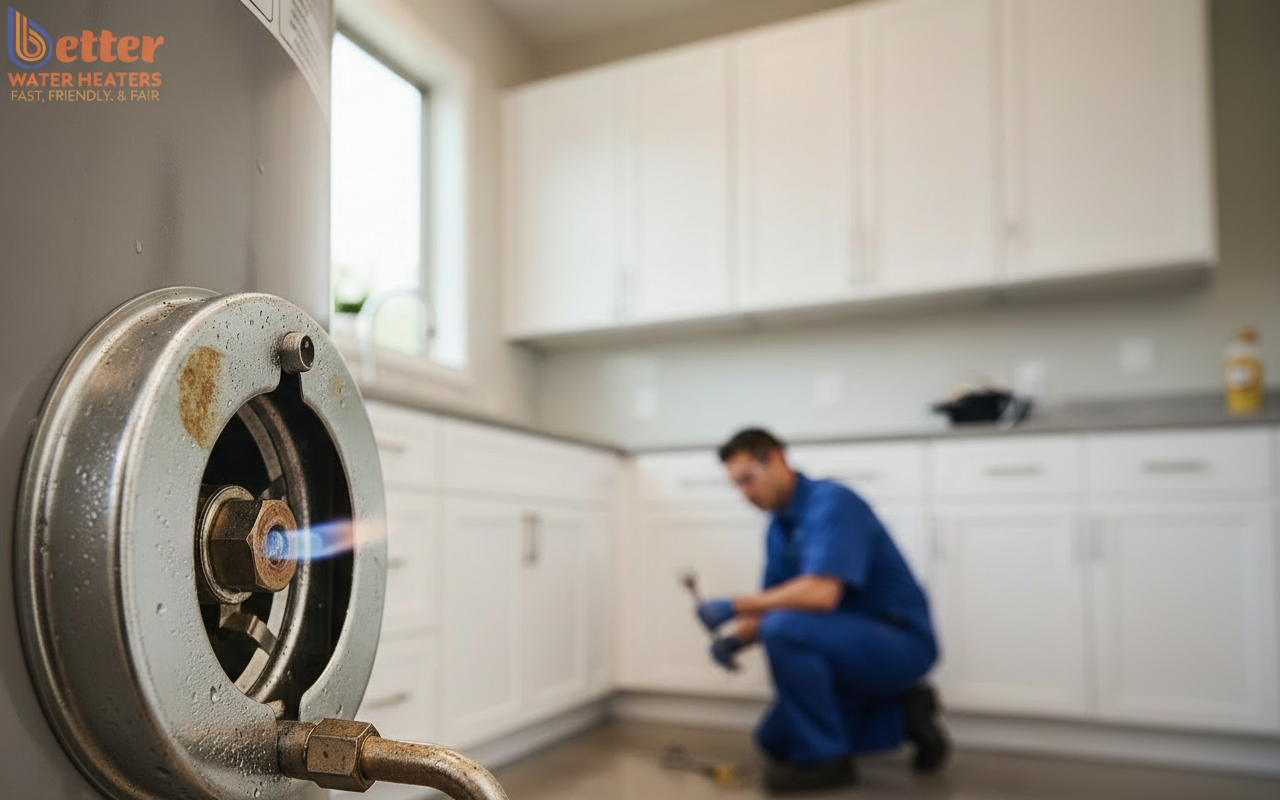
If you find yourself constantly relighting the flame, it is likely more than a fluke. You may need a professional Bay Area water heater repair specialist to inspect your venting and combustion seals. According to the U.S. Department of Energy, proper venting is critical not just for performance, but for preventing dangerous carbon monoxide buildup.
Thermocouple Corrosion: The Bay Area Microclimate Factor
The most common victim of our coastal climate is the thermocouple. This small copper rod acts as a safety sensor, telling the gas valve that a flame is present. In regions with high salt content and winter dampness, such as San Francisco or the Peninsula, thermocouple corrosion humidity becomes a significant factor in system longevity.
How Coastal Air Destroys Sensors
- Oxidation: Moisture reacts with the metal, creating a layer of non-conductive soot and rust.
- Voltage Drop: As corrosion builds, the thermocouple fails to send the necessary millivolts to keep the gas valve open.
- Premature Failure: A sensor that might last 10 years in Arizona may only last 3-5 years in a foggy coastal garage.
Consequently, many residents require a thermocouple replacement Bay Area service much sooner than expected. If your pilot light stays lit while you hold the knob but goes out the moment you release it, corrosion is the likely culprit.
Atmospheric Rivers and Pressure Imbalances
During intense Bay Area storms, atmospheric pressure changes can wreak havoc on traditional atmospheric-vent water heaters. High winds can create a “backdraft” effect, pushing air down the flue and blowing out the pilot. This is why many homeowners report that their pilot light keeps going out in rain or high-wind events.
To mitigate these risks, consider the following water heater winter maintenance steps:
- Inspect the Vent Cap: Ensure your roof’s vent cap isn’t damaged or obstructed, which can worsen backdrafting.
- Clear Debris: Remove leaves and nests from around the external air intake to ensure consistent airflow.
- Check the Shield: Ensure the combustion chamber door is tightly sealed and the viewing glass is intact.
Need a pre-winter inspection? Schedule your free estimate with Better Water Heaters today to ensure your system is storm-ready.
Comparing Pilot Systems: Standard vs. Electronic Ignition
For homeowners tired of the “pilot light struggle,” transitioning to newer technology can provide much-needed peace of mind. Modern systems handle humidity and pressure changes with far greater resilience.
| Feature | Standing Pilot (Older) | Electronic Ignition (Modern) |
|---|---|---|
| Humidity Resistance | Low (Flame can be extinguished) | High (Ignites on demand) |
| Efficiency | Lower (Always burning gas) | Higher (No wasted fuel) |
| Maintenance | Frequent thermocouple cleaning | Occasional sensor wiping |
| Storm Reliability | Prone to blow-outs | Very Stable |
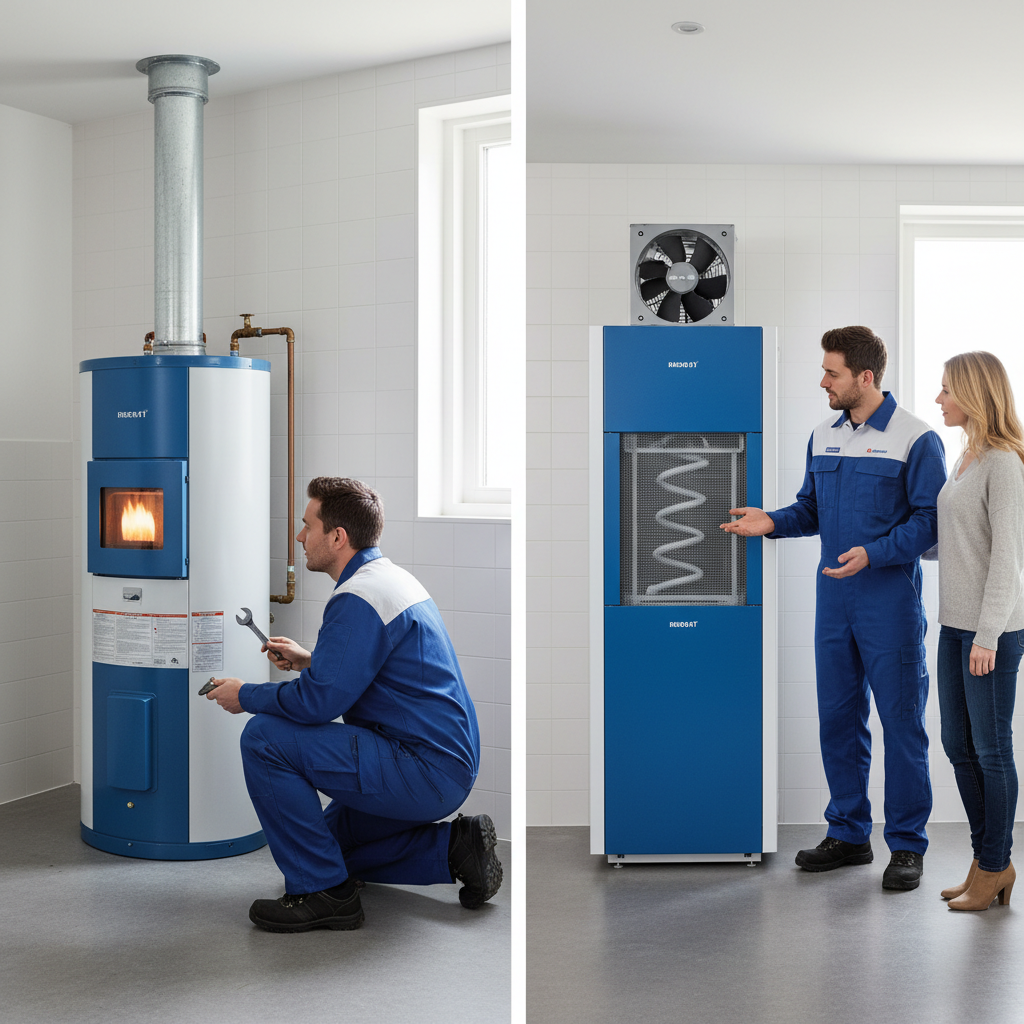
Transitioning to a modern unit, such as a tankless system or a heat pump model, can also help you qualify for significant local incentives. Organizations like The Bay Area Air Quality Management District are increasingly pushing for low-emission technology, and making the switch now can save you thousands in future repair costs and energy bills.
DIY Troubleshooting: Safe Ways to Manage Moisture
If your water heater pilot light keeps going out, there are a few safe steps you can take before calling a professional. However, always remember that gas appliances require extreme caution.
- The Dehumidifier Trick: If your water heater is in a cramped, damp utility closet, running a small dehumidifier nearby can reduce the moisture load on the combustion air.
- Cleaning the Pilot Tube: Use a can of compressed air to gently blow away dust or cobwebs from the pilot assembly (ensure the gas is OFF first).
- The Smell Test: High humidity can sometimes trap odors, mimicking a gas leak. If you smell gas, immediately rotate the valve to ‘OFF’ and call a pro.
While these steps help, they are often temporary fixes for an underlying thermocouple replacement Bay Area need. A professional can calibrate the gas pressure to ensure the flame is strong enough to withstand the dense, winter air of the Santa Clara Valley.
The Future of Bay Area Water Heating: 2027 and Beyond
As we approach the 2027 gas water heater regulations, many Bay Area homeowners are reconsidering their reliance on pilot-light-based systems. High-humidity environments are particularly well-suited for heat pump water heaters, which actually thrive on moisture in the air to transfer heat into the water.
Strategic advantages of upgrading include:
- Eliminating the Pilot: No more relighting flames during rainstorms.
- Rebate Access: Accessing up to $4,900 in local and federal credits.
- Enhanced Safety: Removing the risk of gas leaks or pilot-related CO issues.
Whether you choose to repair your current unit or upgrade to a new system, performing water heater winter maintenance in the fall is the smartest way to avoid the mid-January rush. At Better Water Heaters, we specialize in navigating these local climate challenges to keep your home comfortable year-round.
Don’t wait for the next atmospheric river to leave you with a cold shower. Contact Better Water Heaters at (408) 250-6672 for a comprehensive winter readiness inspection and professional pilot light repair.
Frequently Asked Questions
Why does my pilot light go out specifically when it rains?
When it rains in the Bay Area, atmospheric pressure drops and wind speeds increase. This can cause a downdraft in your vent pipe, literally blowing the small pilot flame out. Additionally, high humidity makes the air heavier, which can lead to poor combustion if your intake screens are partially clogged with dust.
How much does a thermocouple replacement cost in the Bay Area?
A professional thermocouple replacement typically ranges from $150 to $350 depending on the accessibility of your unit and the specific model. While the part itself is inexpensive, the value lies in a professional cleaning the burner assembly and ensuring there are no gas leaks after reassembly—a critical safety step for homeowners.
Can I relight the pilot light myself if it keeps going out?
Yes, most homeowners can safely relight a pilot following the instructions on the side of the tank. However, if the water heater pilot light keeps going out repeatedly, it indicates a failing thermocouple or a venting issue. Continuously relighting a failing unit can lead to small gas accumulations, which is a safety hazard.
Does high humidity affect tankless water heaters differently?
Tankless water heaters use electronic ignition rather than a standing pilot, making them much more resilient to humidity. However, they are sensitive to condensation buildup in their specialized venting systems. Annual maintenance is still required to ensure the condensation drain lines don’t clog during the damp Bay Area winter months.