📋 Table of Contents
Navigating the tension between Hard Water vs. Bay Area Infrastructure is the single most important factor in determining the ROI of your high-efficiency water heating system. While tankless units offer incredible energy savings and space efficiency, the specific mineral chemistry of Northern California water creates a silent threat to your heat exchanger.
Key Takeaways for Bay Area Homeowners
- Geography Matters: South Bay residents face higher mineral content than those on the Hetch Hetchy line, requiring more frequent maintenance.
- Warranty Risk: Manufacturers like Rinnai and Navien often deny $2,500+ heat exchanger replacements if scale buildup is detected.
- Efficiency Loss: Just 1.6mm of scale can reduce heating efficiency by up to 12%, erasing your energy savings.
- Proactive Care: Annual tankless water heater descaling is an investment in longevity, not just a chore.
The Infrastructure Paradox: Why Hetch Hetchy Isn’t ‘Pure’
Furthermore, many San Francisco and Peninsula homeowners believe their water is naturally soft because it originates from the Sierra Nevadas. However, the aging municipal pipe infrastructure often introduces sediment and minerals before the water reaches your tap. This creates a unique challenge for high-efficiency pre-filters and sensitive sensors.
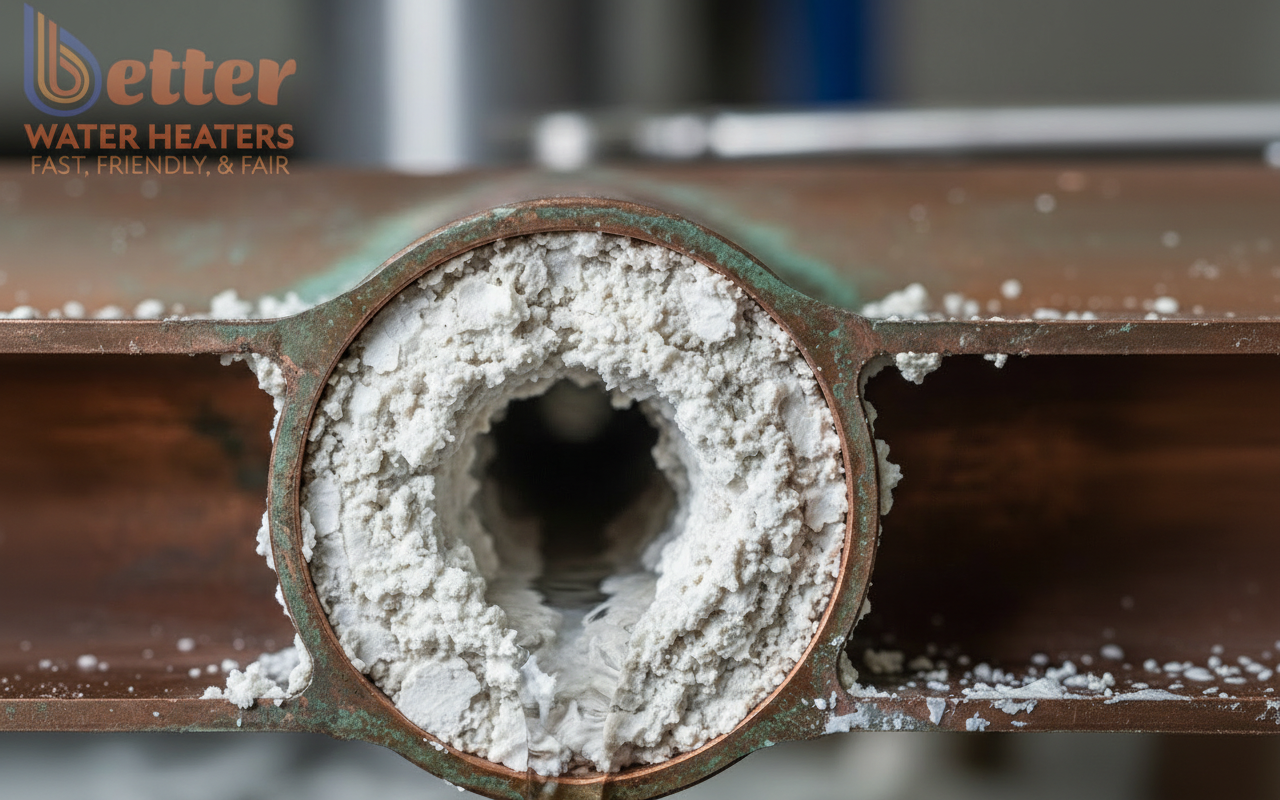
Consequently, even “soft” water areas can experience the ‘Scale-Slayer’ effect. In high-heat environments like a tankless heat exchanger, minerals crystallize rapidly, leading to localized overheating and eventual metal fatigue. This is why tankless heat exchanger cleaning SF remains a critical service even in areas with perceived high water quality.
Hard Water vs. Bay Area Infrastructure: The Regional Hardness Map
Depending on where you live in the Bay Area, your water source varies significantly. According to the SFPUC, water quality fluctuates based on seasonal blending. Below is a breakdown of how local geography dictates your maintenance schedule:
| Region | Primary Water Source | Hardness Level (Grains) | Recommended Flush Frequency |
|---|---|---|---|
| San Francisco / Peninsula | Hetch Hetchy (Surface) | 1 – 4 (Soft/Mod) | Every 18-24 Months |
| East Bay (EBMUD) | Mokelumne River | 2 – 5 (Moderate) | Every 12-18 Months |
| South Bay (San Jose/Sunnyvale) | Local Groundwater Blends | 10 – 20 (Very Hard) | Every 6-12 Months |
As a result of these variations, a “one size fits all” approach to maintenance fails. Residents in San Jose often see a tankless heater error code 11—signaling an ignition failure—simply because scale has insulated the flame sensor.
Why Annual Descaling is Non-Negotiable for Warranty Compliance
Moreover, sophisticated business leaders understand that risk mitigation is key to asset management. Most major manufacturers, including Noritz and Rinnai, explicitly state in their warranty terms that damage caused by scale is not covered. If your heat exchanger fails and a technician finds calcium deposits, you could be looking at a $2,500 out-of-pocket expense.
- Documentation: Keep records of every professional flush to prove compliance to manufacturers.
- Sensor Protection: Scale affects flow sensors and thermistors, leading to inconsistent water temperatures.
- Pitting Prevention: Hard water minerals can cause localized corrosion, known as pitting, which leads to pinhole leaks.
Need to protect your system? Schedule your professional tankless descaling today to ensure your warranty remains valid. Our team specializes in tankless heat exchanger protection for all major brands.
The Hidden Cost of Efficiency: How Scale Targets Heat Exchangers
In addition to warranty concerns, there is the matter of operational efficiency. Tankless water heaters work by forcing water through narrow copper or stainless steel pipes surrounded by intense heat. When Bay Area hard water impacts these surfaces, the minerals settle instantly.
Specifically, the 2024 regulatory environment has pushed for higher efficiency standards, which often means even tighter tolerances within the unit. A small amount of buildup that wouldn’t affect a traditional tank can completely cripple a tankless unit’s ability to transfer heat. This results in the unit running longer and hotter to achieve the same water temperature, significantly shortening its lifespan.
Signs Your Heat Exchanger is Struggling
- Decreasing Flow Rates: Scale narrows the path for water, leading to a noticeable drop in pressure.
- Noisy Operation: Popping or rumbling sounds indicate that water is being trapped behind scale and turning to steam.
- Fluctuating Temperatures: The unit struggles to modulate heat through a layer of mineral insulation.
- Increased Energy Bills: The unit must work harder to penetrate the scale layer, consuming more gas or electricity.
Smart Solutions: Integrating Wi-Fi Alerts and Scale Prevention
Furthermore, the rise of ‘Smart’ home technology has introduced new ways to combat Hard Water vs. Bay Area Infrastructure issues. Modern units from Navien and Rheem now feature Wi-Fi connectivity that can alert homeowners when a flush is due based on actual usage hours. However, these sensors cannot detect the mineral density of your specific tap water.
To truly protect your system, we recommend a multi-layered approach:
- Point-of-Entry Softeners: These remove minerals before they ever reach your appliances.
- Scale Inhibitors: Specialized filters like the ENERGY STAR recommended sequestering systems that prevent minerals from sticking to metal.
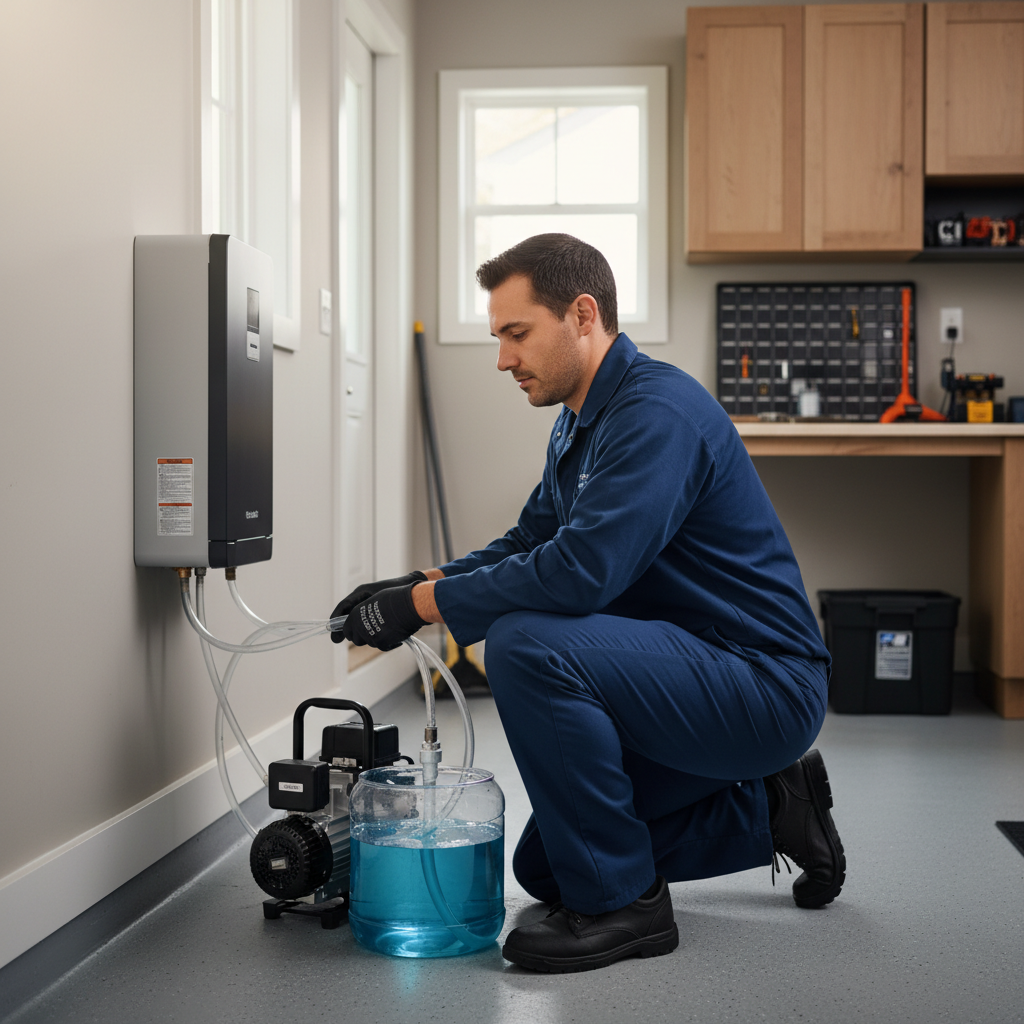
- Professional Flush Kits: Utilizing biodegradable citric acid rather than harsh vinegar, which can be too acidic for some modern gaskets.
Sustainable Scaling: Eco-Friendly Maintenance for San Francisco
Finally, it is important to consider the environmental impact of maintenance. In San Francisco, sensitive drainage systems require careful handling of chemicals. At Better Water Heaters, we utilize eco-friendly, food-grade descaling solutions that effectively dissolve calcium without introducing toxins into the Bay Area watershed.
By choosing a professional service, you ensure that the descaling process is thorough. A DIY tankless flush kit San Jose might seem cost-effective, but without the proper pump pressure and solution concentration, you may only remove 20% of the buildup, leaving the most dangerous deposits deep inside the exchanger.
Ready to extend the life of your water heater? Contact Better Water Heaters for a comprehensive system health check and professional descaling. Don’t let hard water dictate the lifespan of your $5,000 investment.
Frequently Asked Questions
How often should I perform tankless water heater descaling in the Bay Area?
For most Bay Area residents, an annual flush is the gold standard. However, if you live in high-hardness areas like San Jose or parts of the East Bay, you may require service every 6 to 9 months. Conversely, residents in San Francisco on the Hetch Hetchy line can often stretch this to every 18 months, provided they have a pre-filter installed.
Will hard water damage really void my tankless water heater warranty?
Yes. Almost every major manufacturer, including Rinnai, Navien, and Noritz, includes a clause stating that scale-related failures are not covered under the limited warranty. This is why maintaining professional service records is vital for homeowners. If a heat exchanger fails due to pitting caused by scale, the replacement cost is typically the owner’s responsibility.
Is citric acid better than vinegar for cleaning a tankless heat exchanger?
While white vinegar is a common DIY solution, professional-grade citric acid is generally preferred for modern high-efficiency units. Vinegar can be more abrasive on certain rubber gaskets and seals over time. Citric acid is more effective at breaking down tough calcium carbonate deposits while remaining safe for the internal components and the environment.
What is the ‘Scale-Slayer’ effect in Silicon Valley?
The ‘Scale-Slayer’ effect refers to the accelerated rate of mineral calcification in the South Bay due to the combination of high mineral content in local well-water blends and the high operating temperatures of tankless units. This combination causes scale to bond more aggressively to the heat exchanger walls, requiring specialized high-pressure pumping to remove effectively.