
📋 Table of Contents
Finding the best water heater for large families in the Bay Area has become increasingly complex as multi-generational living becomes the new standard. Whether you are housing adult children in a ‘boomerang’ scenario or building an Accessory Dwelling Unit (ADU) for aging parents, your hot water demand is likely at an all-time high.
Key Takeaways for Bay Area Homeowners:
- Peak hour demand is the most critical metric for households with 5+ people.
- Heat pump water heaters offer the highest ROI through Bay Area electrification rebates.
- ADUs often benefit from dedicated tankless solutions rather than sharing the main house system.
- Recovery rates determine if the fourth person in line gets a cold shower.
Understanding Peak Hour Demand in Multi-Generational Homes
The best water heater for large families isn’t just about the size of the tank; it is about how much hot water the system can deliver during your busiest hour. In a typical San Jose or Redwood City home, this ‘peak hour’ usually occurs between 6:30 AM and 8:30 AM when multiple showers, dishwashers, and laundry cycles run simultaneously.
To calculate your needs, consider these common Bay Area usage factors:
- Shower Usage: 10-12 gallons per 10-minute shower (with low-flow heads).
- Appliances: 3-5 gallons per dishwasher cycle; 15-20 gallons for older clothes washers.
- Simultaneous Draws: The number of fixtures running at the exact same time.
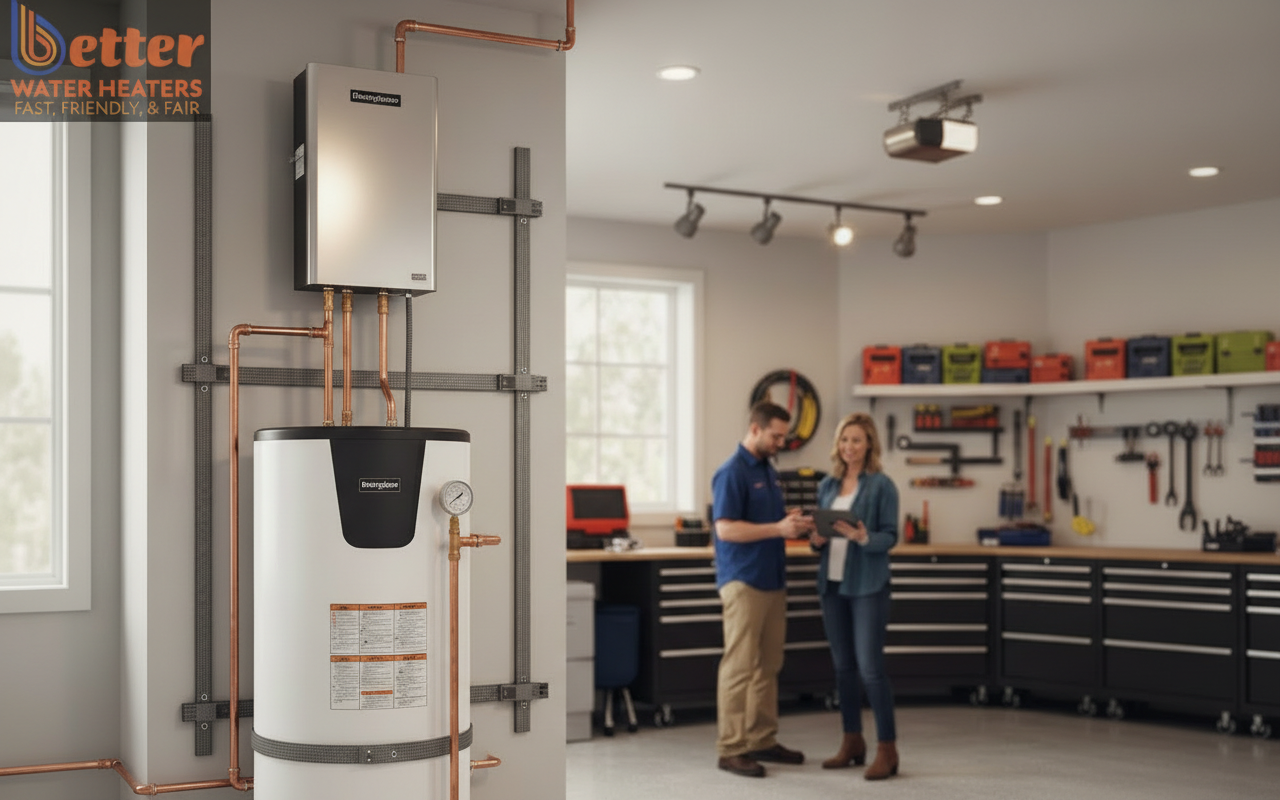
The Water Heater Sizing Guide for 5+ Residents
According to Energy.gov, a traditional 50-gallon tank may struggle to support a household of six. For larger families, we typically recommend a 65-gallon or 80-gallon high-efficiency tank, or a tankless system with a high Gallons Per Minute (GPM) rating.
Strategic sizing involves looking at two specific metrics:
- First Hour Rating (FHR): For tanks, this is the total amount of hot water the heater can supply in one hour.
- Flow Rate (GPM): For tankless, this is how many fixtures can run at once without losing temperature.
Why Tankless is Often the Best Water Heater for Large Families
When searching for the best water heater for large families, tankless technology often wins because it provides an endless supply of hot water. In a home with three generations, the ‘endless’ factor eliminates the morning rush conflict entirely.
However, tankless water heater sizing for 5+ people requires professional calculation of the incoming water temperature. In the Bay Area, our groundwater is relatively temperate, allowing a high-quality Navien or Rinnai unit to support 3-4 showers simultaneously.
- Space Savings: Wall-mounted units free up floor space in crowded garages.
- Longevity: Tankless units last 20+ years, nearly double a standard tank.
- Efficiency: They only heat water when you need it, which is vital given rising utility costs.
Need help determining your GPM requirements? Schedule a free sizing consultation with our Bay Area experts today.
The Multi-Gen Challenge: Hot Water Capacity for ADUs
The rise of Accessory Dwelling Units (ADUs) in cities like Sunnyvale and Fremont has created a new plumbing debate: should the ADU share the main house water heater or have its own? Providing adequate hot water capacity for ADUs usually requires a dedicated system to maintain pressure and temperature consistency.
Consider these ADU-specific strategies:
- Dedicated Tankless: A small, dedicated tankless unit for the ADU prevents ‘stealing’ hot water from the main house.
- Point-of-Use Heaters: Ideal for remote bathrooms or kitchenettes in converted basements.
- Hybrid Approach: Using a main heat pump tank with a tankless booster for the furthest fixtures.
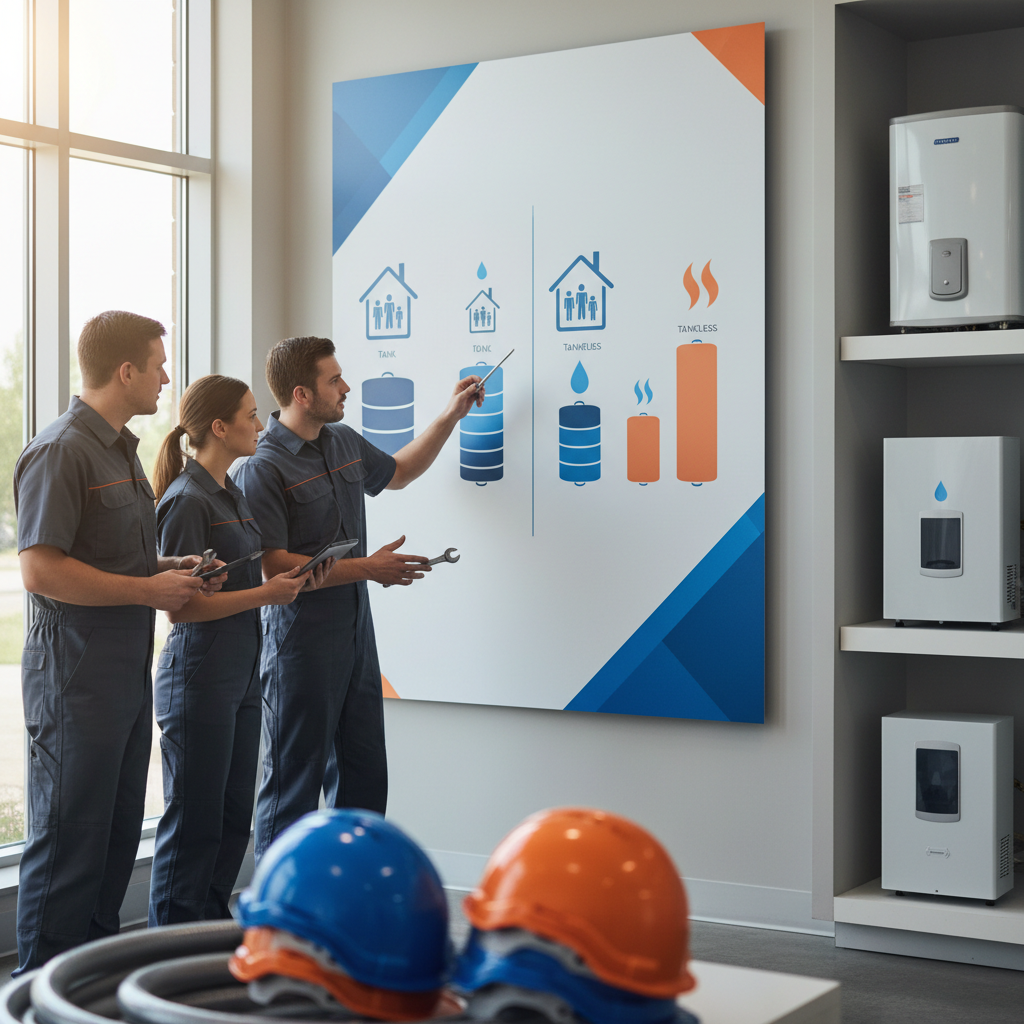
Maximizing Bay Area Electrification Rebates and PG&E Rates
As of 2024, the Bay Area is leading the shift toward electrification. Transitioning to a Heat Pump Water Heater (HPWH) is not just environmentally responsible; it is financially savvy for large households. Programs like TECH Clean California and local CCA incentives can provide up to $4,900 in rebates.
Furthermore, managing PG&E E-ELEC rate optimization is crucial for large families. By using a smart heat pump water heater, you can ‘load shift’—heating the bulk of your water during off-peak hours when electricity is cheapest, then drawing from that stored energy during expensive evening peaks.
| Feature | Traditional Gas Tank | Tankless Gas | Heat Pump (Electric) |
|---|---|---|---|
| Initial Cost | Low | Medium-High | High (Before Rebates) | Operating Cost | High | Medium | Lowest | Large Family Suitability | Moderate | Excellent | Great (with 80g tank) | Rebate Potential | Minimal | Moderate | Up to $4,900+ |
Addressing the ‘Recovery Rate’ for Back-to-Back Showers
If you prefer a tank-style system, the recovery rate is the metric that matters most. This is the speed at which the heater can warm up a fresh tank of cold water. In high-demand households, a low recovery rate leads to the dreaded ‘lukewarm’ shower for the last person in line.
To improve recovery and capacity without a full replacement, consider these ‘silent upgrades’:
- Thermostatic Mixing Valves: Allow you to store water at a higher temperature (killing bacteria) and mix it with cold water at the outlet, effectively increasing your hot water volume.
- Recirculation Pumps: Ensure hot water is instantly available at the tap, reducing the gallons wasted waiting for the water to get hot.
- Sediment Flushing: Bay Area ‘soft water’ is a myth in many zones; annual flushing prevents sediment from insulating the heating element and slowing recovery.
Don’t let your family suffer through cold showers. Explore our high-recovery installation options and bring comfort back to your home.
Future-Proofing for the 2027 Gas Water Heater Regulations
The Bay Area Air Quality Management District (BAAQMD) has passed regulations that will phase out the sale of most gas water heaters starting in 2027. For large families planning a replacement now, choosing the best water heater for large families means thinking about the next 15 years.
Investing in a heat pump water heater installation in San Francisco or San Jose now ensures you aren’t caught off guard by future mandates. These systems are designed to be future-ready, integrating with solar PV systems and smart home hubs seamlessly.
Final Recommendations for Multi-Gen Households
Choosing the right system requires balancing immediate comfort with long-term operational costs. For most Bay Area families with 5 or more residents, we recommend:
- Primary Choice: An 80-gallon Heat Pump Water Heater to maximize rebates and minimize PG&E bills.
- Alternative: A high-output Tankless Gas system if electrical panel space is limited and demand is truly ‘endless.’
- ADU Solution: A dedicated 160k BTU tankless unit to ensure independent utility management.
Ready to upgrade your home’s utility hub? Better Water Heaters has over 20 years of experience navigating the unique plumbing codes and rebate landscapes of the Bay Area. We handle everything from permits to rebate paperwork, ensuring your multi-generational home stays comfortable and compliant. Contact us today for a professional estimate or call our team to discuss your specific sizing needs.
Frequently Asked Questions
How do I know if my electrical panel can handle a heat pump water heater?
Most modern heat pump water heaters require a 30-amp, 240-volt circuit. However, new ‘plug-and-play’ 120V models are entering the market that can often use existing outlets. A professional assessment of your current load is necessary to determine if a panel upgrade or a smart circuit splitter is required for your installation.
Is a tankless water heater better than a large tank for a family of 6?
A tankless heater is generally superior for a family of 6 because it provides continuous hot water. While a large 80-gallon tank can handle many showers, it eventually runs out and requires a recovery period. Tankless systems eliminate this wait time entirely, provided the unit is sized correctly for the home’s total GPM demand.
What are the specific water heater requirements for an ADU in San Jose?
San Jose requires ADUs to meet California Title 24 energy standards. This often mandates high-efficiency systems like heat pumps or tankless gas heaters. Additionally, if the ADU is a new build, it may be required to be all-electric, making a heat pump water heater the standard choice to comply with local reach codes.
How much can I actually save with Bay Area electrification rebates?
Combined incentives from The Switch Is On, TECH Clean California, and federal tax credits (25C) can often cover 50-70% of the total installation cost. For a high-capacity 80-gallon heat pump system, total savings frequently exceed $4,000, making the net cost comparable to a standard gas tank replacement.