
📋 Table of Contents
When replacing an old unit, many homeowners are enticed by the promise of a water heater haul-away service that costs absolutely nothing. However, in the high-stakes regulatory environment of the San Francisco Bay Area, “free” often carries a hidden price tag that can exceed the cost of a new premium installation. Understanding the legal and environmental implications of appliance disposal is no longer optional for sophisticated property owners.
Key Takeaways for Bay Area Homeowners
- Liability stays with you: Under California law, the property owner is often held responsible for illegal dumping until the unit reaches a certified facility.
- Fines are escalating: Cities like Oakland and San Francisco have increased illegal dumping penalties to $1,000+ per incident.
- Scrap value is down: Declining metal prices mean “free” haulers often cut corners by fly-tipping components to remain profitable.
- Environmental impact: Improperly disposed units leak heavy metals and insulation chemicals into local watersheds.
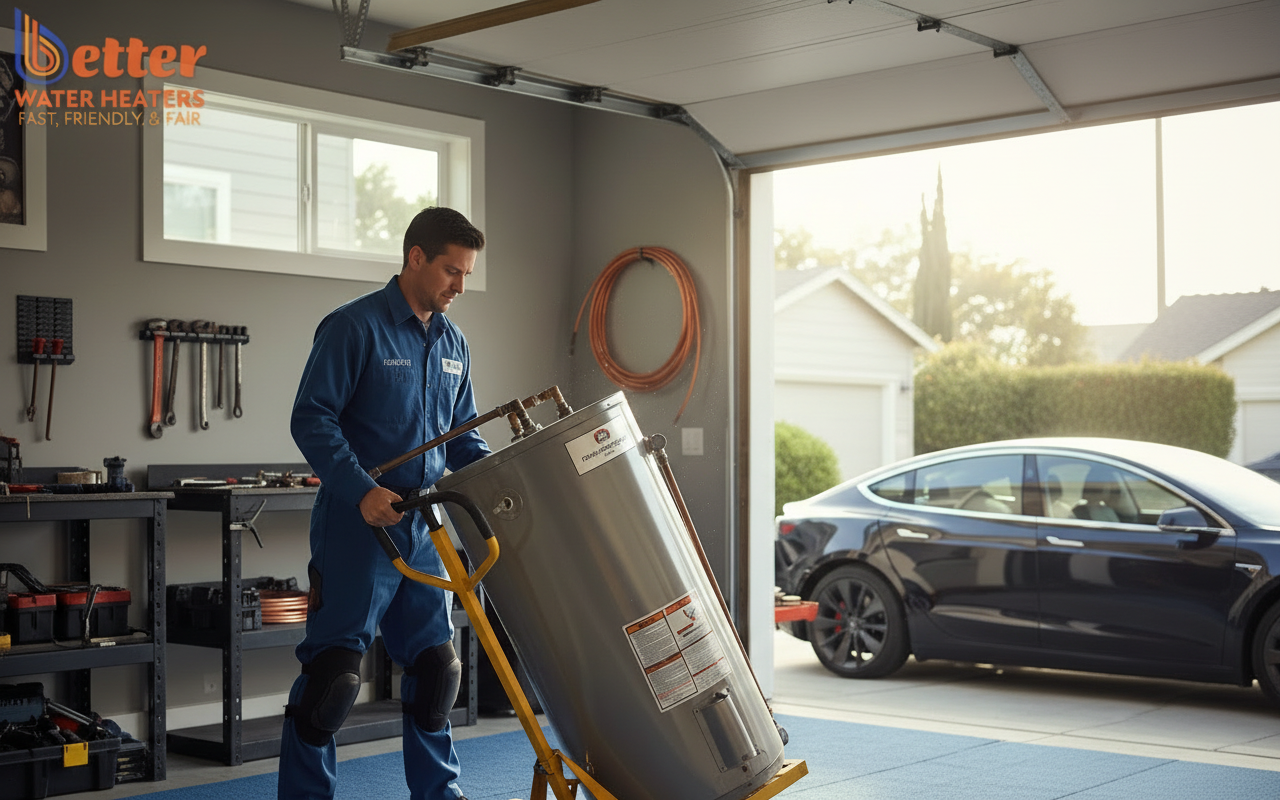
The ‘Curbside Trap’: Why Free Water Heater Haul-Away Leads to Fines
Many unlicensed contractors or “junk haulers” suggest leaving your old unit on the sidewalk for a quick water heater haul-away. While this seems convenient, it triggers a cascade of municipal violations. In San Francisco, leaving appliances on public property without a scheduled bulky item pickup is a violation of the San Francisco Public Works code.
Furthermore, if a hauler takes your unit and dumps it in a remote area of the East Bay or South Bay, investigators often use the serial number to trace the unit back to your address. Because you hired an unbonded entity, the legal burden of proof falls on you to show you followed appliance recycling laws California mandates.
To avoid these risks, homeowners should verify their contractor’s disposal process. A professional service like Better Water Heaters ensures every unit is tracked from your garage to a certified recycling center.
Risks of Unlicensed Haul-Away Services
- Property Damage: Uninsured haulers frequently scratch floors or damage door frames during removal, leaving you with no recourse for repairs.
- Identity Theft: Old units sometimes have service stickers with your name and phone number, which can be harvested if the unit is left in an unsecured lot.
- SB 1383 Non-Compliance: California’s SB 1383 focuses on waste methane, but it has tightened the general oversight of how all household waste, including metal appliances, is diverted from landfills.
The Economics of Responsible Water Heater Removal
In the past, scrap metal prices were high enough that a water heater haul-away could be subsidized by the value of the tank’s steel and copper. Today, the market has shifted. Modern glass-lined tanks are difficult to process, and the labor required to strip a unit safely often exceeds the scrap value.
Consequently, when a company offers this service for free, they are likely skipping the certified appliance recycler Bay Area fees. These fees cover the safe extraction of toxic components and the proper recycling of the heavy steel shell. When these steps are skipped, the environmental cost is passed on to our local ecosystem.
| Disposal Method | Average Cost | Legal Risk | Environmental Impact |
|---|---|---|---|
| Unlicensed ‘Free’ Hauler | $0 Upfront | High ($1,000+ Fine) | Negative – Potential Fly-tipping |
| Municipal Bulky Pickup | $0 – $50 | Low | Neutral – Landfill likely | $75 – $150 | Zero | Positive – 100% Recycled |
Looking for a transparent quote that includes ethical disposal? Contact us today for a clear, all-inclusive estimate.
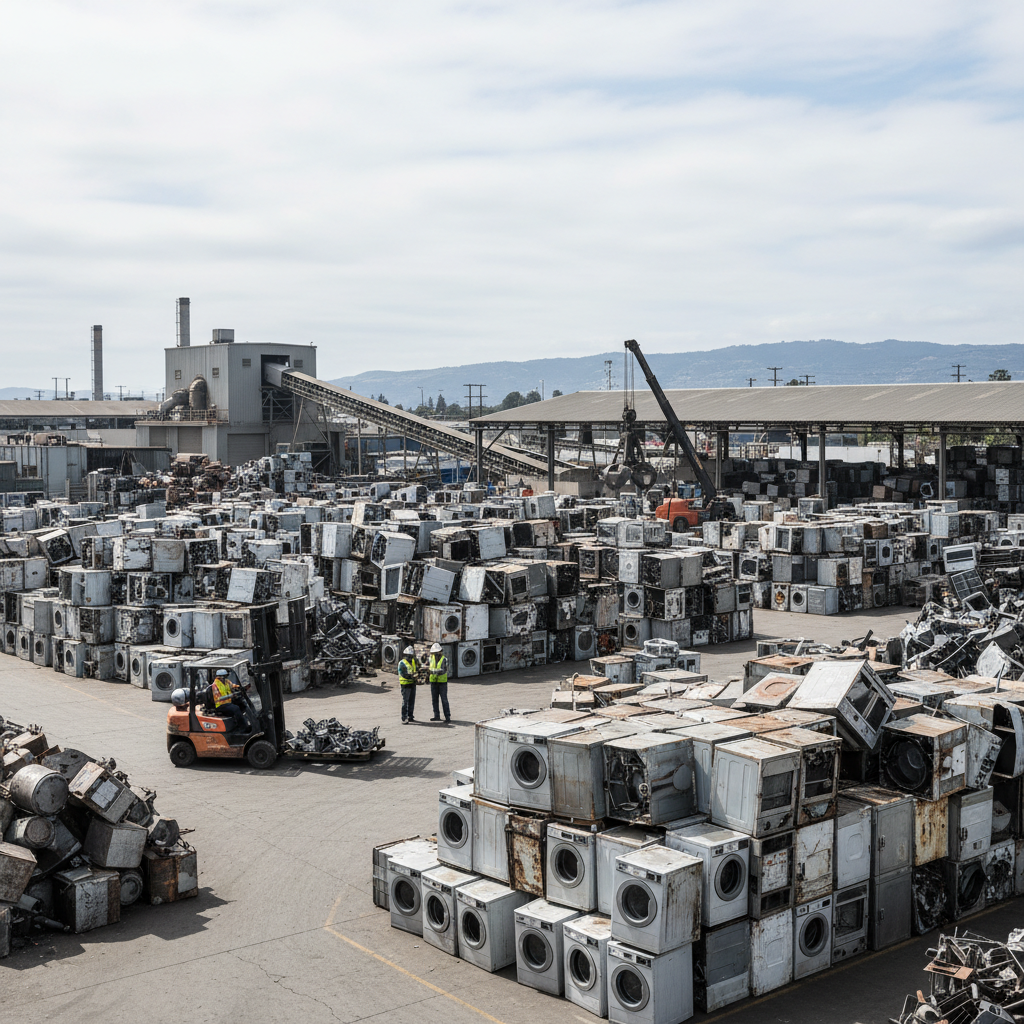
Understanding Water Heater Disposal San Francisco Regulations
Navigating water heater disposal San Francisco requirements requires local expertise. The city has some of the strictest zero-waste goals in the country. For example, the Bay Area Air Quality Management District is moving toward banning gas water heater sales by 2027, which is already increasing the volume of units being decommissioned.
As the volume of discarded units rises, so does the scrutiny on how they are handled. Responsible water heater removal involves more than just moving the tank; it requires disconnecting gas lines according to code and ensuring no residual water damages the property. A leak from a poorly handled removal can lead to mold issues that cost thousands to remediate.
Why Professional Disposal Matters
- Transfer of Liability: Professionals provide documentation showing the unit was transferred to a legal recycling facility.
- Safety Protocols: Ensuring gas valves are capped and electrical lines are safely terminated.
- Seismic Compliance: Professionals understand that removing an old unit often involves updating seismic strapping for the new installation to meet California code.
If you are planning an upgrade to a more efficient system, such as a heat pump model, you can learn more about local incentives through our Bay Area rebate guide.
The Environmental Reality of Appliance Recycling Laws California
California leads the nation in environmental protection, and appliance recycling laws California are designed to prevent heavy metals like lead and mercury from entering our soil. A standard water heater contains a sacrificial anode rod, which is designed to corrode to protect the tank. If left in a ditch, these concentrated metals leach into the groundwater.
By choosing a certified appliance recycler Bay Area, you are supporting a circular economy. The steel from your old tank can be melted down and repurposed for new construction projects in Silicon Valley, reducing the need for virgin ore mining. This aligns with the values of many Bay Area homeowners who prioritize sustainability alongside home maintenance.
How to Identify a Legitimate Water Heater Haul-Away Service
When vetting a plumbing company or a replacement service, ask specifically about their water heater haul-away process. A sophisticated provider will be able to name the facility they use, such as a dedicated scrap processor in San Jose or a resource recovery center in San Mateo County.
Moreover, avoid any contractor who suggests “just putting it on the curb.” This is a red flag that they are not licensed or bonded for the full scope of the job. In the Bay Area, professional water heater disposal cost San Jose or San Francisco residents pay is a small insurance premium against the massive fines associated with illegal dumping.
Questions to Ask Your Contractor
- “Do you provide a receipt or confirmation of recycling?”
- “Are your haulers employees or third-party contractors?”
- “Does your insurance cover property damage during the removal process?”
- “How do you handle the disposal of the anode rod and sediment?”
At Better Water Heaters, we believe in total transparency. We handle the permits, the installation, and the 100% ethical recycling of your old unit. Schedule your professional consultation here.
FAQs About Water Heater Disposal
Is it illegal to put a water heater in the trash?
Yes, in California, water heaters are considered “white goods” and are prohibited from standard landfills. They must be processed by a certified recycler to remove hazardous components and reclaim the metal. Attempting to place one in a standard dumpster can result in significant fines from your local waste management provider.
How much does water heater disposal cost in San Jose?
Typically, professional water heater disposal cost San Jose ranges from $75 to $150 when performed as part of a replacement service. This fee covers the labor, transportation, and the recycling facility’s tipping fees. Beware of quotes that seem too low, as they may not include ethical disposal practices.
What happens to my old water heater after it’s hauled away?
A responsible water heater removal service takes the unit to a processing plant where it is drained of any remaining sediment. The outer jacket and inner tank are separated, and the steel is shredded for recycling. Non-recyclable insulation is disposed of according to environmental regulations.
Can I get a tax credit for recycling my old water heater?
While there isn’t a direct federal tax credit for recycling, replacing an old, inefficient unit with an ENERGY STAR® certified model (like a heat pump water heater) can qualify you for up to $2,000 in federal tax credits under the Inflation Reduction Act, plus local Bay Area rebates up to $4,900.