
📋 Table of Contents
As we approach 2026, savvy homeowners are looking to secure heat pump water heater rebates before the regulatory landscape shifts. With the Bay Area Air Quality Management District (BAAQMD) moving toward a total phase-out of NOx-emitting gas water heaters by 2027, this year represents a critical financial window. By strategically stacking federal, state, and local incentives, you can offset nearly the entire cost of a high-efficiency upgrade.
Key Takeaways for 2026:
- Stacking TECH Clean California with Federal 25C tax credits can yield over $4,900 in total savings.
- New 120V “plug-in” models allow for electrification without expensive $3,000+ electrical panel upgrades.
- The 2027 BAAQMD gas water heater ban makes 2026 the most cost-effective year to transition.
- Income-contingent HEEHRA rebates may cover up to 100% of installation costs for eligible households.
The 2026 Rebate Stack: How to Maximize Your Savings
Navigating the complex world of Bay Area energy incentives requires understanding how different programs layer together. In 2026, the “Golden Stack” involves combining three distinct funding sources to minimize your out-of-pocket expenditure. This strategy is particularly effective for high-growth households in San Jose, Oakland, and San Francisco looking to maximize ROI.
According to Energy.gov, heat pump technology is up to four times more efficient than traditional electric resistance heaters. To help you visualize the potential, consider this breakdown of available incentives:
| Incentive Source | Program Name | Potential Value |
|---|---|---|
| Federal Government | Energy Efficient Home Improvement Credit (25C) | Up to $2,000 (Tax Credit) |
| State of California | TECH Clean California Rebates 2026 | $1,000 – $3,100+ |
| Local Utility/CCA | PG&E, MCE, or Peninsula Clean Energy | $500 – $1,000 |
| Total Potential | Maximum Stacked Value | $4,900+ |
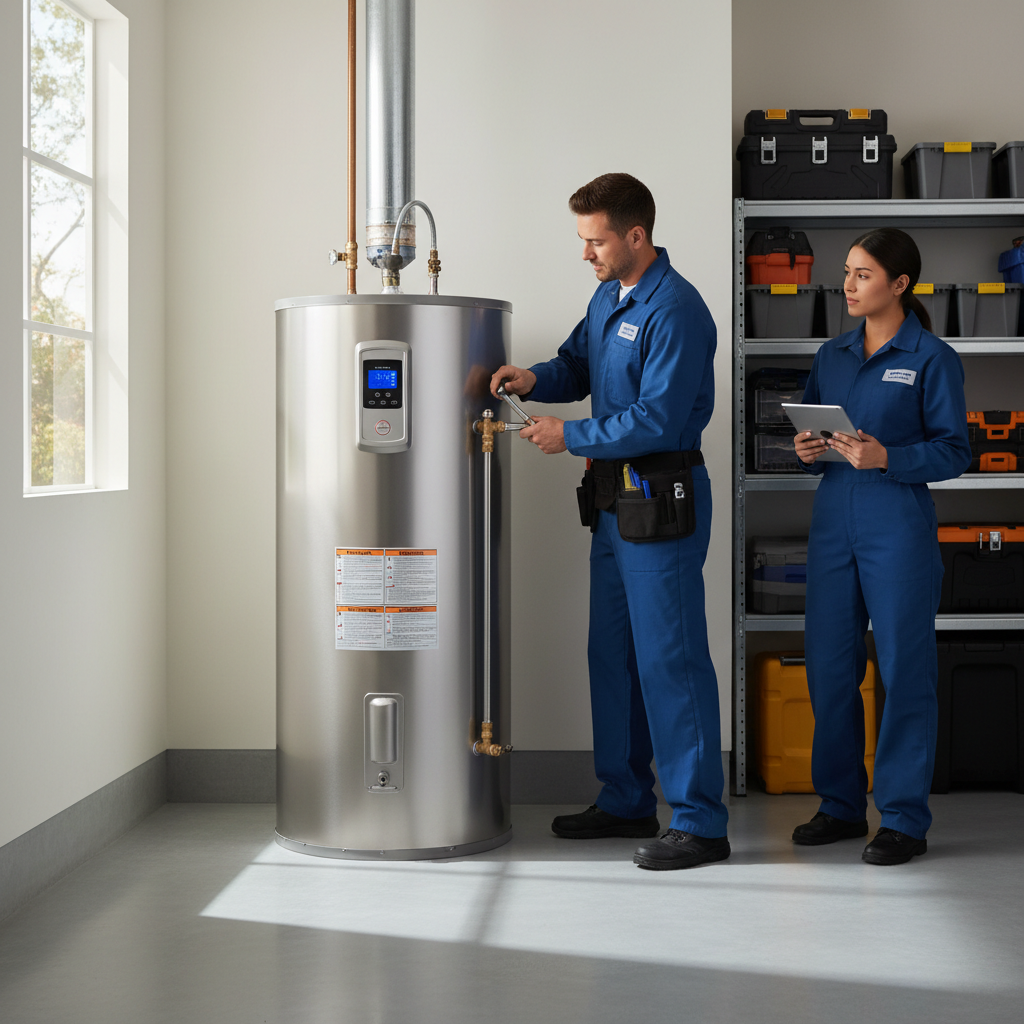
Furthermore, the HEEHRA rebates California 2026 rollout has introduced point-of-sale discounts for low-to-moderate income households. These can be combined with existing local rebate programs to significantly lower the barrier to entry for electrification.
Understanding TECH Clean California Rebates 2026
The TECH Clean California program remains the backbone of electrification in the state. For 2026, the program has pivoted to prioritize equity and high-efficiency heat pump water heater rebates for residents in disadvantaged communities. However, standard market-rate incentives still provide substantial relief for most Bay Area homeowners.
- Contractor-led: You must work with a TECH-certified contractor to unlock these funds.
- Direct-to-invoice: Many contractors apply the rebate directly to your quote, reducing your initial payment.
- Unit Requirements: The system must meet specific Energy Star Tier 3 or Tier 4 ratings.
Why 2026 is the Critical Year for Heat Pump Water Heater Rebates
Waiting until 2027 could be a costly mistake for homeowners in Santa Clara or Alameda County. The BAAQMD regulations will effectively ban the sale of new gas water heaters, likely causing a surge in demand for heat pump installers. Consequently, labor prices are expected to rise as the 2027 deadline approaches.
Moreover, the current heat pump water heater tax credit 25C offers a 30% credit capped at $2,000 annually. By upgrading in 2026, you ensure you are ahead of the regulatory curve while utilizing the most aggressive incentive packages ever offered in California. If you are unsure of your current system’s health, you can schedule a professional assessment to determine your upgrade timeline.
The Rise of 120V “Plug-in” Heat Pump Water Heaters
One of the biggest hurdles for older homes in Berkeley or San Francisco has been the $3,000+ cost of upgrading electrical panels to support a 240V appliance. Fortunately, 120V heat pump water heater installation technology has matured. These units plug into a standard outlet, allowing you to bypass the panel upgrade entirely while still qualifying for most heat pump water heater rebates.
- No panel upgrade required: Saves thousands in electrical labor and permit fees.
- Shared circuit capability: Many models are designed to run on existing 15-amp circuits.
- Ideal for retrofits: Perfect for San Francisco Victorians or mid-century ranch homes.
Need help navigating these technical requirements? Contact our expert team today for a free consultation on the best model for your home’s electrical capacity.

Strategic Steps to Claim Your Bay Area Energy Incentives
Maximizing your ROI requires a methodical approach to documentation and timing. Many Bay Area energy incentives are reserved on a first-come, first-served basis, and funds can be depleted before the end of the fiscal year. Following a structured process ensures you don’t leave money on the table.
- Verify Contractor Certification: Ensure your installer is registered with TECH Clean California and local CCA programs like CleanPowerSF or Silicon Valley Clean Energy.
- Audit Your Electrical Capacity: Determine if you need a 240V unit or if a 120V “plug-in” model is more cost-effective for your specific home.
- Apply for Pre-Approval: Some local utility programs require pre-approval before the installation begins.
- Collect Documentation: Retain all invoices, AHRI certificates, and permit copies for your federal tax filing.
According to the Environmental Protection Agency, switching to a heat pump water heater can save a family of four hundreds of dollars per year on utility bills. When you combine these operational savings with upfront heat pump water heater rebates, the system often pays for itself within 3–5 years.
Impact of NEM 3.0 and Solar Integration
For homeowners with solar arrays, the shift to NEM 3.0 has made “load shifting” essential. Heat pump water heaters act as a thermal battery, allowing you to use excess solar generation during the day to heat water for evening use. This synergy significantly improves the ROI of both your solar system and your new water heater.
The Hidden Value: Rebates for Electrical and Structural Upgrades
Many homeowners overlook that heat pump water heater rebates aren’t limited to the unit itself. Under the Federal 25C tax credit, you may also claim 30% (up to $600) for electrical panel upgrades if they are necessary for the heat pump installation. This “hidden” rebate makes it the perfect time to modernize your home’s infrastructure.
- Panel Upgrades: 30% credit available for upgrades supporting energy-efficient appliances.
- Structural Modifications: Some local programs offer “bonus” rebates for moving water heaters from interior closets to garages to improve airflow.
- Permit Fee Waivers: Certain Bay Area cities offer reduced permit fees for electrification projects.
Ready to lock in your savings? At Better Water Heaters, we handle the complex permit and rebate paperwork for you. Request a quote now to see how much you can save in 2026.
Common Pitfalls to Avoid in the 2026 Rebate Cycle
Despite the abundance of funding, many residents miss out due to simple clerical errors. Avoid these common mistakes to ensure your TECH Clean California rebates 2026 application is successful:
- Using Unlicensed Labor: DIY installations or uncertified handymen automatically disqualify you from state and federal incentives.
- Missed Deadlines: Most local rebates must be claimed within 60–90 days of installation.
- Incorrect Sizing: If the unit is too small for your household, it may rely on backup electric resistance heat, negating the energy savings and potentially violating rebate terms.
FAQs: Advanced Questions for Bay Area Homeowners
Can I stack a federal tax credit with a TECH Clean California rebate?
Yes, as of 2026, you can absolutely stack the Federal 25C tax credit with state-level TECH Clean California incentives. The federal credit is applied to your tax liability, while the state rebate is typically a direct discount. This dual-layer approach is the most effective way to reduce the total cost of ownership.
Will the 2027 gas water heater ban apply to repairs on my existing unit?
No, the BAAQMD regulation applies to the sale and installation of new units. You can still repair an existing gas water heater after 2027. However, once the unit fails and requires replacement, you will be required to install a zero-NOx model, such as a heat pump, making the 2026 rebate window very attractive.
Do 120V heat pump water heaters qualify for the same rebates as 240V models?
Most 120V models qualify for the Federal 25C tax credit and many TECH Clean California incentives, provided they meet Energy Star efficiency requirements. However, some local utility “bonus” rebates may vary by voltage, so it is essential to check your specific CCA’s guidelines before purchasing.
How do I find a TECH-certified contractor in the Bay Area?
You can find certified installers through the official TECH Clean California directory or by contacting specialized local experts. At Better Water Heaters, we are fully certified and experienced in navigating the specific 2026 rebate requirements for San Jose, San Mateo, and the surrounding regions.
Don’t let thousands of dollars in heat pump water heater rebates expire. With the 2027 regulations looming, 2026 is the strategic time to upgrade your home’s efficiency and comfort. Contact Better Water Heaters today to secure your rebate-eligible installation and join the thousands of Bay Area homeowners leading the charge toward a sustainable future.