
📋 Table of Contents
The 2027 gas water heater ban is no longer a distant policy proposal; it is a looming reality for every homeowner in the San Francisco Bay Area. As the Bay Area Air Quality Management District (BAAQMD) moves to slash nitrogen oxide (NOx) emissions, the landscape of home appliances is shifting permanently toward electrification. For sophisticated property owners, this transition represents both a logistical challenge and a strategic opportunity to increase home value and energy efficiency.
Understanding the nuances of these Bay Area water heater laws is essential for avoiding the ‘Emergency Replacement Trap.’ If your current gas unit fails after the mandate takes effect, you may find yourself without hot water for weeks while navigating electrical upgrades and permit delays. Proactive planning is the only way to ensure a seamless transition to zero-emission technology.
Understanding BAAQMD Regulations and Rule 9-6
The regulatory backbone of the 2027 gas water heater ban is found in BAAQMD Regulation 9, Rule 6. This rule specifically targets the sale and installation of natural gas-fired water heaters, which are significant contributors to local air pollution. By phasing out these units, the district aims to meet stringent state and federal air quality standards.
Consequently, the timeline for compliance is structured by the size and type of the unit:
- January 1, 2027: Small-scale water heaters (typically used in single-family homes) must meet a zero-NOx emission standard.
- January 1, 2029: Large-scale commercial water heaters must comply with the same zero-emission requirements.
- Impact on Repairs: While you can currently repair an existing unit, once the ban is active, failed units cannot be replaced with new gas models.
Furthermore, these BAAQMD regulations do not require you to rip out a working gas heater on day one. However, they effectively mandate that your next water heater must be a heat pump or electric model. This shift is part of a broader California initiative to decarbonize the built environment, as detailed by the California Energy Commission.
The Infrastructure Gap: Why Waiting Is a Risk
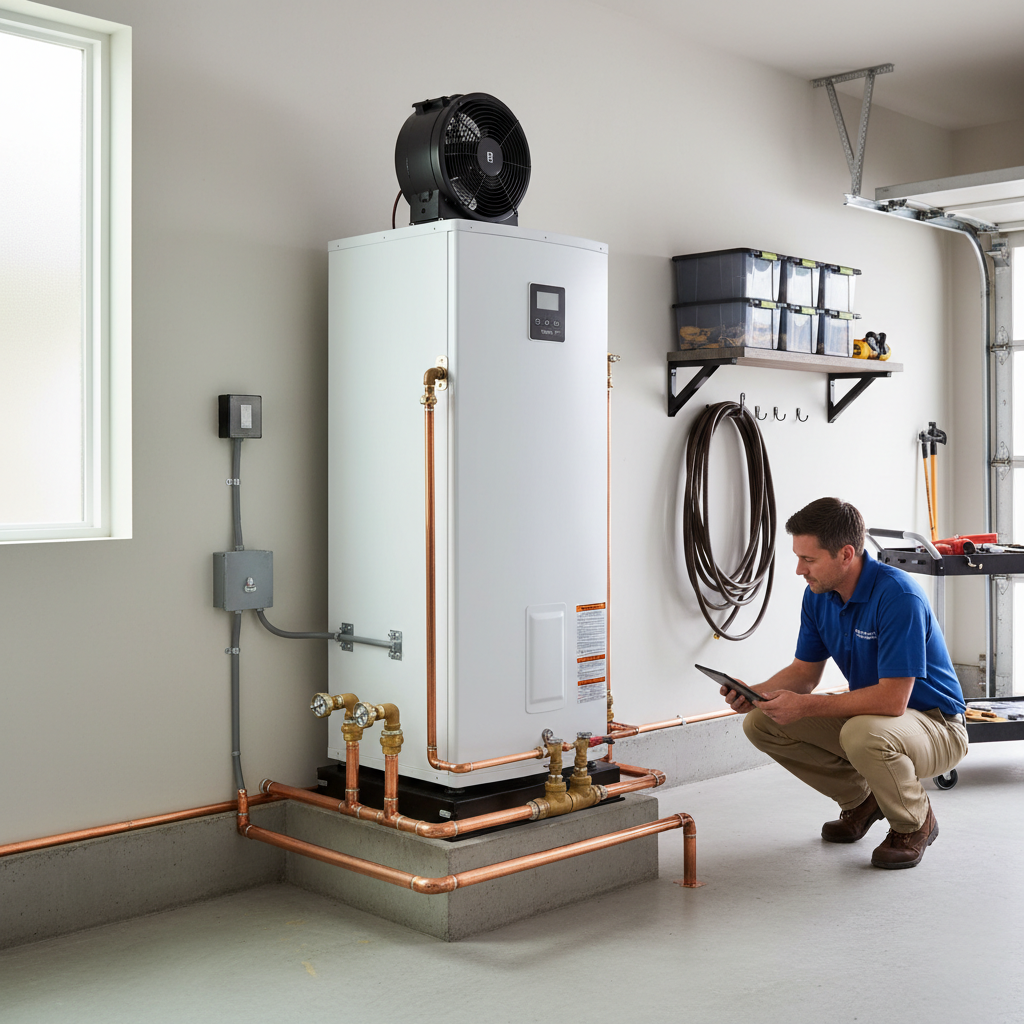
Most Bay Area homes built before 2010 were not designed for high-capacity electric appliances. Transitioning to a heat pump water heater (HPWH) often requires more than just a plumber; it requires an electrician and potentially a utility coordination effort. This ‘Infrastructure Gap’ is the primary reason why the 2027 gas water heater ban requires immediate attention.
Consider the typical requirements for a zero-emission installation:
- 240V Dedicated Circuit: Most gas heaters use a standard 120V outlet (or none at all). A heat pump requires a dedicated 240V line.
- Panel Capacity: If your main electrical panel is 100-amps or 125-amps, adding a water heater might trigger a full panel upgrade.
- Space and Airflow: Heat pumps extract heat from the surrounding air, meaning they require specific cubic footage or venting that your current closet may lack.
By assessing your home now, you can determine if you need a PG&E electrical panel upgrade before your current unit reaches its end-of-life. According to PG&E’s electrification data, lead times for transformer upgrades in neighborhoods like Palo Alto or Los Gatos can span several months.
Financial Analysis: Stacking Rebates and Incentives
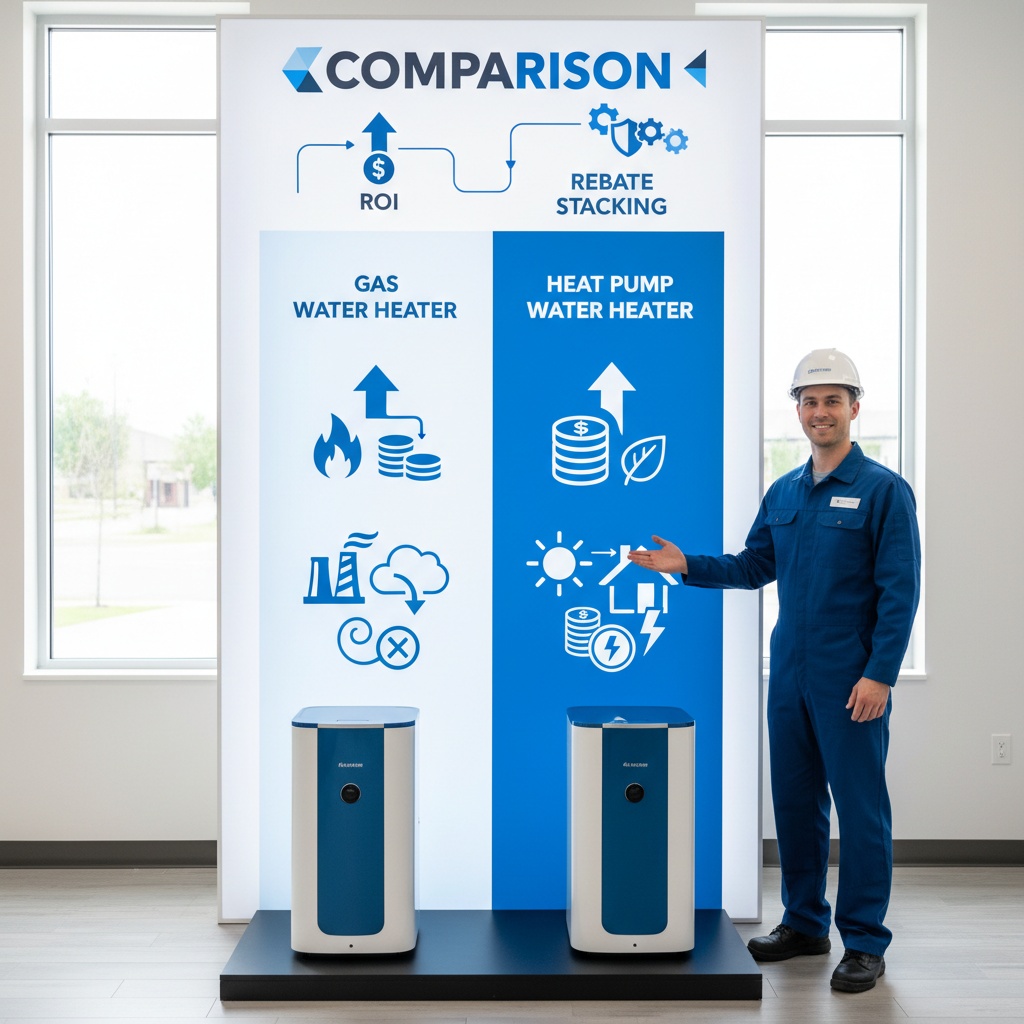
While the upfront cost of a heat pump system is higher than a traditional gas tank, the available financial incentives in the Bay Area are unprecedented. Savvy homeowners are currently ‘stacking’ local, state, and federal credits to offset nearly 70% of the installation costs.
Here is a breakdown of the current incentive landscape for heat pump water heater rebates California residents can access:
| Source | Incentive Type | Estimated Value |
|---|---|---|
| TECH Clean California | State Rebate | $1,000 – $3,100 |
| Inflation Reduction Act (IRA) | Federal Tax Credit (25C) | Up to $2,000 |
| BayREN / Local Utilities | Regional Rebate | $500 – $1,000 |
| Total Potential Savings | Combined Stack | $4,500 – $6,100 |
Additionally, choosing a zero-emission water heater installation can significantly lower your monthly energy bills. Heat pumps are 3-4 times more efficient than gas units because they transfer heat rather than generating it. This efficiency is a key pillar of the 2027 gas water heater ban strategy to reduce the carbon footprint of residential zones.
Strategic Decision: Repair, Replace, or Wait?
Homeowners often ask if they should buy one ‘last gas heater’ in 2026 to delay the transition. While this is legally permissible, it carries the risk of a ‘stranded asset.’ A new gas heater installed in 2026 will likely last until 2040, but as gas prices rise and carbon taxes are implemented, the operating cost may become prohibitive.
Evaluate your situation based on these criteria:
- Age of Unit: If your gas heater is 10+ years old, you are in the ‘danger zone.’ Plan for a heat pump conversion now.
- Panel Status: If you are already planning a kitchen remodel or adding an EV charger, include the water heater circuit in that scope.
- Property Value: Modern buyers in the Bay Area increasingly value ‘all-electric’ homes. Early adoption can be a selling point.
For those worried about high PG&E electricity rates, hybrid water heaters offer a middle ground. These units allow you to switch between heat pump and standard electric modes, giving you flexibility during peak pricing hours. Our water heater specialists can help you calculate the exact ROI based on your local utility rate plan.
Emergency Preparedness Checklist for 2027
To avoid being caught off guard by the 2027 gas water heater ban, we recommend a ‘Readiness Audit.’ This ensures that if your unit fails, the transition is a matter of hours, not weeks. Following these steps will protect your family’s comfort and your budget.
- Audit your electrical panel: Check if you have two open slots for a 30-amp, 240V breaker.
- Measure your space: Ensure your water heater location has at least 700-1,000 cubic feet of air space or can be ducted.
- Check for rebates: Verify your eligibility for TECH Clean California incentives.
- Consult a pro: Get a pre-installation quote that includes any necessary electrical work.
Furthermore, early adoption allows you to choose the best equipment. During the 2027 rush, supply chain constraints may limit your options to whatever is ‘in stock’ rather than the most efficient model for your home. Taking action now places you ahead of the curve of the new Bay Area water heater laws.
Conclusion: Partnering with Bay Area Specialists
The 2027 gas water heater ban is a significant shift, but it doesn’t have to be a source of stress. By understanding the BAAQMD regulations and the infrastructure requirements of heat pump technology, you can make a data-driven decision that benefits your home and the environment. At Better Water Heaters, we specialize in navigating these complex transitions for Bay Area residents.
Whether you are in San Jose, Fremont, or San Mateo, our team is ready to help you maximize your rebates and ensure your home is future-ready. Don’t wait for a leak to discover you’re unprepared for the new era of water heating. Contact us today for a comprehensive home readiness assessment.
Frequently Asked Questions
What happens if my gas water heater breaks after 2027?
Under the new 2027 gas water heater ban, you will not be able to purchase or install a new natural gas water heater. You will be required to install a zero-NOx emission unit, typically a heat pump water heater. This is why we recommend upgrading your electrical infrastructure now to avoid long delays during an emergency.
Are there exceptions to the BAAQMD Rule 9-6?
Currently, the rule applies to any new sale and installation within the BAAQMD jurisdiction. There are very few exceptions for residential properties. While you can continue to use and repair your existing gas heater, once it requires replacement, the new zero-emission standards must be met.
How much more does a heat pump water heater cost compared to gas?
The unit and installation for a heat pump can cost $3,000 to $5,000 more than gas, primarily due to electrical requirements. However, with federal tax credits and California rebates, the net cost is often comparable to or even lower than a high-efficiency gas installation.
Will a heat pump water heater work in the Bay Area climate?
Yes, the Bay Area’s moderate climate is ideal for heat pump technology. Because our temperatures rarely drop below freezing, the units can operate at peak efficiency year-round, unlike in colder climates where they might rely more heavily on backup electric resistance heat.