
📋 Table of Contents
The 2027 gas water heater ban is no longer a distant regulatory concept; it is a fast-approaching reality for every homeowner in the San Francisco Bay Area. As the Bay Area Air Quality Management District (BAAQMD) moves to eliminate nitrogen oxide (NOx) emissions, the transition from gas to electric is becoming a mandatory strategic pivot for property owners. Understanding these shifts today is the difference between a seamless, subsidized upgrade and a frantic, expensive emergency repair tomorrow.
Understanding BAAQMD Water Heater Rules and the 2027 Timeline
Consequently, the BAAQMD has adopted landmark amendments to Rules 9-4 and 9-6, which specifically target the emissions from residential water heating. This regulatory framework effectively mandates that after 2027, any new water heater installed in a Bay Area home must be a ‘zero-NOx’ model, which currently points exclusively to electric heat pump technology.
- 2027 Deadline: Sales and installations of traditional natural gas water heaters (75,000 BTU/hr or less) will be prohibited.
- 2029 Deadline: Larger commercial-scale gas water heaters and gas furnaces will face similar phase-outs.
- Zero-NOx Requirement: Only appliances that produce zero nitrogen oxide emissions will be permitted for new installations.
- Jurisdiction: These rules apply to all nine Bay Area counties, including Santa Clara, Alameda, and San Mateo.
Furthermore, these Bay Area water heater regulations are designed to significantly reduce the region’s carbon footprint. According to the BAAQMD official guidelines, residential buildings are a primary source of local air pollution, making this transition a cornerstone of California’s climate goals.
The Infrastructure Gap: Why the 2027 Gas Water Heater Ban Requires a 24-Month Lead Time
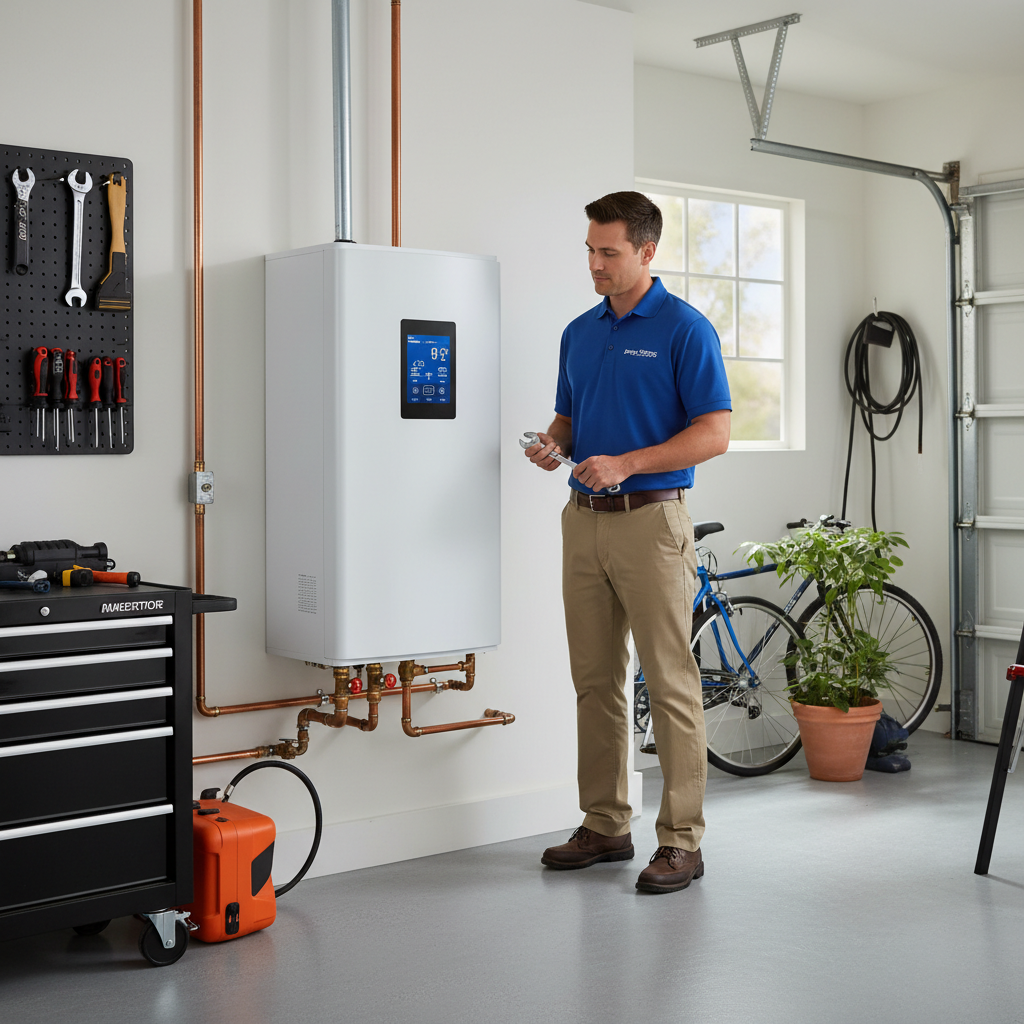
Many homeowners mistakenly believe they can simply wait until their current unit fails to make the switch. However, the 2027 gas water heater ban presents a massive logistical challenge known as the ‘Infrastructure Gap.’ Most older Bay Area homes operate on 100-amp or 125-amp electrical panels, which are often insufficient for the 240V circuit required by high-efficiency heat pumps.
- Panel Upgrades: Upgrading to a 200-amp panel to support electrification can cost between $3,000 and $5,000.
- Utility Lead Times: Coordinating with PG&E for a service disconnect and panel upgrade can currently take 3 to 6 months.
- Permitting Hurdles: Local building departments are seeing an influx of electrification permits, leading to processing delays.
- The Emergency Trap: If your gas heater leaks in 2027, you cannot legally replace it with gas, but you may not have the electrical capacity to install electric immediately.
Moreover, waiting until the deadline means risking weeks without hot water while you navigate the permitting and utility upgrade process. Strategic homeowners are initiating their electrical assessments now to ensure their infrastructure is ‘heat-pump ready’ before the 2027 cutoff.
Strategic Financial Moves: Stacking Bay Area Water Heater Incentives
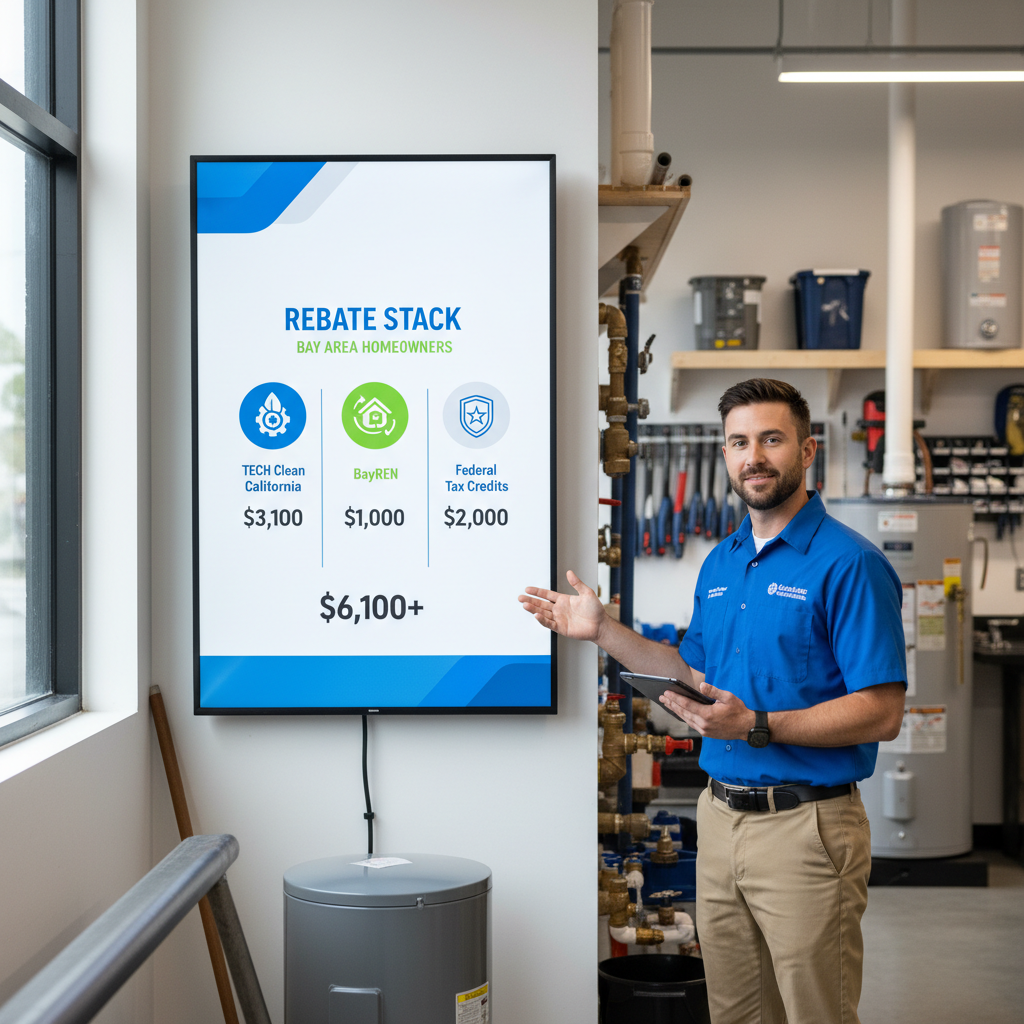
While the upfront cost of a heat pump water heater is higher than a traditional gas unit, the current rebate landscape is unprecedented. By acting before the 2027 gas water heater ban takes full effect, residents can leverage multiple funding sources that may decrease as the mandate nears.
| Incentive Program | Estimated Value | Eligibility Criteria |
|---|---|---|
| TECH Clean California | $1,000 – $3,100 | Installation by a TECH-certified contractor |
| BayREN Incentives | $1,000 | Switching from gas to high-efficiency electric |
| Federal Tax Credit (IRA) | Up to $2,000 | 30% of total project cost (capped annually) |
| Local Utility Rebates | $500 – $1,500 | Varies by provider (SVCE, Peninsula Clean Energy) |
Additionally, for low-to-moderate income households, programs like the BayREN water heater incentives and HEEHRA can often cover nearly 100% of the installation costs. This creates a unique window where upgrading your home’s value and efficiency is essentially subsidized by the state.
Heat Pump vs. Tankless: Navigating Bay Area Architecture
Choosing the right technology under the new BAAQMD water heater rules depends heavily on your property type. While tankless gas heaters were the gold standard for years, they will also be phased out by the 2027 mandate in favor of electric alternatives.
- Heat Pump Water Heaters (HPWH): These units are 3-4 times more efficient than standard electric tanks. They work best in garages or vented closets.
- San Francisco Constraints: In tight urban spaces, ‘split-system’ heat pumps are emerging as a solution, allowing the compressor to sit outdoors while the tank stays inside.
- Hybrid Models: These units offer a ‘high demand’ mode for large families, utilizing backup heating elements during peak usage.
Specifically, we recommend consulting with specialized installers who understand the unique seismic strapping and Title 24 requirements specific to the Bay Area. A properly sized heat pump system can save a household over $400 annually on energy bills compared to gas.
Protecting Property Value and Future-Proofing Real Estate
In the competitive Bay Area real estate market, energy efficiency is a high-value asset. Homes that have already navigated the electric water heater conversion San Francisco and surrounding cities require will be significantly more attractive to buyers post-2027.
- Appraisal Impact: Modernized electrical systems and high-efficiency appliances contribute to higher green building scores.
- Disclosure Advantage: Sellers who can prove compliance with Bay Area water heater regulations avoid last-minute credit requests during escrow.
- Reliability: Newer heat pump models offer smart-home integration, allowing owners to monitor leaks and energy usage via smartphone.
As noted by Energy.gov, heat pump technology is the most sustainable path forward for residential water heating. By investing now, you are not just following a mandate; you are protecting your home’s equity against future regulatory obsolescence.
Conclusion: Your Roadmap to 2027 Compliance
Ultimately, the 2027 gas water heater ban is a call to action for proactive maintenance. Waiting for your current gas unit to fail is a high-risk strategy that could lead to significant downtime and higher infrastructure costs. By assessing your electrical panel today and securing your spot in the rebate queue, you ensure your home remains comfortable, compliant, and cost-effective for the next two decades.
Ready to navigate the new BAAQMD water heater rules with confidence? Contact the experts at Better Water Heaters for a comprehensive electrification assessment. We handle the permits, the rebates, and the installation, so you don’t have to worry about the 2027 countdown.
Frequently Asked Questions About the 2027 Gas Ban
Is it still legal to repair my gas water heater after 2027?
Yes, the 2027 gas water heater ban currently applies to the sale and installation of new units. You can still perform repairs on existing gas units. However, once the unit reaches the end of its life (typically 10-15 years), you will be required to replace it with a zero-NOx electric model.
How much do heat pump water heater rebates 2024 offer?
In 2024, Bay Area residents can stack incentives to save significantly. Between TECH Clean California ($1,000+), BayREN ($1,000), and the Federal IRA tax credit ($2,000), many homeowners see $4,000 to $5,000 in total savings, which often covers the bulk of the equipment and installation costs.
Do I really need a panel upgrade for an electric water heater?
Most likely, yes. Standard gas water heaters use very little electricity, whereas a heat pump requires a dedicated 30-amp, 240V circuit. If your home still has a 100-amp panel, you will likely need an upgrade to meet Bay Area water heater regulations and local building codes safely.
Will a heat pump water heater work in a cold garage?
Absolutely. Heat pump water heaters are highly effective in the moderate Bay Area climate. While they are slightly less efficient when temperatures drop below 40°F, they are designed to operate efficiently in temperatures as low as the mid-30s, making them perfect for San Jose, Fremont, and even coastal San Francisco.