
📋 Table of Contents
The 2027 gas water heater ban is no longer a distant regulatory concept; it is a fast-approaching reality for every homeowner in the nine Bay Area counties. As the Bay Area Air Quality Management District (BAAQMD) moves to eliminate nitrogen oxide (NOx) emissions, the window for traditional gas replacements is closing rapidly.
For sophisticated homeowners and property managers, understanding this transition is not just about environmental compliance—it is about protecting property value and avoiding the “emergency replacement trap.” Transitioning to zero-emission technology requires more than a simple swap; it often involves electrical upgrades that can take weeks to permit and execute.
Understanding BAAQMD Regulation 9, Rule 6 and the 2027 Deadline
The core of the 2027 gas water heater ban lies in Regulation 9, Rule 6, which mandates a transition to zero-NOx appliances. Starting in 2027, retailers and installers will be prohibited from selling or installing water heaters that emit any nitrogen oxides, effectively ending the era of natural gas tanks in residential settings.
- Scope: This applies to all single-family residential water heaters under 75,000 BTU.
- Timeline: The mandate for small residential units begins January 1, 2027, with larger commercial units following in 2029.
- Compliance: Homeowners are not required to rip out working units, but they cannot replace a broken gas unit with another gas unit after the deadline.
Consequently, the “emergency scenario” becomes a major risk. If your gas heater fails on January 2nd, 2027, you cannot simply call for a same-day gas replacement. You will be legally required to install a heat pump water heater (HPWH), which may necessitate an electrical panel upgrade you aren’t prepared for.
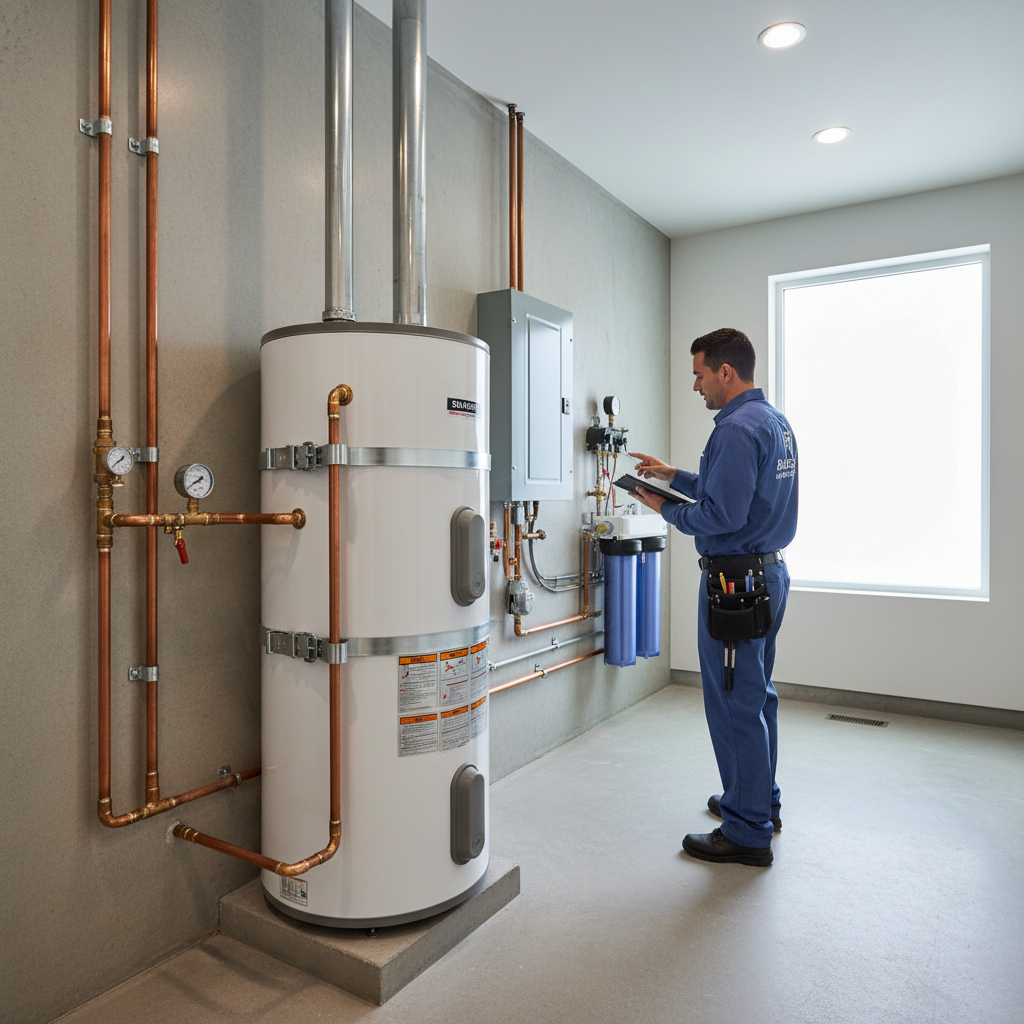
The Financial Impact of the 2027 Gas Water Heater Ban
Strategic planning today can save Bay Area residents upwards of $5,000 in “soft costs” associated with electrification. While the 2027 gas water heater ban creates a mandate, the current incentive landscape offers a unique opportunity to offset the higher upfront cost of heat pump technology.
According to Energy.gov, heat pump water heaters are up to three times more efficient than conventional electric resistance heaters. However, the installation cost in the Bay Area is higher due to labor and electrical requirements.
| Cost Factor | Standard Gas (Pre-2027) | Heat Pump (Post-2027) |
|---|---|---|
| Equipment Cost | $800 – $1,500 | $2,500 – $4,500 |
| Labor & Permits | $1,000 – $2,000 | $2,000 – $3,500 |
| Electrical Upgrades | $0 | $1,500 – $4,000 |
| Total Estimated Cost | $1,800 – $3,500 | $6,000 – $12,000 |
Furthermore, acting before the 2027 rush allows you to stack multiple incentives. Currently, programs like TECH Clean California and local utility rebates from PG&E or Peninsula Clean Energy can reduce your out-of-pocket costs by thousands.
The Readiness Audit: Is Your Home Prepared?
To avoid being caught off guard by the 2027 gas water heater ban, we recommend a “Readiness Audit” for your electrical system. Most heat pump water heaters require a dedicated 240V/30A circuit, which many older Bay Area homes lack.
- Check Your Panel Capacity: Does your main breaker panel have at least 100-200 amps? If you are at 60 amps, an upgrade is mandatory.
- Assess Physical Space: Heat pumps need roughly 700-1,000 cubic feet of air space to operate efficiently as they pull heat from the surrounding air.
- Evaluate Drainage: Unlike gas tanks, heat pumps produce condensate. You will need a floor drain or a condensate pump installed.
- Review Amperage: If your panel is full, you may need a sub-panel or a smart circuit splitter.
Smart homeowners are looking at “Hybrid” water heaters as a bridge technology. These units can operate in multiple modes and some newer 120V models can plug into a standard outlet, potentially bypassing the need for a heavy electrical upgrade.

Maximizing Rebates Before the 2027 Gas Water Heater Ban
Waiting until 2027 to switch is a high-risk financial move. As demand spikes, labor costs will rise and rebate pools may diminish. Currently, the Inflation Reduction Act (IRA) provides a 30% tax credit (up to $2,000) for heat pump installations.
- Federal Tax Credit: 25C tax credit offers up to $2,000 annually for heat pump water heaters.
- TECH Clean California: Provides instant rebates ranging from $1,000 to $3,100 depending on your utility provider.
- BayREN: Offers additional localized incentives for residents in specific counties like Alameda and Santa Clara.
- Low-Income Exemptions: While the 2027 gas water heater ban is broad, equity programs are being developed to assist with the financial burden for qualifying households.
By combining these sources, some of our clients have covered over 60% of their total installation costs. We specialize in rebate maximization to ensure you don’t leave money on the table.
Real Estate and Property Value Implications
The 2027 gas water heater ban is already starting to impact home disclosures and property valuations. In a market as competitive as the Silicon Valley or San Francisco, an aging gas water heater is now viewed as a “deferred liability” by savvy buyers.
Indeed, proactively upgrading to a high-efficiency heat pump system can be a selling point. It signals that the home is “future-proofed” against upcoming BAAQMD regulations and helps the property meet modern ESG (Environmental, Social, and Governance) standards often valued by younger tech professionals.
- Disclosures: Sellers must disclose the age and type of water heater; a unit near the 2027 deadline may trigger price negotiations.
- Appraisal Value: Energy-efficient upgrades are increasingly recognized as value-adds in premium Bay Area neighborhoods.
- Rental Compliance: For landlords, upgrading now ensures you won’t face an emergency vacancy if a unit fails post-2027 and requires lengthy electrical work.
Why Early Adoption Beats the 2027 Deadline
The 2027 gas water heater ban create a massive bottleneck for local contractors. There are over 1.5 million gas water heaters in the BAAQMD jurisdiction. If even 10% of homeowners wait until the last minute, the wait times for permitted electrical work will skyrocket.
Moreover, the performance of modern heat pumps is exceptional in our Mediterranean climate. Whether you live in the foggy hills of Daly City or the warmer valleys of San Jose, the ambient air temperature is ideal for heat pump efficiency year-round. This leads to immediate monthly savings on your utility bill, often offsetting the initial investment within 5-7 years.
If your current gas water heater is more than 8 years old, now is the time to plan. Our team at Better Water Heaters can help you navigate the transition to electric with a comprehensive assessment of your home’s needs.
Frequently Asked Questions About the 2027 Ban
Is the 2027 gas water heater ban a total ban on using gas?
No, the ban applies specifically to the sale and installation of new water heaters. If you have an existing gas water heater that is working, you can continue to use it until it fails. However, after January 1, 2027, you cannot replace it with another gas model.
Will I be forced to upgrade my electrical panel for a heat pump?
In many cases, yes. Most high-performance heat pump water heaters require a 240V circuit. However, new 120V “plug-in” heat pump models are entering the market specifically designed for homes where a panel upgrade is too costly or difficult. We can help determine which option fits your home.
Do heat pump water heaters work during a power outage?
Like any electric appliance, they require power. However, because they are highly insulated tanks, they can often keep water hot for 24-48 hours without power. For homeowners with solar batteries like the Tesla Powerwall, heat pumps are an ideal pairing for total energy independence.
What happens if my gas heater breaks in 2028?
You will be required to install a zero-NOx water heater, which currently means a heat pump model. Without prior planning, you may face several days without hot water while waiting for an electrician to run new wiring and a building inspector to clear the permit.
Ready to future-proof your home? Contact Better Water Heaters today for a professional consultation and rebate assessment.