
📋 Table of Contents
According to a 2024 report by the Bay Area Council Economic Institute, nearly 45% of the region’s workforce continues to operate in a remote or hybrid capacity, making home office infrastructure a critical pillar of professional productivity. For a software engineer in Sunnyvale or a founder in Menlo Park, a flooded utility closet isn’t just a domestic chore—it’s a catastrophic hardware failure that halts the workday.
The 3-tier redundancy framework is designed to treat your residential mechanical systems with the same level of fail-safe planning found in a Tier 3 data center. In the Bay Area, where seismic activity and PG&E Public Safety Power Shutoffs (PSPS) are baseline risks, hope is not a strategy for your hot water. We need to move beyond simple appliance replacement and toward integrated system resilience.
Key Takeaways:
- Hardware Redundancy: Why dual-source heating prevents total system blackouts.
- Operational Redundancy: Integrating smart leak detection and battery backups.
- Service Redundancy: The value of priority response in a high-demand market.
- Financial Leverage: Accessing up to $4,900 in local rebates for resilient upgrades.
Tier 1: Hardware Redundancy and Hybrid Home Office Infrastructure
True resilience starts with eliminating single points of failure by utilizing hybrid heating technologies or dual-tank configurations. What most people miss is that a water heater doesn’t just provide comfort; in many modern Bay Area homes, it is an integral part of the hydronic heating system that keeps your office habitable during winter months.
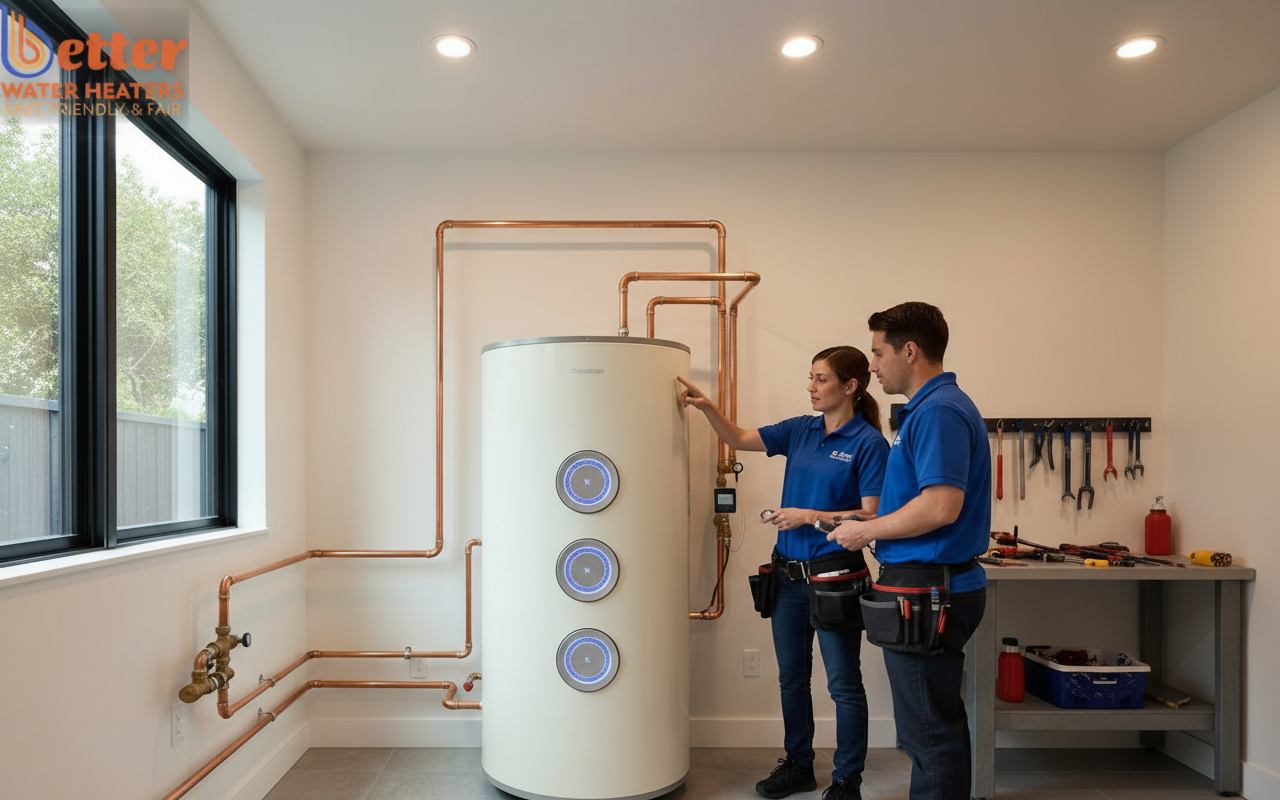
For our clients in the East Bay hills or the Peninsula, we often recommend a hybrid approach. This might involve a primary Heat Pump Water Heater (HPWH) paired with a secondary storage solution or a tankless booster. This setup ensures that if one heating element fails, you aren’t left with a cold house and a cancelled Zoom call.
Consider the benefits of hardware-level water heater redundancy:
- Thermal Storage: Large tanks act as a battery, holding heat even during short power flickers.
- Load Shifting: Modern systems can pre-heat water during off-peak hours, saving money while you work.
- Decarbonization: Aligning with Energy.gov standards and local 2027 zero-NOx requirements.
In our work with Series B SaaS founders, we’ve found that the cost of one lost day of productivity often exceeds the entire price difference between a standard tank and a redundant hybrid system. It’s an insurance policy for your time.
Tier 2: Operational Redundancy with Leak Detection Systems
Operational redundancy is about maintaining system visibility and preventing a small leak from becoming a five-figure flooring claim. Integrating leak detection systems into your smart home ecosystem is the most overlooked aspect of home office infrastructure today.
The real kicker? A pinhole leak in a copper pipe can release hundreds of gallons of water before you notice a damp carpet in the hallway. By the time the drywall is soaked, your office is a construction zone for three weeks.
A robust Tier 2 setup includes:
- Smart Shut-off Valves: Devices like the Flo by Moen or Phyn that kill the water main if an anomaly is detected.
- Tankless Water Heater Backup Power: Utilizing a dedicated UPS or integrating with a Tesla Powerwall to ensure ignition during a PSPS event.
- Seismic Actuated Valves: Essential for Bay Area safety compliance to prevent water damage following a tremor.
Here’s the thing: most “smart” homes have smart lights and thermostats, but they lack the one sensor that protects the home’s most expensive assets. If you’re building out a high-end home office, a leak detection system is as vital as your mesh Wi-Fi. Need to see how these systems fit your floor plan? Schedule a free site assessment with our experts.
Tier 3: Service Redundancy and Priority Maintenance
Service redundancy ensures that when the hardware fails—and eventually, all mechanical systems do—you aren’t at the bottom of a two-week waiting list. In the high-density Bay Area market, finding a qualified technician on a Monday morning is notoriously difficult.
What we call “Service Redundancy” involves a formal maintenance agreement that guarantees priority response times. For a typical Bay Area mid-market professional, this is the difference between a four-hour fix and a four-day nightmare.
Effective service redundancy includes:
- Annual Descaling: Especially critical for tankless systems in hard-water areas like San Jose and Fremont.
- Anode Rod Inspection: Doubling the life of a standard tank for less than the cost of a nice dinner in Palo Alto.
- Verified Permit Handling: Ensuring all work is compliant with PG&E’s safety standards and local building codes.
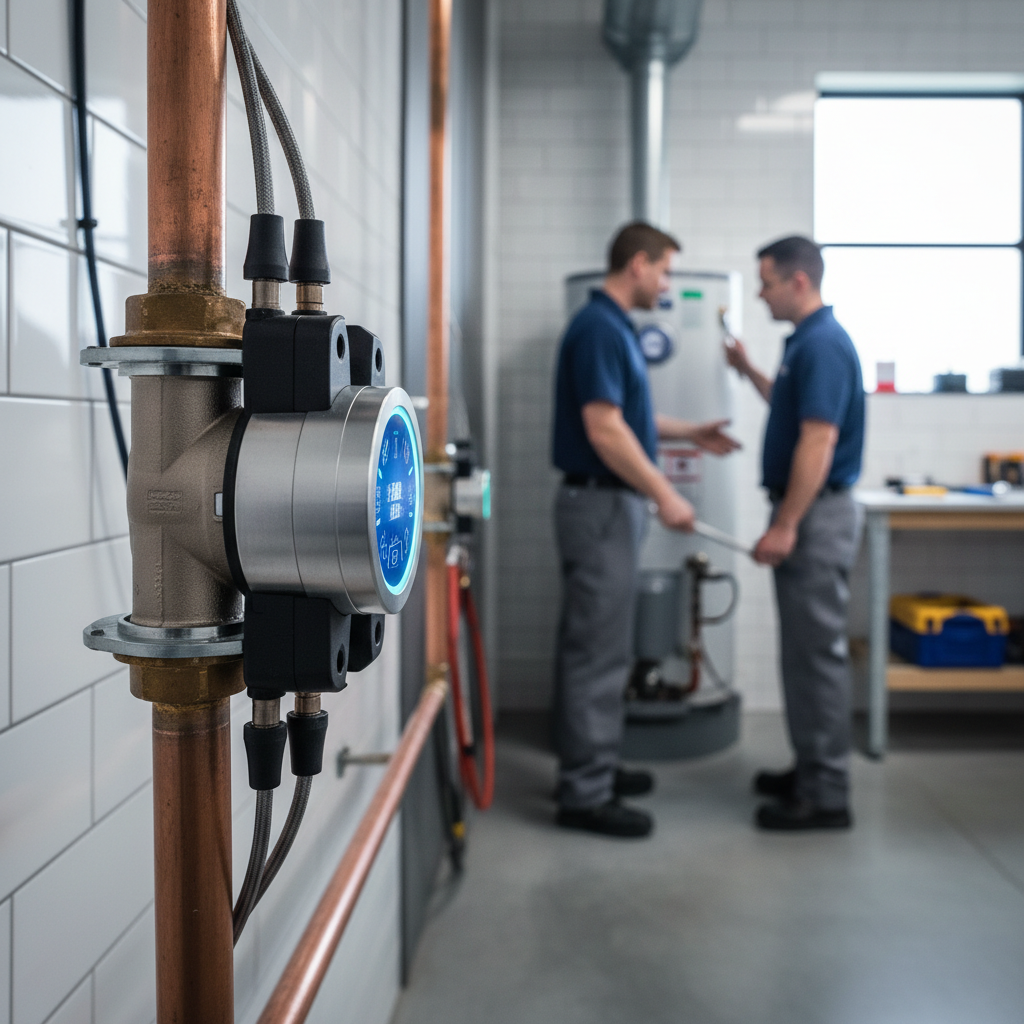
But wait—don’t fall for the “extended warranty” trap. You don’t need a 10-year paper promise; you need a relationship with a team that stocks the parts for your specific Rinnai or Rheem model. That is true operational security.
The Intersection of Resilience and Bay Area Heat Pump Rebates
Transitioning to a resilient home office infrastructure is currently subsidized at an unprecedented level. Through programs like TECH Clean California and Peninsula Clean Energy, homeowners can access Bay Area heat pump rebates that significantly offset the cost of redundancy.
| Program Source | Potential Incentive | Eligibility Focus |
|---|---|---|
| TECH Clean California | Up to $3,100 | Heat Pump Installation |
| Federal Tax Credit (25C) | Up to $2,000 | Energy Efficiency Upgrades |
| Bay Area Local Utilities | $500 – $1,000 | Varies by City (e.g., Palo Alto, San Jose) |
The real value play here is using these rebates to fund the “redundancy” portion of your system. Instead of just replacing like-for-like, you use the state’s money to upgrade to a grid-integrated, smart-monitored system that protects your workspace.
At Better Water Heaters, we help our clients navigate these complex filings so the “paperwork tax” doesn’t prevent them from getting the best technology. We’ve even used Ingest.blog, our internal AI content engine, to help keep our customers informed about the rapidly changing local regulations in Santa Clara and San Mateo counties.
Seismic Safety: The Bay Area’s Unique Redundancy Requirement
In San Francisco and the surrounding Silicon Valley, redundancy isn’t just about electricity; it’s about physical stability. California plumbing code requires specific seismic strapping, but for a home office to be truly “zero-downtime,” we recommend going beyond the minimum.
What most people miss is that a heavy, unrestrained water heater is a 400-pound wrecking ball during a significant quake. If it tips, it don’t just lose hot water—it shears the gas line and the water main, leading to fire and flood risks simultaneously. Tier 1 redundancy must include heavy-duty, multi-point bracing to ensure the unit remains upright and functional after the shaking stops.
Ready to bulletproof your home? Get a custom redundancy quote today and ensure your work-from-home setup is truly resilient.
Frequently Asked Questions
How does a leak detection system protect my home office?
A leak detection system uses sensors placed near water-heavy appliances and a central shut-off valve on your main line. If a leak is detected—such as a failing water heater tank—the system automatically cuts the water supply and sends an alert to your phone, preventing the flooding that would otherwise destroy office equipment and flooring.
Can I run my tankless water heater during a PG&E power outage?
Standard tankless water heaters require electricity to ignite the gas burner and operate the control board. For true redundancy, you should install a dedicated battery backup or a small UPS (Uninterruptible Power Supply) that can provide the 120V power needed to maintain hot water during a PSPS event or local outage.
What are the current Bay Area heat pump rebates for 2024-2025?
Bay Area residents can currently stack multiple incentives, including up to $3,100 from TECH Clean California and a $2,000 federal tax credit. Local providers like Peninsula Clean Energy or Silicon Valley Clean Energy often offer additional rebates ranging from $500 to $1,500 depending on your specific city and existing setup.
Why is ‘service redundancy’ important for remote workers?
Service redundancy means having a priority service agreement with a local specialist. For remote workers, a water heater failure is a business disruption. A priority agreement ensures you get same-day diagnostic and repair services, bypassing the standard 48-72 hour wait times common during peak seasons in the Bay Area.
Does redundancy help with the 2027 gas water heater regulations?
Yes. By moving to a redundant or hybrid system now, you are future-proofing your home against upcoming BAAQMD regulations that will phase out the sale of traditional natural gas water heaters. Investing in heat pump technology today ensures you aren’t forced into an emergency, high-cost replacement when the new laws take full effect.