
📋 Table of Contents
According to the Bay Area Air Quality Management District (BAAQMD), water heaters and furnaces account for roughly 90% of NOx emissions from local buildings. To combat this, the board recently voted to implement 2027 gas water heater regulations that effectively ban the sale and installation of traditional natural gas water heaters in favor of zero-emission electric alternatives.
For the average homeowner in San Jose or Walnut Creek, this isn’t just an environmental shift; it is a complex infrastructure challenge that could cost thousands extra if left until the last minute. If your water heater fails on a Tuesday morning in 2028, you won’t have the luxury of waiting weeks for an electrical panel upgrade—you’ll be forced into an emergency retrofit at peak labor rates. Our 3-stage transition framework is designed to help you move toward BAAQMD compliance strategically, ensuring you capture maximum rebates while your current system still has life left.
Stage 1: The Infrastructure Audit & Electrical Readiness
The real bottleneck in the Bay Area electrification movement isn’t the availability of hardware; it’s the 100-amp electrical panel sitting in your garage right now.
Most homes built between 1950 and 1990 were not designed for the high-amperage demands of modern heat pump technology alongside EV chargers and induction stoves. What most people miss: a standard heat pump water heater (HPWH) typically requires a dedicated 30-amp, 240-volt circuit. If your panel is already at capacity, you’re looking at a $3,000 to $5,000 panel upgrade before the first drop of water is even heated. In our work with established homeowners in Santa Clara County, we’ve found that early load calculations can save nearly 40% on total project costs by identifying workarounds like circuit-sharing devices or low-voltage HPWH models.
- Perform a Load Calculation: Hire an expert to determine if your current panel can handle a 240V circuit.
- Assess Physical Space: Heat pump units need roughly 700 to 1,000 cubic feet of air space to breathe and operate efficiently.
- Check Your Venting: Since you’ll be abandoning your gas flue, you’ll need to plan for how to seal that roof or wall penetration properly.
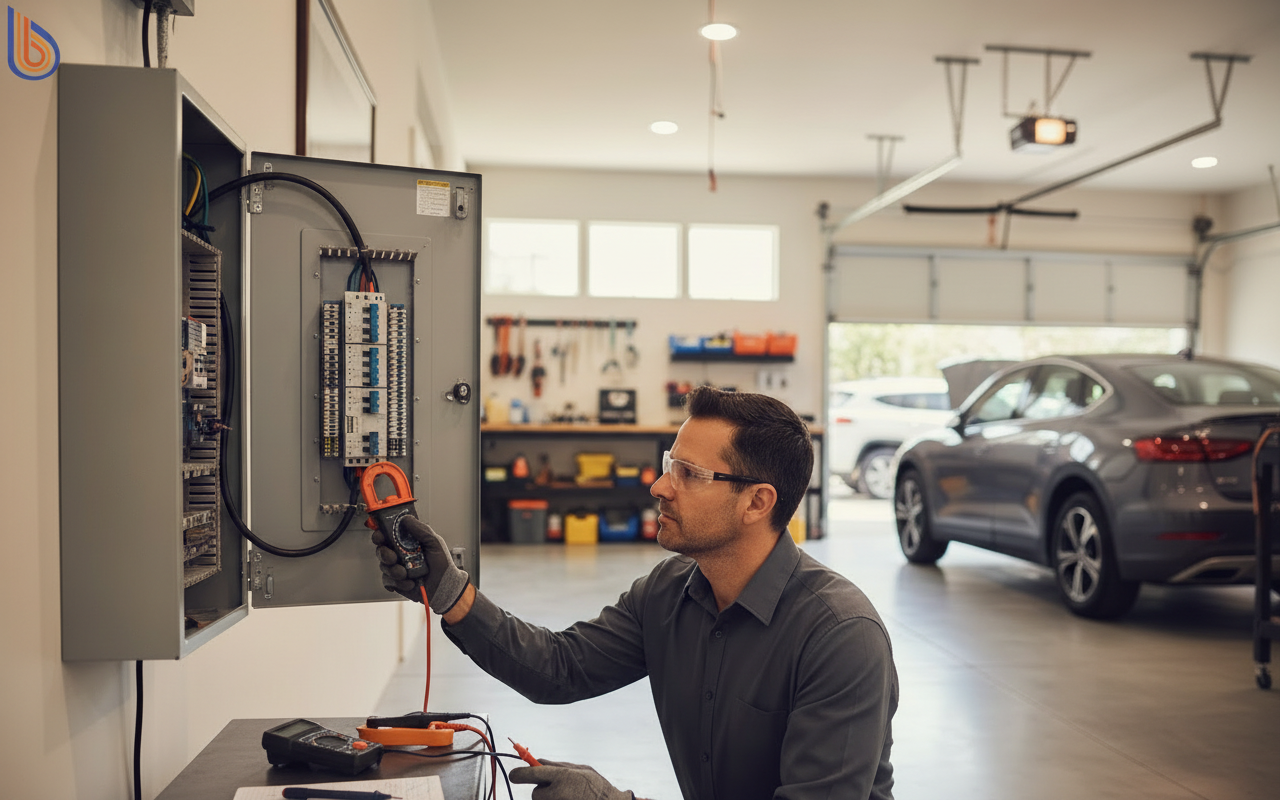
Navigating the Panel Upgrade Dilemma
Here’s the thing: you might not actually need a full 200-amp service upgrade. Modern “smart” electrical panels or simple sub-panels can often manage the load, but these require specialized permitting. According to Energy.gov, heat pump technology is up to 3x more efficient than electric resistance heating, but it requires that initial electrical “handshake” to work. Don’t wait for your gas tank to leak to find out your panel can’t handle the future.
Stage 2: Financial Optimization & Rebate Seeding
The goal of this stage is to ensure you never pay full price for a transition mandated by Bay Area zero-emission mandates.
Currently, the “rebate stack” in California is at an all-time high, but these funds are finite and often fluctuate based on state budget cycles. By “seeding” your project now—meaning getting your quotes and rebate applications in the queue—you can lock in thousands of dollars in savings. For a typical Bay Area mid-market client, we often see a combination of federal tax credits, state incentives, and local utility rebates that cover over 50% of the total installation cost.
| Incentive Source | Estimated Value | Requirement |
|---|---|---|
| TECH Clean California | $1,000 – $3,100 | Professional Installation |
| Federal Tax Credit (25C) | Up to $2,000 | Energy Star Certified |
| BayREN / Local Utility | $300 – $1,000 | Varies by County |
But wait—rebates aren’t just “free money”; they are administrative hurdles. Many programs require pre-approval before the old unit is hauled away. If you’re in a rush because your basement is flooding, you will likely miss the window for these heat pump water heater incentives. We recommend starting the paperwork when your gas heater hits the 8-year mark.
Need help navigating the complex rebate landscape? Contact Better Water Heaters for a free rebate assessment today.
Stage 3: Strategic Installation & BAAQMD Compliance
The final stage is the physical transition, which must be timed to avoid the “Last Gas Heater” trap.
The real kicker? Some homeowners are rushing to install one final high-efficiency gas unit before 2027 to delay electrification by another 12 years. While legal, this is often a short-sighted financial move. As the Bay Area moves toward total decarbonization, the cost of natural gas is projected to rise as the infrastructure scales down, while electric rates are increasingly offset by home solar and battery storage. In our work with tech-forward entrepreneurs, we see a clear trend: they aren’t just installing a heater; they are integrating it into a Virtual Power Plant (VPP) ecosystem to sell energy back to the grid during peak hours.
- Choose the Right Technology: Decide between a split-system heat pump (quietest) or an integrated unit (easiest to install).
- Address Noise Concerns: Heat pumps have compressors; proper vibration pads and location choices are vital for indoor closets.
- Permitting Perfection: Ensure your installer handles the Title 24 compliance and local city permits to protect your home’s resale value.
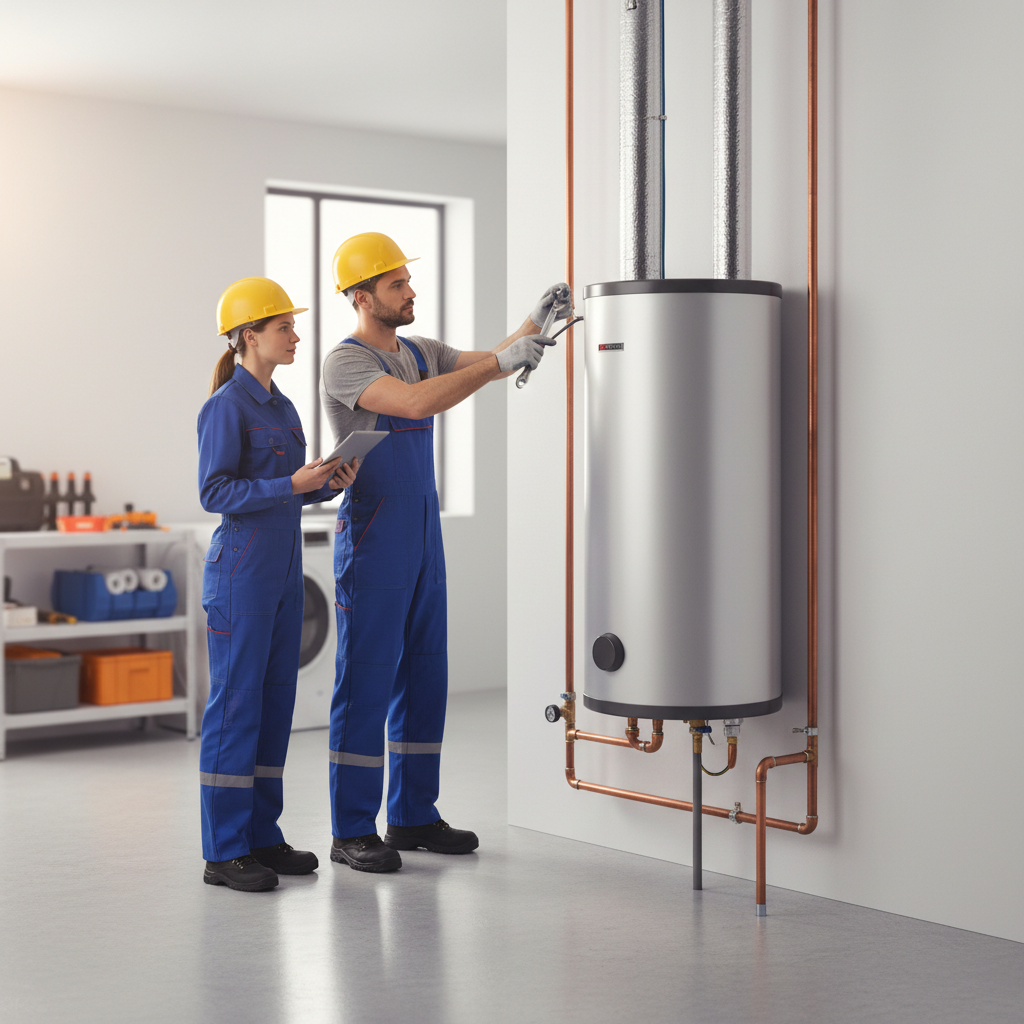
The Emergency Replacement Dilemma
What happens if your gas heater fails in 2028? Under the 2027 gas water heater regulations, contractors will be prohibited from replacing it with another gas model. If you haven’t done Stage 1 (Electrical Readiness), you could be without hot water for 7-10 days while waiting for an electrician and a city inspector. This is the “compliance crisis” we want you to avoid. Proactive installation allows you to schedule the work on your terms, not the tank’s terms.
Why the Bay Area Zero-Emission Mandates Matter Now
The Bay Area zero-emission mandates are some of the strictest in the nation, but they align with California’s broader goal of carbon neutrality by 2045. According to the BAAQMD, these rules will prevent an estimated 15,000 tons of NOx emissions annually. For homeowners, this means cleaner indoor air and a home that is ready for the next generation of energy standards.
One honest, contrarian insight: Heat pumps are not a “drop-in” replacement. They change how your home sounds and how your garage stays cool (they exhaust cool air). If a contractor tells you it’s a simple one-for-one swap, they aren’t being honest about the physics. You need a specialist who understands the nuances of airflow and condensate drainage.
Ready to start your Stage 1 audit? Schedule a consultation with our Bay Area specialists to future-proof your home before the 2027 deadline hits.
Frequently Asked Questions
How do the 2027 gas water heater regulations affect my current unit?
The regulations do not require you to rip out a working gas water heater. You can continue to use your existing unit until it fails or needs replacement. However, starting in 2027, you will not be able to purchase or install a new gas-fired tank in the Bay Area.
Will I be forced to upgrade my electrical panel for BAAQMD compliance?
Not necessarily, but it is likely. Most heat pump water heaters require a 240V circuit. While some “plug-in” 120V models are entering the market, they often have slower recovery times. A professional load calculation is the only way to know for sure if your panel is ready.
Are there enough rebates to cover the cost of a heat pump?
While rebates rarely cover 100% of the cost, they can significantly bridge the gap. Between TECH Clean California, federal tax credits, and local utility programs, many homeowners see $3,000 to $5,000 in total incentives, making the net cost comparable to a high-end gas installation.
What is the difference between a zero-NOx and a zero-emission water heater?
Zero-NOx usually refers to ultra-clean gas combustion, while zero-emission (the 2027 standard) refers to electric units like heat pumps that produce no localized exhaust. The BAAQMD mandate specifically pushes for the latter to eliminate combustion entirely from the home.
Can I still get a gas water heater if I live outside the Bay Area?
These specific rules currently apply to the nine counties under BAAQMD jurisdiction. However, other California air districts are considering similar mandates, and the state’s Title 24 building codes are already heavily incentivizing electric options for new construction and major renovations.
The transition to zero-emission technology is inevitable, but it doesn’t have to be stressful. By following this 3-stage framework—Audit, Optimize, and Install—you can turn a regulatory hurdle into a strategic home upgrade. This week, take ten minutes to look at your electrical panel and locate your water heater’s manufacture date. That small step is the beginning of a much smoother 2027.