Water heater article archive
2027 Gas Water Heater Ban: Strategic Bay Area Guide | Better Water Heaters
Historical article, not newly reviewed advice. Verify current requirements, incentives and model guidance with the relevant authority or manufacturer before relying on them. Equipment and service needs require an assessment.
📋 Table of Contents
The 2027 gas water heater ban is no longer a distant regulatory concept; it is a fast-approaching reality for every homeowner in the nine-county Bay Area. As the Bay Area Air Quality Management District (BAAQMD) moves to eliminate nitrogen oxide (NOx) emissions from residential buildings, the window to replace aging gas units with traditional technology is closing. For sophisticated homeowners, this shift represents more than an environmental mandate—it is a critical exercise in regulatory risk management and asset protection.
Strategic property owners are already initiating the Bay Area heat pump transition to avoid the inevitable labor shortages and equipment price hikes forecasted for 2026. By understanding the nuances of BAAQMD Regulation 9, Rule 4, you can transform a mandatory compliance headache into a high-ROI home improvement project. This guide breaks down the financial, technical, and logistical reasons why waiting until your current heater fails in 2027 could be a six-figure mistake for your property portfolio.
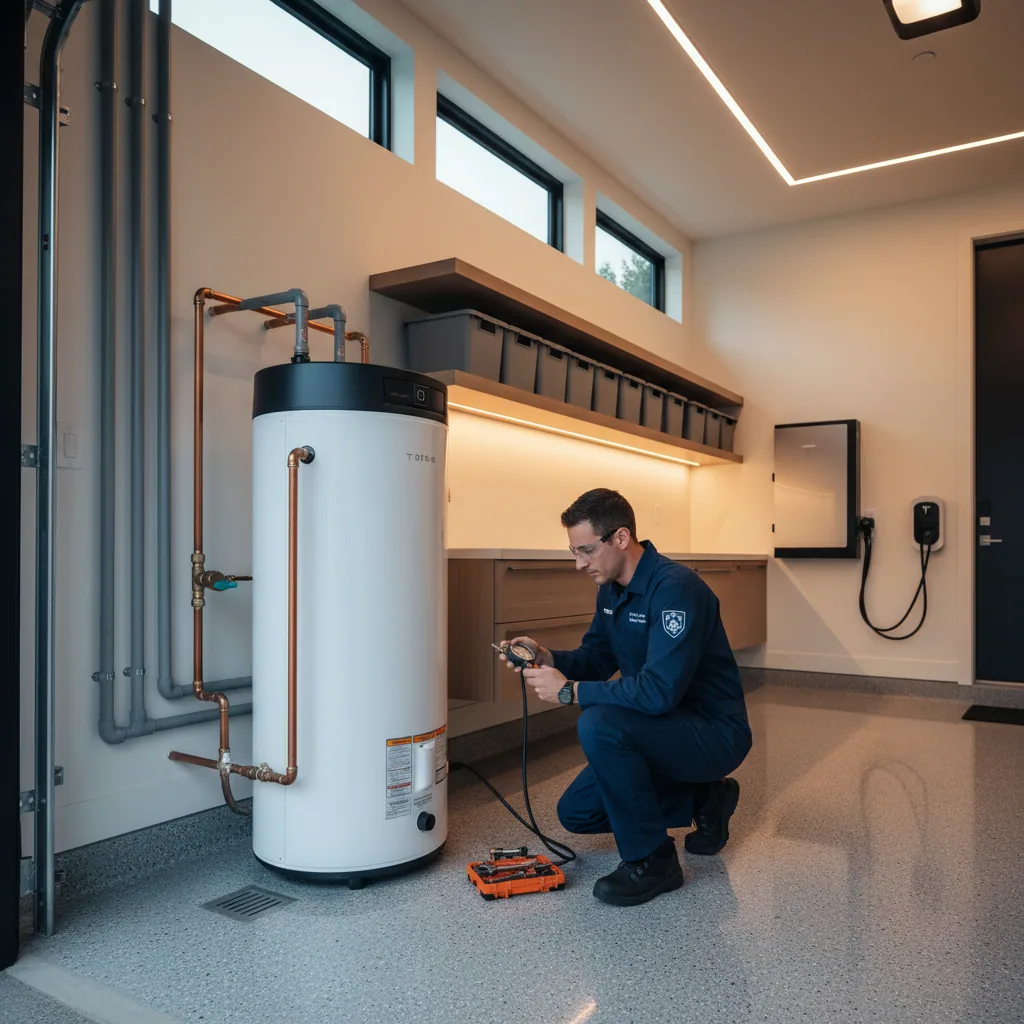
Understanding BAAQMD Regulations and the 2027 Gas Water Heater Ban
The core of this transition lies in the BAAQMD’s commitment to public health and decarbonization. Specifically, the district has mandated a phase-out of natural gas-fired water heaters to reduce smog-forming pollutants. Here is what you need to know about the timeline:
- 2027 Deadline: Starting in 2027, all new water heaters sold and installed in the Bay Area must meet a "zero-NOx" standard, effectively mandating electric heat pump technology for most residential applications.
- Scope of Impact: This rule applies to single-family homes and small multi-family properties first, with larger commercial units following in 2031.
- No "Grandfathering" for Replacements: While you don't have to rip out a working unit, you cannot legally replace a broken gas heater with another gas model after the deadline.
Consequently, the "emergency replacement" dilemma is the greatest risk facing residents. If your water heater fails in mid-2027, you will not have the luxury of shopping for quotes or waiting for electrical upgrades. You will be forced into a heat pump installation during a period of peak demand, likely paying a premium for both hardware and scarce labor.
The Economic Reality: 10-Year Total Cost of Ownership
When evaluating the 2027 gas water heater ban, looking only at the upfront sticker price is a tactical error. In high-cost utility markets like San Francisco and San Jose, the long-term savings of heat pumps are substantial. According to ENERGY STAR, heat pump water heaters are up to 4x more efficient than gas alternatives.
| Feature | Standard Gas Tank | Heat Pump (HPWH) |
|---|---|---|
| Annual Operating Cost | $600 - $800 | $150 - $250 |
| Expected Lifespan | 8 - 12 Years | 13 - 15 Years |
| Available Rebates | None | Up to $4,900+ |
| 2027 Compliance | Non-Compliant | Fully Compliant |
Why Early Adoption Before the 2027 Gas Water Heater Ban Is Profitable
Furthermore, the current incentive landscape in California is unprecedented, but it is not permanent. Programs like TECH Clean California are funded by limited state budgets that often fluctuate or expire as adoption goals are met.
By acting now, homeowners can stack multiple layers of financial incentives:
- Federal Tax Credits: Under the Inflation Reduction Act (25C), you can claim 30% of the project cost, up to $2,000 annually.
- State Rebates: TECH Clean California offers significant point-of-sale discounts through certified heat pump water heater installers in San Jose and surrounding cities.
- Local Utility Bonuses: Providers like Peninsula Clean Energy, Silicon Valley Clean Energy (SVCE), and Ava Community Energy offer additional local kickbacks ranging from $1,000 to $2,500.
In many cases, these combined incentives can cover 60-80% of the total installation cost. However, as the 2027 deadline nears, these "early bird" incentives are expected to diminish as the state shifts from encouraging adoption to enforcing compliance.

The Hidden Logistical Bottleneck: Panels, Permits, and Labor
One of the most significant challenges of the Bay Area heat pump transition is the electrical requirement. Most older Bay Area homes have 100-amp or 125-amp electrical panels that may not have the capacity for a traditional 240V heat pump. Waiting until 2027 means you might also be waiting weeks for an electrician to perform a panel upgrade.
Strategic solutions for the electrical hurdle include:
- 120V 'Plug-In' Models: New technology from brands like Rheem allows for "plug-and-play" installation into standard outlets, bypassing the need for a panel upgrade.
- Load Management Devices: Smart circuit splitters can prioritize power between your water heater and EV charger or dryer.
- Pre-emptive Upgrades: Upgrading your panel now ensures your home is ready for the 2027 gas water heater ban and future electrification needs like HVAC or induction cooking.
Moreover, the demand for qualified heat pump water heater installers in San Jose and San Mateo is already rising. As we approach 2027, the labor rate for plumbing and electrical work is projected to spike by 25-40% due to the sheer volume of emergency replacements required by the BAAQMD regulations.
Beyond Compliance: The Lifestyle Benefits of Heat Pumps
While the 2027 gas water heater ban is the primary driver for change, the technology offers immediate quality-of-life improvements. For instance, heat pumps act as a built-in dehumidifier. In damp Bay Area microclimates like the Sunset District or Oakland Hills, installing a heat pump in a basement or garage can significantly reduce moisture and prevent mold growth.
Key lifestyle advantages include:
- Enhanced Safety: Eliminating gas lines removes the risk of carbon monoxide leaks and fire hazards during seismic events.
- Smart Home Integration: Most modern units feature Wi-Fi connectivity, allowing you to track energy usage and adjust temperatures via smartphone.
- Real Estate Value: Future-proofing your home now increases its appeal to eco-conscious buyers who are wary of the 2027 gas water heater ban.
How to Start Your Bay Area Heat Pump Transition
Navigating the transition requires a structured approach. At Better Water Heaters, we recommend a three-step audit for every Bay Area homeowner. First, check your current unit's age; if it is over 8 years old, it is in the "red zone" for failure. Second, inspect your electrical panel to determine if you need a 120V or 240V solution. Third, consult with a specialist to map out the available MCE or local rebates.
Don't let the 2027 gas water heater ban catch you off guard. By taking a proactive stance today, you secure the best equipment, the highest rebates, and the peace of mind that comes with a future-proofed home. Our team of experts is ready to help you navigate the BAAQMD regulations and maximize your investment.
Frequently Asked Questions About the 2027 Ban
Is it illegal to have a gas water heater after 2027?
No, it is not illegal to own or operate an existing gas water heater after 2027. The 2027 gas water heater ban specifically prohibits the sale and installation of new non-compliant gas units. You can keep your current heater until it fails, but your next replacement must be a zero-NOx model, such as a heat pump.
Will the 2027 gas water heater ban increase my electricity bill?
While you will see an increase in electrical consumption, your overall energy bill typically decreases. Heat pumps are significantly more efficient than gas heaters. When combined with Bay Area Time-of-Use (TOU) rates and the elimination of gas delivery fees, most homeowners see a net reduction in monthly utility costs.
What happens if my gas water heater breaks in 2028?
If your unit fails after the BAAQMD regulations take effect, you will be legally required to replace it with a zero-NOx heat pump. This is why we recommend early replacement; avoiding an emergency situation allows you to plan for necessary electrical work and secure the best available rebates without the pressure of a cold shower.
Are there rebates for heat pump water heaters in the Bay Area right now?
Yes, there are currently several layers of incentives. You can access up to $2,000 in federal tax credits and thousands more through TECH Clean California rebates and local utility programs. Total savings can exceed $4,900, but these funds are first-come, first-served and may decrease as we approach the 2027 deadline.
Ready to secure your home's future? Contact Better Water Heaters today for a professional consultation and rebate assessment.