Water heater article archive
2027 Gas Phase-Out: Strategic Guide for Bay Area Homeowners
Historical article, not newly reviewed advice. Verify current requirements, incentives and model guidance with the relevant authority or manufacturer before relying on them. Equipment and service needs require an assessment.
📋 Table of Contents
Key Takeaways:
- The 2027 gas phase-out mandated by BAAQMD will prohibit the sale of gas water heaters in the Bay Area.
- Homeowners can currently access up to $4,900 in stacked rebates and tax credits.
- Waiting until an emergency failure in 2027 could lead to weeks without hot water due to electrical permitting delays.
- Proactive conversion to heat pump technology offers the highest ROI and grid resilience.
The 2027 gas phase-out is no longer a distant regulatory concept; it is a fast-approaching reality that will fundamentally change home maintenance for millions of residents in San Jose, San Francisco, and Oakland. As the Bay Area Air Quality Management District (BAAQMD) moves to eliminate nitrogen oxide (NOx) emissions from residential buildings, the window to replace aging gas units with traditional technology is closing. For sophisticated homeowners, the shift represents both a logistical challenge and a significant financial opportunity if managed strategically.
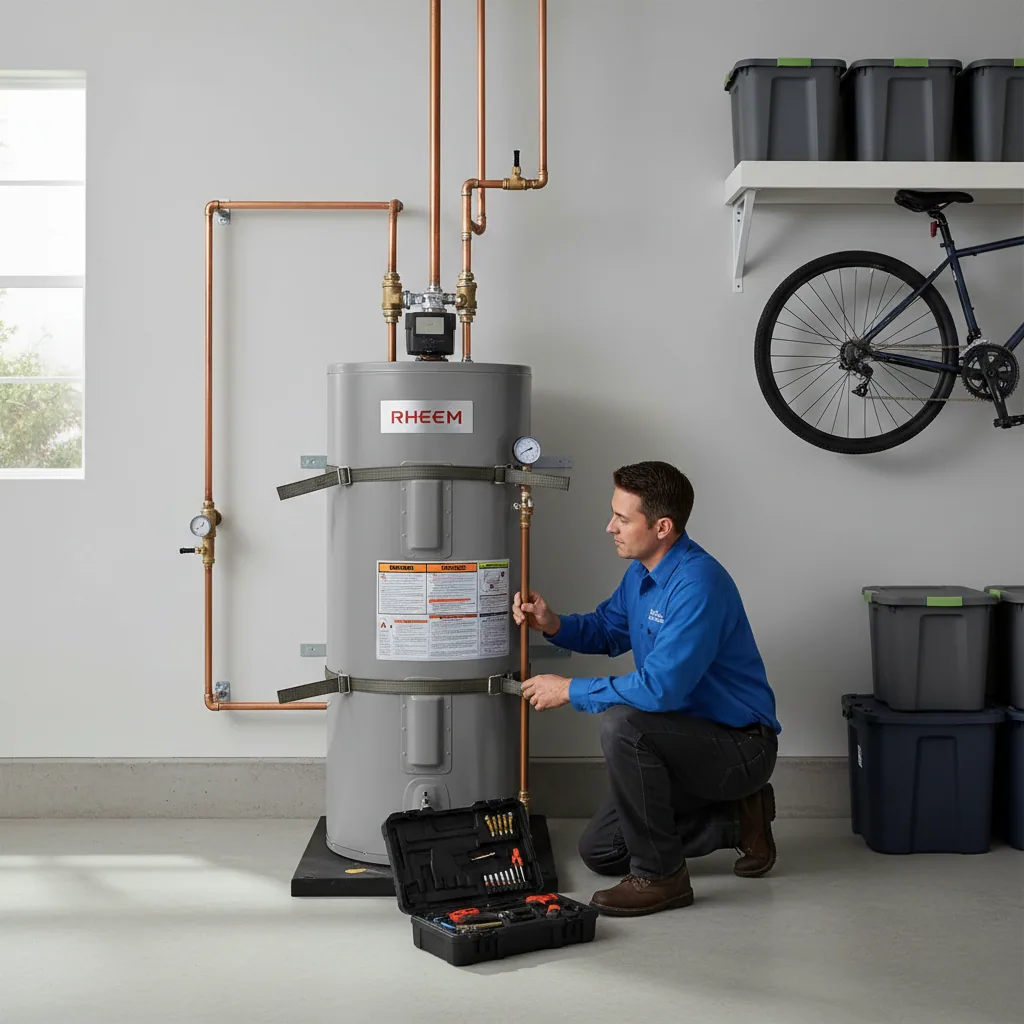
Furthermore, understanding these regulations is critical for maintaining property value and ensuring operational continuity. At Better Water Heaters, we are seeing a surge in proactive installations as savvy residents realize that the 'cost of waiting' far outweighs the initial investment of a modern heat pump system.
Understanding BAAQMD Rule 9-6 and the 2027 Gas Phase-Out
The primary driver behind this transition is the BAAQMD’s adoption of amendments to Rules 9-4 and 9-6. These regulations are designed to reduce smog-forming pollutants by transitioning the region to zero-emission appliances. According to the BAAQMD official guidelines, the phase-out follows a strict timeline based on appliance size and type.
Specifically, the mandate focuses on the following milestones:
- 2027: The sale and installation of new natural gas-fired water heaters (under 75,000 BTU) will be prohibited.
- 2029: The ban extends to residential central gas furnaces.
- Compliance: Only "zero-NOx" (electric/heat pump) units will be legal for new installations after these dates.
- Inventory Risk: As the deadline nears, local suppliers will cease stocking gas units to avoid stranded inventory.
Consequently, homeowners who experience a water heater failure on January 1, 2027, will find it legally impossible to purchase a direct gas replacement. This transition mirrors the broader California move toward decarbonization, as outlined by researchers at The California Energy Commission.
The 'Emergency Replacement' Trap: Why Waiting Is Expensive
Most homeowners wait for their water heater to leak before calling a professional. However, under the 2027 gas phase-out framework, this reactive strategy is a recipe for disaster. Converting from gas to electric is rarely a 'plug-and-play' process; it often requires significant electrical infrastructure upgrades.
Consider the following logistical hurdles that arise during a forced 2027 replacement:
- Electrical Panel Capacity: Most gas water heaters require only a standard 120v outlet for the blower (if any), while heat pumps usually require a 240v dedicated circuit.
- Permitting Delays: In cities like Palo Alto or Fremont, obtaining an electrical permit for a panel upgrade can take 2 to 4 weeks.
- Labor Shortages: As thousands of residents rush to comply simultaneously, the demand for qualified electricians and water heater specialists will skyrocket labor costs.
- Supply Chain Squeeze: High demand for heat pump units may lead to backorders, leaving your family without hot water for extended periods.

Cost Comparison: Proactive vs. Emergency Replacement
| Factor | Proactive (2024-2025) | Emergency (Post-2027) |
|---|---|---|
| Equipment Availability | High - All Models in Stock | Low - Potential Backorders |
| Labor Costs | Standard Market Rates | Premium 'Rush' Rates |
| Rebates/Incentives | Up to $4,900+ Available | Uncertain/Diminishing |
| Permit Timeline | Planned (No Stress) | Weeks of Cold Showers |
Maximizing ROI with Heat Pump Water Heater Rebates in California
One of the strongest arguments for acting before the 2027 gas phase-out is the current abundance of financial incentives. California is leading the nation in subsidizing the transition to electric appliances, but these funds are not infinite. By stacking local, state, and federal programs, Bay Area residents can offset a massive portion of the installation cost.
Current incentive programs available to our clients include:
- TECH Clean California: Offers substantial rebates specifically for heat pump water heater (HPWH) conversions.
- Federal Tax Credits (HEEHRA): Under the Inflation Reduction Act, homeowners can claim up to 30% of the project cost (capped at $2,000) as a tax credit.
- Local Utility Rebates: Providers like Silicon Valley Clean Energy (SVCE) and Peninsula Clean Energy offer additional 'stackable' incentives for their customers.
- BayREN: Provides rebates for energy efficiency upgrades that often include water heating.
Moreover, these incentives are designed to encourage early adoption. As the 2027 mandate becomes mandatory, many of these 'carrots' will be removed, leaving only the 'stick' of regulation. We recommend consulting with a rebate specialist at Better Water Heaters to ensure you don't leave money on the table.
Strategic Advantages of the Hybrid Heat Pump in the Bay Area
Sophisticated homeowners often ask if electric systems can match the performance of gas. The answer lies in modern Hybrid Heat Pump technology. Unlike traditional electric resistance heaters, heat pumps move heat rather than generating it, making them up to 400% efficient. In the Bay Area’s moderate climate, these systems perform exceptionally well.
Key benefits of the hybrid approach include:
- Energy Savings: According to ENERGY STAR, a heat pump can save a family of four approximately $500 per year on utility bills.
- Microclimate Adaptability: Whether you live in the foggy hills of Pacifica or the heat of Livermore, hybrid units can switch between heat pump and electric modes to ensure consistent hot water.
- Grid Resilience: Many modern units are 'smart-grid' ready, allowing you to heat water during off-peak hours when electricity is cheapest.
- Environmental Impact: Switching to a zero-emission unit is the equivalent of taking a car off the road for a year.
Additionally, for homes with solar installations, the 2027 gas phase-out provides the perfect opportunity to further decouple your home from rising natural gas prices. By using your solar overproduction to power your water heater, you essentially turn your water tank into a thermal battery.
Navigating the Electrical Panel and Space Requirements
Transitioning away from gas isn't without its technical requirements. Because heat pumps extract heat from the surrounding air, they need adequate space and airflow. This is a critical consideration for homeowners with water heaters located in tight closets or small utility rooms.
When planning your conversion, consider these technical factors:
- Clearance: Most units require approximately 700 to 1,000 cubic feet of surrounding air space, though many can be ducted if space is limited.
- Condensate Drainage: Heat pumps produce condensation (like an AC unit), which must be properly drained or pumped out.
- Panel Upgrades: If your home still has a 100-amp service, you may need to upgrade to a 200-amp panel to handle the additional electric load.
- Noise Levels: Modern units are quiet, but they do have a fan. Placement near bedrooms should be carefully considered.
Consequently, we advise a professional site assessment well in advance of the 2027 gas phase-out. Our team specializes in 'condo conundrums' and tight-space installations that others might turn down.
Conclusion: The Proactive Path Forward
The 2027 gas phase-out represents a major shift in how the Bay Area functions, but it doesn't have to be a source of stress. By viewing this regulation as a prompt to upgrade to superior technology, you can enjoy lower energy bills, a smaller carbon footprint, and the peace of mind that comes with a new, reliable system.
Don't wait for the 2027 inventory crunch or the expiration of current rebates. Contact the experts at Better Water Heaters today for a comprehensive home assessment and a clear roadmap to a zero-emission future. Our 20+ years of local expertise ensures your installation meets all BAAQMD requirements and maximizes every available dollar in incentives.
Frequently Asked Questions
Will I be forced to replace my working gas water heater in 2027?
No, the BAAQMD regulation is a "point of sale" mandate. You are not required to rip out a functioning gas water heater. However, once your current unit fails after 2027, you will not be able to purchase a gas replacement. You must install a zero-emission electric or heat pump unit at that time.
How much more does a heat pump water heater cost than a gas unit?
While the upfront equipment cost for a heat pump is typically $1,500 to $2,500 higher than a gas unit, the available rebates often bridge this gap entirely. When you factor in the $2,000 federal tax credit and $3,000+ in TECH California rebates, the net cost is often lower than a traditional gas installation.
What happens if my gas water heater breaks in 2027 and my panel isn't ready?
This is the biggest risk for homeowners. If your panel cannot support an electric unit, you may face a multi-week delay while waiting for an electrician and city permits. This is why we recommend upgrading your electrical panel or installing a 120v 'plug-in' heat pump unit proactively before your gas unit fails.
Are there special discounts for seniors or military personnel?
Yes, at Better Water Heaters, we offer dedicated discounts for senior citizens and military personnel. These can often be combined with state and federal incentives to make the transition even more affordable. We are committed to ensuring our community's most valued members are prepared for the 2027 transition.