
📋 Table of Contents
According to the Bay Area Air Quality Management District (BAAQMD), nitrogen oxide emissions from water heaters and furnaces account for roughly as much pollution as all the passenger cars in the region. This startling data point is the primary driver behind the 2027 Bay Area gas-to-electric transition, a regulatory shift that will fundamentally change how we heat our water and homes.
For most homeowners, the looming 2027 deadline feels like a distant problem, but waiting until your current unit fails is a high-stakes gamble. The real kicker? A typical Bay Area home built before 1990 often lacks the electrical infrastructure to support a modern heat pump system, meaning a simple appliance swap could turn into a multi-month permitting nightmare if you don’t plan ahead.
The Reality of BAAQMD Water Heater Regulations
The core of the transition lies in BAAQMD’s Regulation 9, Rules 4 and 6, which effectively mandate a zero-NOx standard for new water heaters starting in 2027.
- 2027 Deadline: New residential water heaters sold or installed in the Bay Area must be zero-emissions (electric).
- No Forced Replacement: You do not have to rip out a working gas heater; however, when it breaks after 2027, you cannot replace it with another gas model.
- Supply Chain Shifts: Manufacturers are already pivoting production, which may lead to a scarcity of gas parts even before the official ban.
What most people miss is that this isn’t just a “California water heater ban 2027” issue—it’s a logistics challenge. If your gas heater dies in January 2028 and your electrical panel is maxed out, you could be looking at weeks of cold showers while waiting for PG&E to approve a service upgrade. We’ve seen this happen with early adopters in Palo Alto and San Jose, where municipal utility delays can stretch into months.
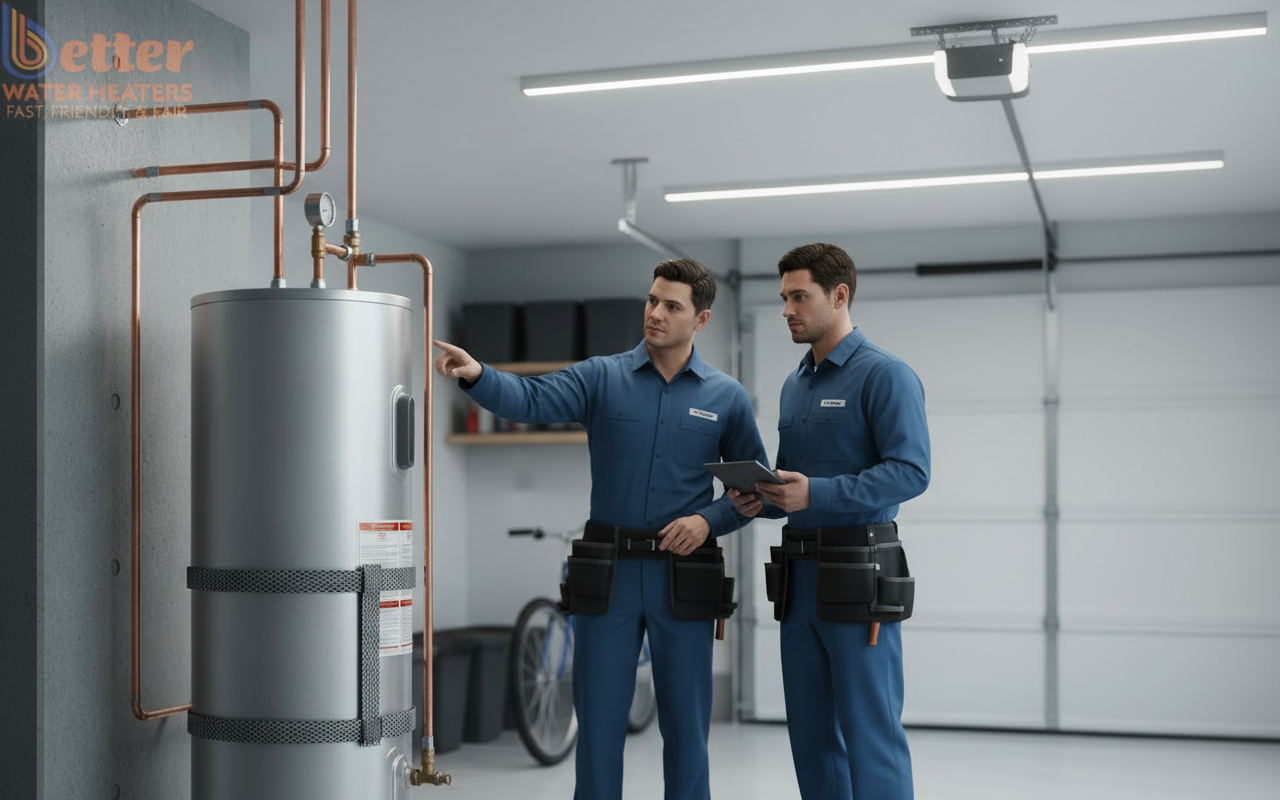
The Electrical Panel Bottleneck: Why 36 Months Matters
Your 2027 Bay Area gas-to-electric transition strategy must start with your electrical panel, not the water heater itself.
In our work with established homeowners in areas like Menlo Park and Oakland, we’ve found that roughly 60% of homes require some level of electrical remediation to support high-efficiency heat pumps. A standard gas water heater uses a tiny amount of electricity for the igniter; a heat pump requires a dedicated 240V circuit.
- Panel Capacity Audit: Determine if your current 100-amp or 125-amp panel can handle the additional load.
- PG&E Service Upgrades: If you need a 200-amp upgrade, the lead time for PG&E site visits and engineering can exceed six months.
- Load Management Tools: Technologies like smart circuit breakers or “circuit sharers” can sometimes bypass the need for a full panel upgrade, saving you upwards of $5,000.
Here’s the thing: labor costs for electricians in the Bay Area are projected to spike as 2027 approaches. By handling your panel upgrade now, you avoid the “deadline tax” that will inevitably hit in late 2026. Schedule an electrical readiness assessment today to see where your home stands.
Comparing the Financials: Gas vs. Heat Pump
While the upfront cost of a heat pump is higher, the stacking of local and federal incentives makes the transition surprisingly affordable right now.
| Feature | Standard Gas Tank | Heat Pump (HPWH) |
|---|---|---|
| Average Installed Cost | $2,500 – $3,500 | $5,000 – $8,000 |
| Federal Tax Credit (IRA) | $0 | Up to $2,000 |
| Local Rebates (TECH/BayREN) | $0 | Up to $3,100+ |
| Net Cost to Homeowner | $2,500 – $3,500 | $1,900 – $4,900 |
But wait—don’t just look at the purchase price. According to Energy.gov, heat pump water heaters are up to three times more efficient than conventional electric models. In high-utility-cost zones like the Bay Area, this can translate to $300-$500 in annual savings on your PG&E bill. For a typical Bay Area mid-market client, the break-even point is often reached within 4 to 6 years.
A 3-Year Strategic Roadmap for Bay Area Homeowners
Strategic preparedness is your best defense against the 2027 Bay Area gas-to-electric transition price hikes.
- Year 1 (Now): The Infrastructure Audit. Have an expert evaluate your current water heater’s age and your home’s electrical capacity. If your heater is 8+ years old, you are in the “replacement window.”
- Year 2: The Pre-Wiring Phase. Run the 240V circuit to your water heater closet now. This allows for an “emergency” electric install later without the delay of hiring an electrician on the spot.
- Year 3 (2026): The Rebate Sweep. Monitor the BayREN and TECH Clean California portals. Rebate pools often refresh at the start of the year and deplete by Q3.
The real kicker? If you wait until 2027, you’ll be competing with thousands of other homeowners for the same pool of certified installers. We anticipate a 20-30% increase in labor rates as the deadline nears due to simple supply and demand dynamics.
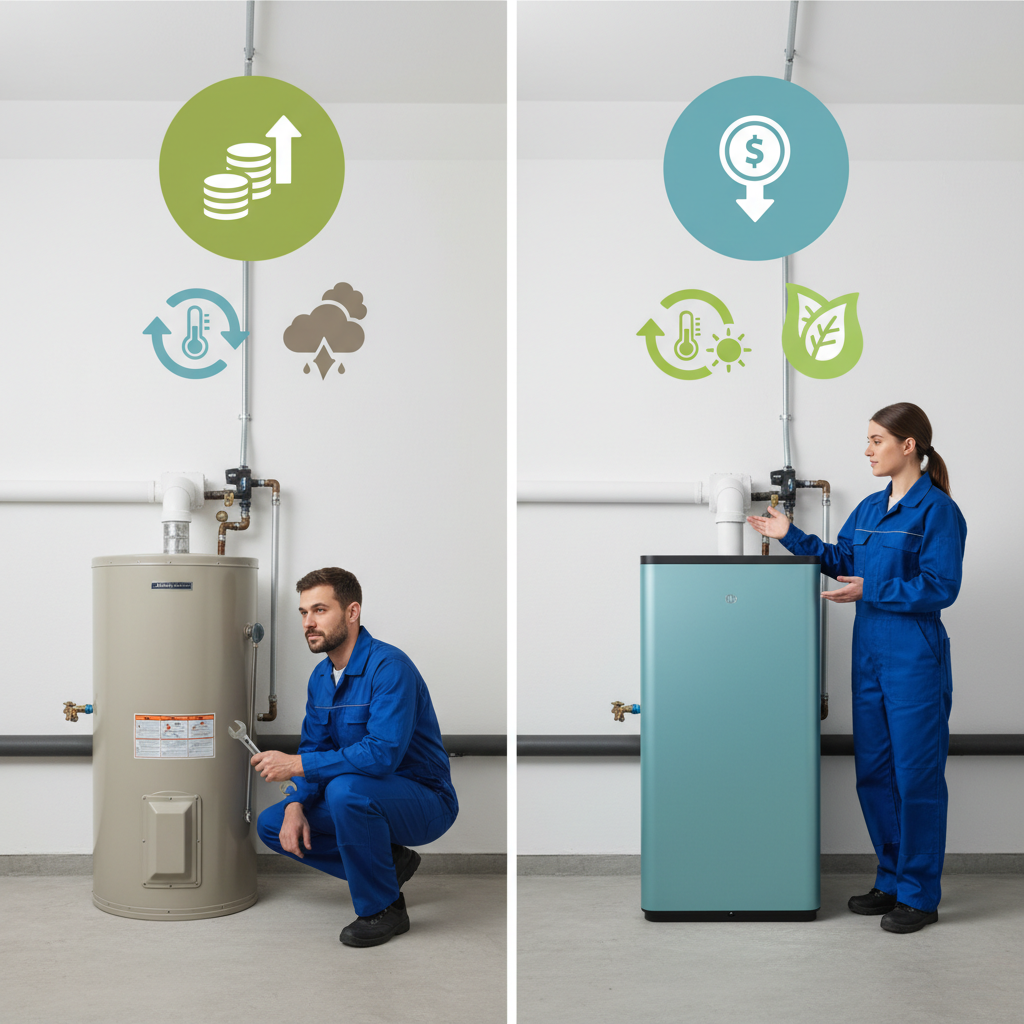
Space and Sound: Solving the Installation Puzzle
Heat pumps aren’t just a different fuel source; they are a different technology that requires air circulation and produces a slight hum.
In older San Francisco and Oakland homes where water heaters are often tucked into small closets, space constraints are a real hurdle. Heat pumps need roughly 700 to 1,000 cubic feet of air space to operate efficiently. However, we can often solve this by installing louvered doors or ducting the exhaust.
- Garage Installations: The easiest and most common path for Bay Area suburban homes.
- Interior Closets: May require sound dampening or specific ventilation strategies to prevent the “refrigerator hum” from disturbing living areas.
- Hybrid Models: Some units allow for a mix of heat pump and standard electric resistance heating for high-demand periods, though this is less efficient.
Need help navigating these technical requirements? Explore our heat pump installation guides to see how we’ve handled tricky Bay Area retrofits.
The Cost of Procrastination: The “Emergency” Scenario
Consider a scenario we see often: A homeowner ignores the 2027 Bay Area gas-to-electric transition until their gas tank bursts in mid-winter 2027.
At that point, you can no longer buy a gas unit. If you haven’t prepped your panel, you’re faced with: 1) No hot water for 2-3 weeks while waiting for an electrician and permits, or 2) Paying a massive premium for an emergency “rush” electrical job. By acting now, you control the timeline and the budget.
To help our clients stay ahead of these shifts, we use ingest.blog, our internal AI content engine, to track regulatory updates across all nine Bay Area counties in real-time. This ensures our team—and our customers—never get caught off guard by a sudden change in city-specific permit requirements or rebate availability.
Key Takeaways for This Week
- Check the manufacture date on your current water heater. If it’s over 10 years old, your transition is an urgent priority.
- Take a photo of your electrical panel and send it to us for a free remote review.
- Download the current TECH Clean California rebate schedule to see how much of your upgrade can be subsidized by the state.
Frequently Asked Questions
Will gas water heaters be illegal to own after 2027?
No, it will not be illegal to own or operate an existing gas water heater. The BAAQMD water heater regulations only apply to the sale and installation of new units. You can continue using your current gas heater until it reaches the end of its functional life, but your next unit must be electric.
How much are the total rebates for a heat pump water heater in the Bay Area?
Currently, Bay Area homeowners can stack multiple incentives. This includes up to $2,000 from federal IRA tax credits, $1,000+ from TECH Clean California, and additional amounts from local providers like BayREN or Peninsula Clean Energy. Total savings often reach between $3,000 and $4,900 depending on your location and income level.
Do I need a 200-amp panel for a heat pump water heater?
Not necessarily. While a 200-amp panel is ideal for a fully electrified home (EV charger, induction stove, HPWH), many homes can support a heat pump on a 100-amp or 125-amp panel using load-sharing devices or by optimizing existing circuits. A professional load calculation is required to be sure.
What is the lifespan of a heat pump water heater compared to gas?
A high-quality heat pump water heater typically lasts 10-15 years, which is comparable to a traditional gas tank. However, because they are more complex, annual maintenance—such as cleaning the air filter and checking the condensate drain—is critical to reaching that maximum lifespan in the Bay Area’s climate.